
Gdańsk
Eastern Europe and the Balkans · Poland
Did you know?
- Shipyard workers helped launch the Solidarity movement that challenged communist rule.
- An astronomical clock stands inside the Gothic interior of St. Mary's Church.
- St. Dominic's Fair brings an outdoor market atmosphere to the summer season.
See also

Sopot
Poland54.43°N 18.55°E
.jpg)
Gdynia
Poland54.50°N 18.53°E · 0 m

Elbląg
Poland54.17°N 19.40°E
Overview
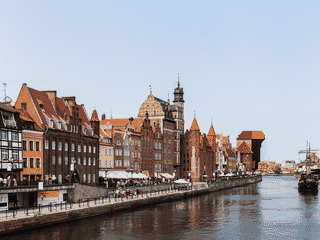
Gdańsk pairs a Baltic setting with historic streets around Długa Street and the Long Market. Its old town rewards travelers interested in architecture and leisurely walks.
Languages: Polish
Why go?
Gdańsk is a Baltic beauty with one of Europe's most photogenic old towns—Długa Street and the Long Market rival anywhere on the continent. It was the biggest, richest city in the Polish Kingdom during its Hanseatic League heyday, then nearly destroyed in World War II and rebuilt. Today it mixes restored Gothic facades with modern maritime museums and a surprising LGBTQ+-friendly atmosphere. The surrounding Tricity (Trójmiasto) area offers beaches within tram reach, making it a versatile stop for culture and coast.
Adapted from Wikivoyage contributors · CC BY-SA 4.0
Getting in
Lech Wałęsa Airport (GDN) handles international flights and is northwest of the city. Gdańsk Główny is the main railway station, a handsome 1900 building withcafés and tourist info in the main hall—be aware pickpockets are common here. Gdańsk main bus station (Dworzec PKS) sits behind the railway station; timetables can be outdated so ask inside.
Adapted from Wikivoyage contributors · CC BY-SA 4.0
Getting around
Gdańsk has an extensive tram network running through the city and connecting to Sopot and Gdynia. SKM trains run frequently between the three cities of the Tricity. For getting to places like Brzeźno beach, take tram 3 or 5 to Brzeźno Dom Zdrojowy stop.
Adapted from Wikivoyage contributors · CC BY-SA 4.0
When to go
Peak season is summer (June-August) when beaches fill and St. Dominic's Fair (mid-July to mid-August) brings medieval market vibes. May-June offers milder weather and fewer crowds. Winter is quiet with cold temperatures (-3°C to 3°C) and less tourist infrastructure open. The 'Cult' Film Festival happens in June.
Adapted from Wikivoyage contributors · CC BY-SA 4.0
Where to stay
Old Town accommodation puts you in the action but costs more; consider Gdynia or Sopot for cheaper options with fast 20-minute train connections. Budget hostels near Długi Targ include Old Town Hostel (dorms from 40 zł) and Dom Harcerza (singles 50 zł). Summer-only options include Gdańsk University of Technology dorms (50-70 zł). Midrange hotels like Qubus Hotel offer river views and free internet from 180 zł.
Adapted from Wikivoyage contributors · CC BY-SA 4.0
Food and drink
Local specialties include pierogi (dumplings) at Pierogarnia Mandu near Neptune Fountain—crowded, cheap, and good, don't order more than one portion. For home cooking, Pyra Bar (Garbary 6/7) and Dominikański (Plac Dominikański 1) serve generous portions. Gdańsk's signature drink is Goldwasser—creamy vodka with flakes of 22-23 karat gold, though it's now made in Germany. Look for cheaper local versions like Gdańska Złotówka. Brovarnia Gdańska (Szafarnia 9) makes excellent craft beer for 10 zł. Pijalnia Wodki I Piwa has communist-era decor and moves serious amounts of vodka.
Adapted from Wikivoyage contributors · CC BY-SA 4.0
Things to do
St. Mary's Church (Bazylika Mariacka) is free to enter with one of Europe's largest Gothic interiors—don't miss the 1464 astronomical clock. Climb the 78m tower for 20 zł (10 zł reduced). Artus Court shows off merchant power in the 16th-17th centuries (26 zł adults). The Crane (Żuraw) on Motława River is a medieval port crane turned maritime museum (8 zł). European Solidarity Centre documents the Solidarity movement that ended communism (35 zł) with free rooftop terrace access. Museum of the Second World War recreates 1930s Polish street scenes with a T-34 tank. For beaches, take tram 2, 4, 6, or 8 to Jelitkowo—most crowded, abundant facilities, close to Sopot.
Adapted from Wikivoyage contributors · CC BY-SA 4.0
Safety
Gdańsk is generally safe with frequent police patrols, though normal urban precautions apply for pickpockets—particularly around Gdańsk Główny railway station. The city is notably progressive and tolerant compared to rest of Poland for LGBTQ+ travelers. Avoid strip clubs on Długa Street—reports of spiked drinks and inflated bills. In any emergency, call 112 for police, ambulance, or fire.
Adapted from Wikivoyage contributors · CC BY-SA 4.0
Connectivity
Poland uses standard European SIM cards from multiple providers with 4G coverage in the city. WiFi is widely available in hostels, cafés, and hotels. Power plugs are Type C and E (230V/50Hz), same as most of Europe. Tourist Information Centre at Długi Targ 28/29 is open May-August 09:00-19:00, September-April 09:00-17:00 daily.
Adapted from Wikivoyage contributors · CC BY-SA 4.0
Budget
Backpackers can get by on 150-200 zł/day covering hostel dorm (40-80 zł), street food meals (20-40 zł each), local transport (4-6 zł per tram ride), and attractions (many churches free, museums 8-35 zł). Sit-down dinner with local food runs 40-80 zł. Beer is 6-10 zł at bars. Amber prices vary wildly—simple pieces start around 30 zł, but insect-embedded pieces cost much more.
Adapted from Wikivoyage contributors · CC BY-SA 4.0
Day trips
Hel Peninsula is essential—take SKM train through pine forests to Gdynia (5.40 zł), then another train to Hel (16.10 zł). Walk the town, then take the hydrofoil back (50 zł, 1hr 50min) passing WWII sites including the Westphalia lighthouse where first shots were fired. Sopot has Europe's longest pier (take the ferry but buy tickets from office across from terminal, pier access costs 5 zł). Medieval Frombork has Copernicus's grave. Slowinski National Park has Europe's biggest dunes. Westerplatte (bus 106, free) is where WWII started—bunkers, monument, great views of the defunct shipyards.
Adapted from Wikivoyage contributors · CC BY-SA 4.0
Etiquette
Gdańsk is relatively casual but church visits warrant modest dress covering shoulders and knees. Tipping 10% is normal in restaurants. Polish is the main language, but English is common in tourist areas. Bargaining isn't typical in shops but works at markets. Some traditional establishments appreciate polite behavior—ask before photographing inside churches.
Adapted from Wikivoyage contributors · CC BY-SA 4.0
Go next
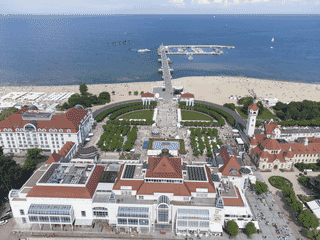
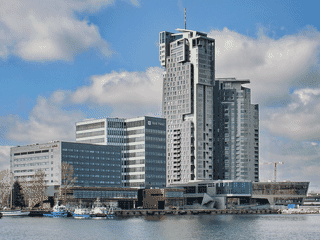
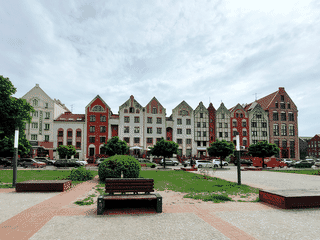
Sopot (20 min by SKM train) has the longest European pier and beach resort atmosphere. Gdynia (30 min) is the biggest Baltic port with modernist architecture. Hel Peninsula is a beach and nature day trip. Elbląg and Frombork offer medieval architecture. For nature, Slowinski National Park has Europe's largest dunes. The Hel ferry back to Gdańsk passes WWII history including the Lenin Shipyards where Solidarity was born.
Adapted from Wikivoyage contributors · CC BY-SA 4.0
Field guide adapted from Wikivoyage contributors · CC BY-SA 4.0. Text has been adapted and organized for this guide. About our sources.
Places to know
A few starting points from the guide. Check current hours and prices before you go.
- eat
Alanya Kebap
Turkish specials on Polish soil. Great kebab in a bun. Good meat (beef), good salads, lots of sauce, delicious cucumbers.
Adapted from Wikivoyage contributors
- eat
Bar Turystyczny
Very good home cooked food. Tasty and wonderful meals with a sense of humor.
Adapted from Wikivoyage contributors
- eat
Dominikański
Best place with "home" cuisine. Delicious food, large portions. The tomato soup is poetry.
Adapted from Wikivoyage contributors
- eat
Fellini
High-quality Italian cuisine and top-notch service.
Recorded price: ~100 zł for three-course meal
Adapted from Wikivoyage contributors
- eat
Gdańska
An entertaining place to visit. The rooms are filled with antiques according to the principle less is not more, and the waiters are dressed like in the good old days.
Recorded price: From 18-100 zł
Adapted from Wikivoyage contributors
- eat
Gdański Bowke
Lots of delicious traditional Polish food. Even though it's in a tourist spot, the quality of the food is truly fine. The tatar tastes amazing with different shades of flavour.
Adapted from Wikivoyage contributors
- eat
Hewelke
Outside the city centre but worth the short trip on public transport. Modern Polish cuisine. Mentioned in the Michelin Guide.
Recorded price: ~250 zł/head for 2 courses and wine
Adapted from Wikivoyage contributors
- eat
Kafe Delfin
A charming, cozy cafe serving delicious apple pie and coffee. Also try their cheap and tasty bread toasts.
Adapted from Wikivoyage contributors
Before you go
Connectivity
Standard European SIM cards with 4G coverage. WiFi in most hostels and cafés. Type C/E power plugs (230V/50Hz).
Culture
Gdańsk is surprisingly progressive for Poland—tolerant of LGBTQ+ travelers. Tipping 10% in restaurants is customary. Polish language predominates but English common in tourist zones.
Food
Pierogi, Polish home cooking, and fresh Baltic fish. Food halls like Montownia offer diverse cuisines. Local vodka specialties include Goldwasser and Machandel.
Language
Polish is official language. English widely understood in tourist areas. German sometimes useful given city's history.
Money
Poland uses the złoty (PLN). Cards accepted widely; cash handy for markets and smaller establishments. ATMs available throughout city.
Safety
Generally safe; police patrols common. Beware pickpockets at Gdańsk Główny station. Avoid strip club scams on Długa Street. Emergency number 112.
Transport
Tram network covers city and connects to Sopot and Gdynia. SKM trains link Tricity cities every 15 minutes. Single tram tickets around 4-6 zł.
Weather
Baltic climate: cold winters (-3°C to 3°C), mild summers (16-22°C). July-August warmest with most rain (60-80mm). Best visited May-September for beach weather.