
Cochabamba
South America · Bolivia
Did you know?
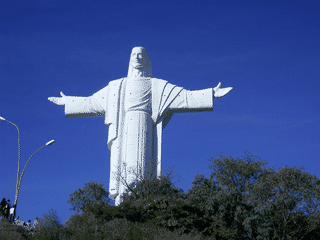
- A cable car climbs to the Cristo de la Concordia statue.
- Silpancho and charque are local food specialties.
- Palacio Portales pairs a mansion with gardens at the Simón I. Patiño Cultural Center.
See also
Quillacollo
Bolivia17.40°S 66.28°W · 2,425 m
Tarata
Bolivia17.61°S 66.02°W · 2,766 m
Torotoro National Park
Bolivia18.10°S 65.77°W · 2,542 m
Oruro
Bolivia17.97°S 67.12°W · 3,710 m
Quime
Bolivia16.98°S 67.22°W
Carrasco National Park
Bolivia17.42°S 65.00°W · 778 m
Overview
Cochabamba brings together museums and colonial architecture. A vibrant food scene adds another reason to explore the city.
Languages: Aymara, Guaraní, Quechua, Spanish
Why go?
Cochabamba is Bolivia's fourth-largest city, nestled in a central valley in the Andes. Known as the 'City of Eternal Spring' for its pleasant year-round temperatures, it offers a wealth of museums, colonial architecture, a vibrant food scene, and the largest open-air market in South America, La Cancha. It's a budget-friendly base for day trips to nearby towns and national parks.
Adapted from Wikivoyage contributors · CC BY-SA 4.0
Climate
Cochabamba enjoys a mild 'eternal spring' climate with temperatures rarely reaching freezing. Humidity is low, and the wet season runs from November to March, while the driest months are May to September. Average highs range from 24.8°C to 27.8°C, and lows from 1.9°C to 12.4°C.
Adapted from Wikivoyage contributors · CC BY-SA 4.0
See
Highlights include the Cristo de la Concordia statue (taller than Rio's Christ the Redeemer), the Martín Cárdenas Botanical Garden, several museums like the Medical Museum and Museo Archeologico (Bs. 25), and the restored Convento Santa Teresa. The Simón I. Patiño Cultural Center offers guided tours of the Palacio Portales mansion and gardens.
Adapted from Wikivoyage contributors · CC BY-SA 4.0
Buy
La Cancha is the main attraction: South America's largest open-air market, best visited on Saturday, offering everything from clothing to souvenirs. For trekking gear, The Spitting Llama Bookstore & Outfitter provides equipment. A small souvenir passage behind the Post Office offers typical Cochabamba goods.
Adapted from Wikivoyage contributors · CC BY-SA 4.0
Eat
Cochabamba claims Bolivia's best food. Lunch specials ('almuerzo completo') cost Bs. 15–25 and include soup and main dish. Local specialties include silpancho and charque (dried llama meat). Restaurants like Bufalo's Rodizio (all-you-can-eat Bs. 85), Casa de Campo, and Jacaranda (famous for charque) are popular.
Adapted from Wikivoyage contributors · CC BY-SA 4.0
Drink
The best chicha (fermented corn or peach drink) comes from the Cochabamba region, especially Punata. Cafés like Cafe Paris on Plaza 14 de Septiembre offer coffee and reliable WiFi. Nightlife includes bars like Cerebrito and clubs like Lujo's Discoteca (entry Bs. 10–15, beer Bs. 10).
Adapted from Wikivoyage contributors · CC BY-SA 4.0
Stay safe
Cars rarely yield to pedestrians, even at crosswalks. Late at night, always call a radio taxi from your hotel or a reputable company like Ciudad Jardín, Renacer, or Jacarandá; avoid hailing cabs on the street. The market area (La Cancha) is known for pickpocketing.
Adapted from Wikivoyage contributors · CC BY-SA 4.0
Cope
Exchange bureaus are at the SW corner of Plaza 14 de Septiembre. Street money changers near Cala Cala bridge offer better rates but are riskier; they may not accept bills smaller than US$100. For visa extensions, visit Migración at Av. J. Rodriguez between Santa Cruz and Potosí.
Adapted from Wikivoyage contributors · CC BY-SA 4.0
Go next
Day trips include Punata (Tuesday market), Tarata (picturesque town), Quillacollo (Fiesta de la Virgen de Urkupiña, Aug 15), and Torotoro National Park (dinosaur footprints, caves). Longer onward travel: direct buses go to Iquique, Chile (via Oruro, allow up to 23 hr).
Adapted from Wikivoyage contributors · CC BY-SA 4.0
Getting in
Jorge Wilstermann International Airport connects to major Bolivian cities and some international destinations. Airlines include Boliviana de Aviación (BoA), TAM, and Ecojet. Direct buses to Cochabamba arrive from many cities; the bus terminal is in the south.
Adapted from Wikivoyage contributors · CC BY-SA 4.0
Getting around
Taxis are available; radio taxis are safer, especially at night. Companies include Ciudad Jardín (has an app), Renacer, and Jacarandá. Minibuses and buses serve the city and suburbs. The Teleférico cable car goes up to Cristo de la Concordia.
Adapted from Wikivoyage contributors · CC BY-SA 4.0
Where to stay
Budget accommodations are plentiful: dorms from Bs. 35 at Hostal Jardin or Hostal Elisa, singles with shared bath from Bs. 35–40. Mid-range options include Running Chaski (dorms Bs. 75–90) and Hotel Los Angeles (singles Bs. 70). Upscale hotels like Gran Hotel Cochabamba and Hotel Camino Plaza are available.
Adapted from Wikivoyage contributors · CC BY-SA 4.0
Field guide adapted from Wikivoyage contributors · CC BY-SA 4.0. Text has been adapted and organized for this guide. About our sources.
Places to know
A few starting points from the guide. Check current hours and prices before you go.
- eat
Bufalo's Rodizio
A Brazilian churasco style restaurant where the waiters comes to your table with a good selection of freshly grilled meats. Delicious. Note that there is only the choice of a buffet style dinner in the evenings, priced very reasonable.
Recorded price: Bs. 85 for all you can eat
Adapted from Wikivoyage contributors
- eat
Casa de Campo
One of the upscale restaurants in Recoleta. Large plates of food (even the half-plate was too much) and good pique macho and other local dishes. Price range is Bs. 37-50. Probably one of the best restaurants in town. Highly recommended.
Adapted from Wikivoyage contributors
- eat
Dumbo
Bolivia's favorite family restaurant. The main joint on Heroinas is always packed, with four dining floors and enough dancers in animal suits to keep the entire juvenile population of Cochabamba entertained.
Adapted from Wikivoyage contributors
- eat
Globos
Good icecream, many coffee-drinks, some cakes and burgers.
Recorded price: Scoop Bs. 5, cup Bs. 20
Adapted from Wikivoyage contributors
- eat
Gopal
Hot and cold buffet lunch Bs. 10-20, the homemade jugs of juice are delicious. Ordering off the menu is possible in the evening, but not as good. Beautiful open courtyard to sit in. This is the same courtyard as that of the Hostel Naupa House.
Adapted from Wikivoyage contributors
- eat
Heladeria Cristal
Very neat and clean.
Recorded price: Good breakfasts Bs. 15-21, set lunch Bs. 16
Adapted from Wikivoyage contributors
- eat
Jacaranda
Not near the city center at all, but it has the reputation of best charque joint in town. Some people say that you can't leave Cochabamba without trying the charque, though it does really just taste like fried beef jerky. Charque is llama meat which is dried, then baked in the oven, then fried for the ultimate crispiness. The half-plate at Jacaranda comes with at least a pound of dried llama jerky, 2 boiled eggs, and the tastiest choclo (oooh the cheese slab was so thick and crumbly).
Recorded price: The half-plate was about a 5-inch high pile, ran Bs. 50 and feeds a normal-sized person for lunch and dinner
Adapted from Wikivoyage contributors
- eat
La Estancia
Upscale and pleasant Argentinian steak place. Portions aren't of the legendary Cochabamba size, but rather of the normal steak-portion size. Word is that the salad bar is amazing. You can get those skinny skinny chip-like potato fry crisps here.
Recorded price: Cut of chicken breast fillet is about Bs. 35 and steak Bs. 45-50
Adapted from Wikivoyage contributors
Before you go
Food
Lunch almuerzo completo Bs. 15–25. Try silpancho and charque. Chicha from Punata region.
Language
Quechua origin of name; Spanish is dominant.
Money
Exchange bureaus at SW corner of Plaza 14 de Septiembre; street changers near Cala Cala bridge offer better rates but riskier.
Safety
Cars rarely stop at crosswalks. Use radio taxis at night from reputable companies. Pickpockets common at La Cancha.
Visa
Visa extensions at Migración in north Cochabamba.
Weather
Eternal spring climate: pleasant year-round, lows rarely freezing, wet season Nov-Mar, dry May-Sep.