Bach Ma National Park
Southeast Asia · Vietnam
Did you know?
- Do Quyen waterfall takes its name from rhododendrons.
- A ruined French hill station survives in the forest near the summit.
- A 1,450-metre peak rises within 22,000 hectares of protected wilderness.
See also
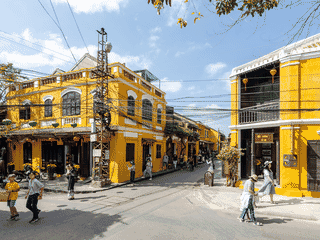

Hoi An
Vietnam15.88°N 108.33°E · 13 m
Lăng Cô
Vietnam16.25°N 108.07°E · 98 m
Da Nang
Vietnam16.07°N 108.13°E · 19 m
Hue
Vietnam16.47°N 107.58°E · 85 m
Chàm Islands
Vietnam15.95°N 108.68°E · 434 m
Quảng Ngãi
Vietnam15.12°N 108.80°E · 13 m
Overview
Bach Ma National Park protects mountain wilderness and cloud forest near Hue. Follow the Five-Lake Cascades Trail or the Pheasant Trail for different views of its habitats.
Languages: Vietnamese
Why go?
Bach Ma National Park covers 22,000 hectares of Vietnamese wilderness with a 1,450m mountain peak, five waterfalls, and rich biodiversity. The park offers trekking, nature observation, and access to the Bach Ma Zen monastery, making it a refreshing nature escape from the nearby imperial city of Hue. Unlike beach-focused Central Vietnam destinations, Bach Ma provides cloud forest ecosystems and mountain scenery.
Adapted from Wikivoyage contributors · CC BY-SA 4.0
When to go
Bach Ma is the wettest area in Vietnam with 8,000mm annual rainfall on the mountain and 3,000mm in the foothills. September to December bring the most rainfall and potential typhoons. February offers cool temperatures with minimal rain. March and April are dry but humid. The dry season from February to April provides the best conditions for trekking and wildlife viewing.
Adapted from Wikivoyage contributors · CC BY-SA 4.0
Getting in
Public buses between Hue and Da Nang stop at Cau Hai upon request for 20,000 dong. Trains also serve Cau Hai station. From Cau Hai, hire a motorcycle taxi to reach the park entrance 3km away. The park entrance is on Highway 1, 40km south of Hue, 65km north of Da Nang, and 90km south of Hoi An. Cycling and motorcycling to the summit are prohibited.
Adapted from Wikivoyage contributors · CC BY-SA 4.0
Fees and permits
Park entry fees are 60,000 dong for adults over 16 years old and 30,000 dong for children and students. Children under 5 enter free. English and French-speaking guides are available for 150,000 dong per day through the park office.
Adapted from Wikivoyage contributors · CC BY-SA 4.0
Getting around
Motorbikes and bicycles are prohibited on the steep 16km summit road for safety reasons. Transportation to guesthouses at the summit and trailheads must be arranged through the park. A car with driver costs 750,000 dong per day, which can be split among groups to reduce individual costs.
Adapted from Wikivoyage contributors · CC BY-SA 4.0
Things to do
Five waterfalls are scattered throughout the park. The Five-Lake Cascades Trail and Pheasant Trail offer different ecological experiences. Organized tours often include flower lantern displays, martial arts performances, and visits to the Bach Ma Zen monastery. Trekking is the primary activity for nature enthusiasts.
Adapted from Wikivoyage contributors · CC BY-SA 4.0
Where to stay
A small campsite near the summit accommodates visitors wanting to experience sunrise and sunset from the peak. Guesthouses at the summit provide basic overnight accommodations. The summit area offers the most immersive nature experience with early morning mist and forest sounds.
Adapted from Wikivoyage contributors · CC BY-SA 4.0
Food and drink
A canteen near the park entrance serves basic meals. Restaurants at the summit ecotourism center provide dining with mountain views. Visitors should bring snacks and water for trail hikes, as food options along the paths are limited.
Adapted from Wikivoyage contributors · CC BY-SA 4.0
Safety
Cycles and motorcycles are prohibited on the 16km Bach Ma mountain road due to dangerous conditions including steep grades and sharp turns. Trekkers should stay on marked trails and be prepared for sudden weather changes given the area's high rainfall.
Adapted from Wikivoyage contributors · CC BY-SA 4.0
Go next
From Bach Ma, travelers can continue to Hue (40km north), the former imperial capital with palace ruins and tombs. South lies Hoi An (90km), the ancient port city, and Da Nang (65km), known for beaches and resort amenities. Lang Co peaceful beach sits near the scenic Hai Van Pass route.
Adapted from Wikivoyage contributors · CC BY-SA 4.0
Field guide adapted from Wikivoyage contributors · CC BY-SA 4.0. Text has been adapted and organized for this guide. About our sources.
Places to know
A few starting points from the guide. Check current hours and prices before you go.
- sleep
Campsite
There is a small campsite near the summit of Bach Ma.
Adapted from Wikivoyage contributors
- eat
Park Entrance Canteen
Basic canteen serving meals near the park entrance gate.
Adapted from Wikivoyage contributors
- eat
Summit Ecotourism Centre Restaurants
Restaurants at the summit offering dining with mountain views.
Adapted from Wikivoyage contributors
- see
Bach Ma Mountain Summit
1,450m peak with panoramic views over the national park and coast.
Adapted from Wikivoyage contributors
- see
Five Waterfalls
Five waterfalls scattered throughout the park's trail system.
Adapted from Wikivoyage contributors
- do
Bach Ma Zen Monastery
Buddhist monastery within the park grounds offering cultural insight.
Adapted from Wikivoyage contributors
- do
Five-Lake Cascades Trail
Trail showcasing the park's cascade ecosystem and biodiversity.
Adapted from Wikivoyage contributors
- do
Pheasant Trail
Trail named for pheasant habitat and wildlife observation opportunities.
Adapted from Wikivoyage contributors
Before you go
Accommodation
Small campsite near summit plus guesthouses at the summit. Day trips from Hue are most common.
Fees
60,000 dong for adults, 30,000 dong for children/students. Guide service 150,000 dong per day in English or French.
Safety
No motorbikes or bicycles allowed on 16km summit road. Hire park transportation or walk the steep ascent.
Transport
Public bus from Hue to Cau Hai costs 20,000 dong. Park entrance is 3km from Cau Hai town. Motorcycle taxis available for transfer.
Weather
Wettest part of Vietnam with 8,000mm annual rainfall. Best visited February to April. Typhoons possible September to December.