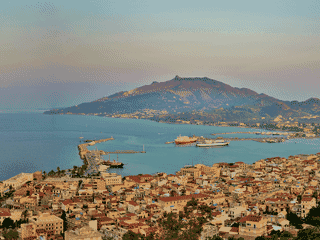

Zakynthos
Eastern Europe and the Balkans · Greece
Did you know?
- The Panagiotis shipwreck lies at Navagio Beach.
- Loggerhead turtles nest on the island's beaches.
- Thyme honey and currants are traditional island products.
See also
Kefalonia
Greece38.26°N 20.59°E · 1,620 m
Overview
Zakynthos combines green landscapes with busy beach resorts and preserved natural areas. Winter rainfall helps give the island its lush character.
Languages: Greek
Why Go?
Zakynthos occupies a unique niche among Greek islands—lush and green from mild winter rainfall, unlike the drier Aegean destinations. While Ios and Kos cater to party crowds, and Rhodes and Crete draw families, Zakynthos splits the difference with vibrant beach resorts and preserved natural areas. The island is famous for Navagio Beach with its wrecked smuggler ship wedged in white cliffs, the Blue Caves at Cape Skinari with their striking azure water, and the loggerhead turtle nesting grounds in Laganas Bay. March to May reveals the island at its most spectacular, blooming with wildflowers and hosting the Easter parade with far fewer tourists than summer peak.
Adapted from Wikivoyage contributors · CC BY-SA 4.0
Getting In
Access to Zakynthos is primarily via ferry from the mainland port of Kyllini on the Peloponnese, with the crossing taking about an hour. Ferry services also connect Zakynthos Town to Kyllini, operating multiple daily crossings. The island has a small airport (Zakynthos International Airport, ZTH) receiving seasonal charter flights from European cities, particularly during summer peak. KTEL buses serve routes from Athens to Kyllini for those combining mainland travel with island hopping to Olympia or Kefalonia. Arriving by cruise ship places visitors on the round-the-island itinerary of larger vessels.
Adapted from Wikivoyage contributors · CC BY-SA 4.0
Getting Around
Public bus transport on Zakynthos is limited and not always reliable for connecting major resort areas to ferry ports. The most practical way to explore the island, especially the mountainous north and west coasts with their dramatic cliffs and hidden beaches, is by renting a car. Rental agencies are abundant in resort areas and at the airport. Scooters are a popular alternative for confident riders. Taxis can bridge gaps where buses fail, though organized tours remain the only option for reaching some destinations like the Agios Nikolaos ferry terminal for Kefalonia crossings without private transport. Boat hire, including self-drive motorboats, allows access to sea caves and beaches unreachable by road.
Adapted from Wikivoyage contributors · CC BY-SA 4.0
When to Go
The shoulder seasons of March through May and September through October offer the best balance of warm weather, manageable crowds, and lower accommodation prices. April and May coincide with the spectacular spring bloom when the island's lush hillsides explode with colorful wildflowers. Easter week brings a special local parade worth experiencing. July and August draw the largest crowds, with Laganas and Kalamaki particularly busy with young tourists seeking nightlife. The marine reserve and turtle nesting areas see most pressure during peak summer months. Winter sees many businesses close, though the island's green character makes it distinctly different from the brown Aegean islands during that season.
Adapted from Wikivoyage contributors · CC BY-SA 4.0
Where to Stay
Accommodation clusters along the southern and eastern coasts where most resorts are concentrated. The Vassilikos peninsula on the southeastern tip offers more traditional Greek village atmosphere with quality self-catering apartments, while still providing easy access to Gerakas turtle beach and Porto Roma. Laganas appeals to younger travelers seeking nightlife, though families may prefer the calmer Tsilivi or Alykes/Alykanas complexes. Zakynthos Town provides urban convenience and the main port access. Self-catering studios and apartments dominate, with villa complexes offering privacy and kitchen facilities for longer stays. Budget travelers find hostels and budget hotels in resort areas, though camping options are limited. Prices range from around €25 per person in budget self-catering studios to over €100 per night for hotel suites in peak season.
Adapted from Wikivoyage contributors · CC BY-SA 4.0
Food and Drink
Traditional Zakynthian cuisine centers on olive oil, thyme honey, currants, and local wines—all purchasable at roadside stalls and in mountain villages. The resort areas offer both authentic Greek tavernas and Anglicized menus catering to tourists, with quality and authenticity varying considerably by location. Laganas has the highest concentration of British-oriented establishments, making Greek food harder to find than in other areas. Traditional dishes like stifado (stew), briani (vegetable casserole), and fresh seafood appear at local tavernas. Roadside stalls provide opportunities to buy honey, olive oil, and local produce directly from producers. Beer options include Greek labels Mythos, Alfa, and Fix, with Amstel widely available. Local village wines are notably strong, and Metaxa brandy and ouzo are common spirits. Raki is homemade in some mountain villages like Volimes.
Adapted from Wikivoyage contributors · CC BY-SA 4.0
Things to Do
The iconic Navagio Beach and its shipwreck of the Panagiotis ranks as the island's most photographed attraction, best visited early morning or after 15:00 to avoid the cruise ship crowds that descend mid-day. The Blue Caves at Cape Skinari offer spectacular azure water best seen in morning light, reachable by boat from Agios Nikolaos, Alykes, or Alykanas ports—self-drive motorboats allow flexible exploration of the northeast coast. Turtle spotting tours in Laganas Bay operate May through early July for best chances of seeing loggerhead turtles, though ecologically conscious travelers should avoid commercial turtle tour operators. Scuba diving at sites like The Arch and Keri Caves compensates for the scarcity of fish due to overfishing. The inland mountain villages and hidden coves reward those with a rental car who venture beyond the beach resorts. Dafni Beach in the marine reserve offers quiet sandy shores with no traffic permitted. Gerakas at the southern tip is the main turtle nesting beach, closed at dusk during nesting season.
Adapted from Wikivoyage contributors · CC BY-SA 4.0
Connectivity
Mobile coverage is generally good in resort areas and along main roads, with Greek carriers offering prepaid SIM cards widely available. WiFi is standard in hotels and many restaurants, though speed varies. The island uses standard European Type F electrical sockets at 230V. Self-drive motorboat rentals from Alykanas provide unique sea access opportunities. Car rental is essential for exploring beyond the main resort areas, with agencies located throughout tourist zones and at the airport.
Adapted from Wikivoyage contributors · CC BY-SA 4.0
Safety
Zakynthos is generally a safe island for travelers, though standard precautions apply in crowded tourist areas. The main environmental concern involves the loggerhead turtles—bright neon lights from bars near nesting beaches can disorient hatchlings and adults, drawing them away from the sea and onto roads where they are killed. Beach chairs and children digging on nesting beaches have destroyed eggs in past seasons. Turtle tour operators causing boat intrusion near nesting areas contribute to declining turtle populations. The mountainous north and west coasts feature dramatic cliffs—care is needed when exploring viewing platforms and coastal roads. Sun safety is essential during summer months, and dehydration is common given the limited water sources outside resort areas.
Adapted from Wikivoyage contributors · CC BY-SA 4.0
Budget
A budget backpacker can manage on €50-70 per day on Zakynthos by staying in self-catering studios, cooking simple meals, and using local buses or rented scooters for transport. Dorm beds are scarce; most budget options are private rooms in family apartments. Eating at tavernas adds €15-25 per day. Self-catering studios with kitchenettes bring daily costs down significantly. Car rental starts around €30-40 per day in shoulder season, rising in July-August. Ferry crossings to Kyllini or Kefalonia cost €10-20 per person. Beach loungers at organized beaches typically cost €4-8 per day. Boat trips to the Blue Caves and shipwreck cost €25-40 depending on operator and included activities. Nightlife in Laganas can quickly inflate budgets for heavy drinkers, but taverna-based evenings with local wine remain affordable.
Adapted from Wikivoyage contributors · CC BY-SA 4.0
Day Trips
The most popular day trip is to Kefalonia island via the ferry from Agios Nikolaos, with multiple daily crossings and many organized tour options available. Athens overnight trips combine the ferry to Kyllini with a drive to the ancient Olympic Games site on the Peloponnese, taking about 45 minutes from the port. The round-the-island circuit by car takes a full day, covering dramatic mountain roads, the shipwreck viewing platform, Volimes craft shops, the bay of Limnionas with its excellent taverna, Kampi clifftop views, and Keri lighthouse—particularly stunning at sunset. Boat trips can combine the Blue Caves with the shipwreck cove, visiting Porto Vromi on the west coast. Self-drive motorboats allow personal exploration of the northeastern coast and sea caves.
Adapted from Wikivoyage contributors · CC BY-SA 4.0
Etiquette
Greek island culture values relaxed interactions—rushing service is uncommon, and patience is appreciated. Tipping is customary in restaurants, with 5-10% considered generous. Dress modestly when visiting churches and monasteries, covering shoulders and knees. The marine reserve at Dafni and Gerakas has strict traffic restrictions that visitors should respect. Turtle nesting beaches require awareness—avoiding sunbeds placed too close to the water's edge and not disturbing marked nesting areas. Photography of the shipwreck from the monastery path is popular, but visitors should stay on marked paths near cliff edges. Greek hospitality extends to unexpected invitations for coffee or raki in village settings—accepting graciously builds goodwill.
Adapted from Wikivoyage contributors · CC BY-SA 4.0
Go Next
The Peloponnese mainland is accessible via the Kyllini ferry, opening options for Olympia and the ancient Olympic Games site (about 45 minutes drive from Kyllini port). Kefalonia island makes an excellent day trip or short extension, with ferries departing from Agios Nikolaos multiple times daily—organized tours handle the logistics, but independent travelers need taxi or rental car to reach the port. Athens requires either an overnight organized tour or a longer journey involving KTEL buses to Kyllini followed by ferry and continued bus travel. The Ionian island chain offers further exploration options—Corfu lies further north, while Lefkada and Ithaca provide quieter alternatives. The western Greek islands including Paxos and Paxi offer smaller-scale alternatives for those seeking fewer crowds.
Adapted from Wikivoyage contributors · CC BY-SA 4.0
Field guide adapted from Wikivoyage contributors · CC BY-SA 4.0. Text has been adapted and organized for this guide. About our sources.
Places to know
A few starting points from the guide. Check current hours and prices before you go.
- sleep
Angella Sterpis
Furnished, self-catering studios and apartments at the seaside. It is a family complex of five self-catering apartments and two studios with spacious and comfortable rooms.
Adapted from Wikivoyage contributors
- sleep
Blue House
Apartments and studios 50 m from the beach.
Adapted from Wikivoyage contributors
- sleep
Bozonos Villa
Bozonos Villa covers an area of 450 m² and occupies a 1,600 m² property.
Adapted from Wikivoyage contributors
- sleep
Daphnes Villas and Apartments
10 self-catered cottages sleeping 2-7 people. Air-con, Internet, library, playroom, playground, maid service, bed linen, bicycles, BBQ all included in the price. Walking distance to beach, supermarket, taverns and car rental. Open May to October.
Recorded price: €25 person/day
Adapted from Wikivoyage contributors
- sleep
Edelweiss Zante Hotel
The Edelweiss complex is in the beautiful seaside village resort of Argassi with the magnificent Mt Skopos as its backdrop.
Adapted from Wikivoyage contributors
- sleep
Emerald Deluxe Villa
Hillside setting with fabulous coastal views, private pool and gardens a family friendly property. 4 bedrooms and 4 bathrooms, (comfortable for up to 8 people) kitchen, dining area, living area, private pool with hydro massage, children's pool, private playground, private parking area, outdoor dining-living area, outdoor shower, BBQ, satellite TV, Wi-Fi.
Adapted from Wikivoyage contributors
- sleep
Gerakas Cottage
This cosy pink cottage, which sleeps 5, is in an oak forest with a private garden with sea view and a path leading down to a small secluded beach.
Recorded price: €30/person/day
Adapted from Wikivoyage contributors
- sleep
Harmony Villas
Stone villa with 2 bedrooms to accommodate 6 people. In a quiet area close to the beach. Free airport transfer. Free Wi-Fi.
Recorded price: €39+
Adapted from Wikivoyage contributors
Before you go
Connectivity
Mobile coverage is good in resort areas. Greek prepaid SIM cards available for data. WiFi is standard in hotels. European Type F electrical sockets (230V) used throughout.
Culture
Traditional products include olive oil, thyme honey, currants, and local wines. Greek cuisine available but Anglicized menus common in resort areas. Local wines are notably strong.
Entry
Greece is part of the Schengen Area. EU citizens enter freely; other nationalities should check visa requirements. Airport has seasonal international flights via charter operators.
Money
Greece uses the euro (€). ATMs are plentiful in resort areas and Zakynthos Town. Credit cards accepted in hotels and larger restaurants, but cash preferred in villages and for small purchases.
Safety
Turtle nesting areas require respect—avoid beach chairs near waterline and avoid commercial turtle tour operators. Dramatic cliffs exist on north and west coasts. Sun exposure is intense in summer.
Transport
Public buses are limited and unreliable outside major routes. Car rental is strongly recommended for exploring beyond resort areas. Ferry connections to Kyllini (Peloponnese) and Agios Nikolaos (Kefalonia) are the main island connections.
Weather
Summer months (June-August) are hot and crowded. March-May brings spring blooms and Easter celebrations. September-October offers warm weather with fewer tourists. Many businesses close October through April.