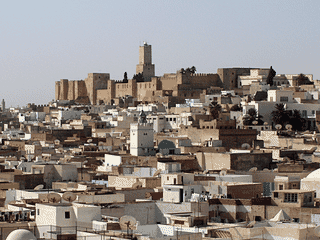
Overview
Tunis pairs an atmospheric medina and souq with French colonial avenues and easy rail links to Carthage and the coast. It is a practical cultural base for museums, hammams, cafés, and day trips across northern Tunisia.
Culture · Architecture · Transit Hub · History · Museums
Did you know?
- The TGM line makes Carthage and La Marsa easy rail add-ons.
- Ojja, couscous, bitter coffee, and French pastries shape the local food trail.
- The medina and souq rank among North Africa's most authentic and hassle-free.
Why Go
Tunis is the commercial and cultural heart of Tunisia, offering a rare mix of new and old. The medina and souq are among the most authentic and hassle-free in North Africa, while colonial French buildings along Avenue Habib Bourguiba add architectural variety. The city serves as the main traffic hub for the country and provides easy access to the ruins of Carthage, just 10 km away.
Getting In
Tunis-Carthage Airport is 8 km from the city center with standard facilities and free Wi-Fi (though it doesn't always work). International flights arrive on the ground floor where ATMs and cafes are available. Tunis central railway station (Gare Centrale) is in front of Place de Barcelone, offering connections to the metro system and left luggage facilities (3-5.5 DT per locker, 08:00-22:00).
Get Around
Free maps of Tunis are available at the National Tourism Office northeast of the clock tower near the Medina gate. The city has a light metro system with stations including Bab Saadoun, Bab Alioua, and Moncef Bey. The TGM line connects to Carthage and La Marsa.
When to Go
Tunis has a Mediterranean climate warmer than European Mediterranean regions. Summers are hot and dry with temperatures over 40°C possible. Winter sees most rainfall (8-9 days per month) with occasional freezing temperatures and rare snow. The mild climate makes Tunis comfortable year-round, though spring and fall offer the best balance of warmth and lower crowds.
Where to Stay
Most tourists choose between the Medina or Ville Nouvelle. The Medina has the youth hostel and budget options, while Ville Nouvelle offers many budget and mid-range hotels grouped north of Place Barcelone. Budget accommodation starts around 8 DT at the YHA Tunis Auberge Medina, with doubles at La Maison Dorée from 32-52 DT. Note that some places may expect couples to present proof of marriage for two-person rooms.
Food and Drink
Tunisian cuisine features dishes like ojja (spicy tomato-based stew with merguez sausage) and couscous. Most hotels include breakfast, and there are countless coffee shops with bitter coffee and French-style pastries. During Ramadan, finding open restaurants during daytime is difficult. For alcohol, head to hotel bars as most serve beer and wine; areas Lac 1 and Lac 2 do not permit alcohol service. Local beers are Celtia and the rare Stella; local liqueurs include Boukha and Thibina.
Things to Do
The UNESCO-listed Tunis Medina is a colorful, crowded labyrinth of decorated old houses and market stalls. Wandering the souk is essential, with haggling expected. Hammams (traditional steam baths) offer cultural experiences near mosques. Belvedere Park houses the Museum of Modern Art and municipal zoo (closed Mondays). The Théâtre Municipal de Tunis hosts opera, ballet, and concerts in an Art-Deco building.
Safety
Touts and unofficial guides hang around tourist spots and expect baksheesh for unwanted help. Men on Avenue Habib Bourguiba approach tourists with various techniques: asking for cigarettes, lighters, or the time. Politely but firmly decline with "non, merci" or French "Monsieur, je connais bien Tunis." Avoid those who seem overly friendly. Note that terrorist attacks targeting tourists have occurred, including the 2015 Bardo National Museum attack. The government has increased policing in tourist areas.
Connectivity
SIM cards and local mobile data are available from Tunisian providers. Free Wi-Fi is available at Tunis-Carthage Airport and in some hotels. The city has good mobile coverage. Power outlets are European-style Type C and E with 230V.
Budget
Budget travelers can get by on 50-80 DT per day including dorm accommodation at hostels, street food meals (5-10 DT), local transport, and attraction entry fees. Museum entry ranges from 5-13 DT, hammam visits around 5-10 DT. ATMs are widely available for cash withdrawals in Tunisian Dinar.
Day Trips
Carthage, the ancient Punic capital, is easily reached from Tunis and features ruins and museums. The picturesque blue-and-white village of Sidi Bou Said is 15 km northeast. La Marsa has major beach bars and clubs. Port El Kantaoui offers resorts and a marina.
Etiquette
Tunis is predominantly Muslim, so modest dress is advisable, especially when visiting mosques. Non-Muslims can only view the Grande Mosquée Zitouna from a platform (3 DT), not enter the prayer hall. Always remove shoes when entering mosques. Greet with "Salaam" (peace) and use the right hand for giving and receiving.
Go Next
From Tunis, explore Carthage's ancient ruins or the beach town of La Marsa. Sidi Bou Said offers blue-and-white architecture and Mediterranean views. The resort area of Port El Kantaoui is to the south. Internal trains and buses connect to other Tunisian cities including Sousse, Kairouan, and the south.
Guide text adapted from Wikivoyage contributors under CC BY-SA 4.0.
Where to start
Eat
Café de Paris Brasserie
A good restaurant with a beautiful interior and some outdoor tables. You can choose among pizza, couscous and a variety of salad. Also serves alcohol.
Eat
Dar el-Jeld
Reservations online. Perhaps the best of the restaurants in Tunis, this restaurant pays attention to every single detail. The food is excellent, and the management speaks English and French fluently, and can recommend various dishes. Everything is recommended, though the couscous is simply good, but not incredible. The staff is very friendly, but can turn somehow cold if you just order main and drinks, but no dessert and starter.
Eat
Etoile de La Medina
Tucked away it is something special. Traditional food and decor. Welcoming with plentiful amounts of food.
Eat
L'Orient
The steaks are bland, the fish good and local food such as Berber Lamb is excellent. The service is prompt.
Eat
La Mamma
Very cosy restaurant on several floors. Good Italian inspired food. Has live music and is open to midnight.
Eat
La Sirène
You pick the fish from their market and they fry it right there. Indoor and outdoor seating. Can be busy so enjoy the water views while you wait.
Eat
Restaurant Dar Slah
Luxurious seafood restaurant with a large terrace surrounded by palm trees. In medina so can be hard to find, look for the yellow sign and door.
Eat
Restaurant Ojja Chouchou
Popular so it may be busy, but the service is fast so people will be coming and going. Large portions.
Before you go
Connectivity
Free Wi-Fi at the airport. Local SIM cards available for data. European-style power outlets (Type C/E, 230V).
Culture
Modest dress recommended, especially at religious sites. Hammams are common and culturally significant. Most locals speak French and Arabic.
Etiquette
Use right hand for greetings and exchanges. Remove shoes at mosques. Photography may be restricted at religious sites. Haggle at souks.
Food
Tunisian cuisine features ojja, couscous, and fresh seafood. Count on canned tuna in many dishes. Hotel restaurants serve alcohol; most local eateries do not.
Money
ATMs are widely available for Mastercard and Visa. Airport exchange booths offer good rates due to competition. Currency is the Tunisian Dinar (DT). Budget approximately 50-100 DT per day.
Safety
Be cautious of touts and overly friendly strangers on Avenue Bourguiba. Decline firmly with 'non, merci'. Tourist areas have increased police presence after past terrorist incidents.
Transport
Light metro connects city areas. TGM line to Carthage and La Marsa. Central station has left luggage (3-5.5 DT). Taxis available throughout.
Weather
Mediterranean climate. Hot, dry summers (40°C possible). Mild winters with most rainfall. Springs and falls offer ideal temperatures.