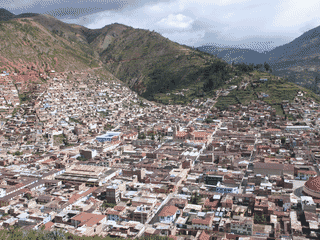

Tarma
South America · Peru
Did you know?
- The Museo de la Cultura offers free entry, guided tours and maps.
- Ancient paintings are among the features of Gruta de Huagapo.
- Semana Santa celebrations feature floral displays.
See also
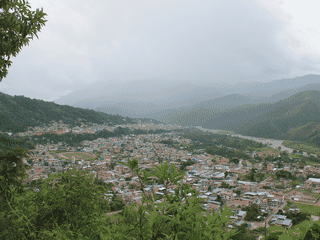

La Merced
Peru11.06°S 75.34°W · 751 m
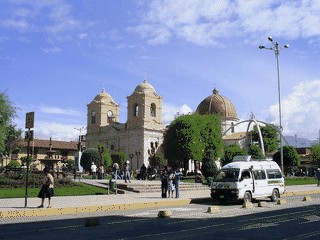

Huancayo
Peru12.07°S 75.22°W · 3,271 m
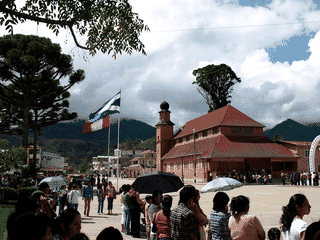

Oxapampa
Peru10.58°S 75.40°W · 1,814 m
Overview
Pre-Inca ruins, caves with ancient paintings and mountain waterfalls surround this highland town. Roads lead toward the jungle for a change of landscape.
Languages: Aymara, Quechua, Spanish
Why Go
Tarma sits at over 3000 meters above sea level in Peru's Southern Sierra, earning nicknames like the Pearl of the Andes and City of Flowers. The town serves as a gateway to pre-Inca ruins, deep caves with ancient paintings, mountain waterfalls, and the jungle just hours away by road. It is the largest town in the province of Tarma and offers a slower pace than major tourist destinations with nearby smaller towns still providing banks and hostels.
Adapted from Wikivoyage contributors · CC BY-SA 4.0
Getting In
Tarma is accessible by road from multiple directions. From the north, the road descends over 2000 meters through magnificent waterfalls on the way to San Ramon (66 km northeast), which has an airstrip. From the northwest, a road climbs around 1000 meters passing Gruta de Huagapo en route to Junin (75 km). Bus and collective taxi services connect Tarma to surrounding towns with typical fares like S/7 to La Merced.
Adapted from Wikivoyage contributors · CC BY-SA 4.0
Getting Around
Tarma town itself is walkable with the Plaza de Armas as a central reference point. Local colectivo taxis and buses connect to nearby towns in the province including Huaricolca, Palcamayo, San Pedro de Cajas, and others. For destinations like Gruta de Huagapo (27 km away near Palcamayo), the road towards Junin is used.
Adapted from Wikivoyage contributors · CC BY-SA 4.0
When To Go
Tarma can be visited year-round though the dry season (May-September) generally offers more stable weather for trekking and sightseeing. The Festival of Flowers takes place in September, while Carnaval occurs in early March with Semana Santa (Easter) featuring beautiful floral displays. The Festival del Huayco tarmeño in November celebrates local culture.
Adapted from Wikivoyage contributors · CC BY-SA 4.0
Where To Stay
Tarma offers modest accommodation options for budget travelers. Hospedaje El Dorado on Jirón Huánuco 488 provides continental breakfast, hot water, private bathrooms, cable TV, and internet access from around S/30-S/65 including tours. Aruba on Jirón Moquegua 452 offers hot water and private bathrooms. Smaller towns in the province also have hostels available.
Adapted from Wikivoyage contributors · CC BY-SA 4.0
Food And Drink
Local eateries cluster near the market area. Market Asuncion offers meals for around S/3. Panaderia Bahamas on Jr Huanuco near the market sells little cakes for S/1. Restaurant options include Los Mejorcito de Tarma (Av. Arequipa 501), Salón Odria (Av. Ramón Castilla 512), El Gallito De Oro (Jirón 2 De Mayo 501), and El Pollo Stop which has a kids playground and outdoor eating area.
Adapted from Wikivoyage contributors · CC BY-SA 4.0
Things To Do
Tarma province offers archaeological sites including Tarmatambo with stone buildings and terraces (11°28'36 S 75°41'07 W), Yanamarca ruins of a three-story Chanca building, Wilcashmarca and Ancashmarca ruins, and Kutumarca with its round stone structure. Cave explorers should visit Gruta de Huagapo, possibly Peru's largest cave with ancient paintings (11°16'08 S 75°47'04 W), or Gruta de Pacupa Huain near San Pedro de Cajas. The Museo de la Cultura (corner of Jr. Dos de Mayo and Jr. Arequipa) provides free entry and guided tours plus excellent maps. For nature, the trail from Palcamayo leads to Laguna de Cocon past Llaumanpata ruins (10 km each way).
Adapted from Wikivoyage contributors · CC BY-SA 4.0
Safety
Standard urban precautions apply in Tarma. Visitors should be mindful of belongings in market areas and on public transport. At higher elevations, acute mountain sickness may affect some travelers; acclimatization is recommended before strenuous activity. Remote trails and caves should be explored with proper preparation and ideally a local guide.
Adapted from Wikivoyage contributors · CC BY-SA 4.0
Connectivity
Internet access is available at some accommodations like Hospedaje El Dorado which offers internet for guests. Mobile coverage exists in Tarma town with Peruvian carriers. For the most reliable connection, arrangements should be made through accommodation providers.
Adapted from Wikivoyage contributors · CC BY-SA 4.0
Budget
Tarma is very affordable for budget travelers. Meals at local markets cost S/3, street food like cakes from bakeries are S/1. Basic accommodation starts around S/30-65 per night at hostels like El Dorado which includes breakfast. Activities and tours through local operators range S/30-S/65. A daily budget of S/60-100 covers accommodation, food, and basic activities.
Adapted from Wikivoyage contributors · CC BY-SA 4.0
Day Trips
Gruta de Huagapo cave is reachable as a day trip, about 27 km from Tarma near Palcamayo. The Santuario Nacional Pampa Hermosa, a tropical jungle area with waterfalls and Yungas, is about 100 km away but much closer to San Ramon. The trail to Laguna de Cocon from Palcamayo makes a full-day trek at 20 km round trip.
Adapted from Wikivoyage contributors · CC BY-SA 4.0
Go Next
From Tarma, the road northwest leads to Junin (75 km) after passing Gruta de Huagapo. Northeast routes descend over 2000 meters to San Ramon (66 km) through waterfalls, where an airstrip operates. The jungle town of La Merced is about 1.5 hours away (S/7 fare) with remarkable tropical scenery. Other onward destinations include Oxapampa and Pichanaki.
Adapted from Wikivoyage contributors · CC BY-SA 4.0
Field guide adapted from Wikivoyage contributors · CC BY-SA 4.0. Text has been adapted and organized for this guide. About our sources.
Places to know
A few starting points from the guide. Check current hours and prices before you go.
- sleep
Aruba
Hot water, private bathrooms, cable TV.
Adapted from Wikivoyage contributors
- sleep
El Dorado
Continental breakfast, Internet, room service, hot water, private bathrooms, cable TV. These guys also have a good range of tours from S/30 to S/65.
Adapted from Wikivoyage contributors
- eat
El Gallito De Oro
Adapted from Wikivoyage contributors
- eat
El Pollo Stop
Has a kids playground and outdoor eating area.
Adapted from Wikivoyage contributors
- eat
Hot N' Tender
Chicken, chips, salad.
Adapted from Wikivoyage contributors
- eat
Los Mejorcito de Tarma
Adapted from Wikivoyage contributors
- eat
Market Asuncion
Local market with meals for S/3
Recorded price: S/3
Adapted from Wikivoyage contributors
- eat
Panaderia Bahamas
Bakery near market selling little cakes for S/1
Recorded price: S/1
Adapted from Wikivoyage contributors
Before you go
Altitude
At over 3000 meters elevation, travelers should acclimatize before physical activities. Possible effects include shortness of breath and fatigue.
Money
Peruvian Sol (S/) is the local currency. ATMs available in Tarma town center. Market meals cost S/3, street food S/1-2, basic hostel accommodation S/30-65 per night.
Transport
Tarma is accessed by road from Lima and surrounding highland towns. Local colectivos and buses connect to nearby destinations. Road to San Ramon descends through waterfalls.
Weather
Highland climate with dry season May-September. Festival of Flowers in September, Carnaval in March, Semana Santa with floral displays at Easter.