Overview
Lima's Miraflores district offers plentiful visitor accommodation, restaurants and nightlife. Barranco adds colonial architecture and an artsy atmosphere.
Food · Architecture · Nightlife
Did you know?
- Parque de la Reserva hosts the Circuito Mágico del Agua fountain and light show.
- A pre-Inca temple stands amid Miraflores at Huaca Pucllana.
- Ceviche cures raw fish in lime juice.
Why Go
Lima is the gastronomic capital of the Americas, declared by the 2006 Madrid Fusión summit, with world-class ceviche, chifas, and regional cuisines rivaling any global city. Founded in 1535 by Francisco Pizarro, the city offers UNESCO World Heritage colonial architecture in the historic downtown alongside modern museums like Museo Larco that trace 5,000 years of Peruvian civilization. The city sits in a desert valley receiving only 3 cm of rain annually but remains surprisingly green with artificially watered parks.
Getting In
Jorge Chávez International Airport is in Callao, 45 minutes northwest of Miraflores. Official Airport Express Lima buses connect to 7 stops in Miraflores for S/20 one-way (S/15 per person for groups). Microbuses labeled "Todo Faucett/Aeropuerto" also serve the airport from S/2. Long-distance buses operate from terminals in La Victoria district including Cruz del Sur to Arequipa/Cusco, Civa, Cromotex, and Oltursa. The Desamparados railway station serves regional rail.
Getting Around
Lima Metro Line 1 connects southern districts to the center, running from Villa El Salvador to Bayóvar. Metropolitano is the BRT bus system with dedicated lanes running north-south through the city center. Taxis are plentiful but agree on a price before departing. Walking is recommended in safe districts like Miraflores and Barranco. The historic center is best explored on foot but avoid walking alone at night.
When to Go
Summer (December to February) brings sunny, hot weather with extreme UV index—stay in shaded areas when visiting archaeological sites. The rest of the year is overcast with temperatures between 20-30°C, feeling chillier due to dampness. June-August is the cool, misty "winter" with garúa (dense fog). Avoid visiting during February Carnaval if you prefer not to deal with crowds. Air pollution can be severe year-round.
Where to Stay
Miraflores is the tourist hub with the most budget accommodation options, restaurants, and nightlife. Barranco offers a bohemian, artsy atmosphere with colonial architecture. San Isidro and Surco are upscale and safer but pricier. The historic center (Centro) has cheap options but is not safe for tourists at night. Airbnb and hostels dominate the budget scene; mid-range hotels cluster in the business districts.
Food and Drink
Ceviche is the national dish—fresh raw fish cured in lime juice—and you must try it in Lima's many cevicherías (at least one per neighborhood). Chifas (Chinese-Peruvian restaurants) number in the hundreds, offering affordable seafood and chicken. Japanese restaurants are upscale but excellent for fresh seafood. Peruvian food can be very spicy; ask if dishes are "picante." Street food includes emoliente (hot barley drink, S/1 from vendors) and fresh jugos (fruit juices from S/0.50 at markets). Bembos serves Peruvian-style burgers; avoid generic fast food chains.
Drinking
Pisco Sour is the national drink made with Pisco brandy and lime juice—sweet and easy to overconsume. Inca Kola is Peru's favorite soda (yellow fruit flavor). Chicha Morada is a refreshing non-alcoholic purple corn drink high in antioxidants. Jugos naturales (fresh fruit juices) are sold everywhere from S/0.50. Emoliente is a hot barley-herb drink sold by street vendors at night especially in winter.
Things to Do
Huaca Pucllana is a pre-Inca temple (500 AD) in Miraflores, open daily except Tuesday and Sunday 09:00-15:30 with guided tours (S/15). The Circuito Mágico del Agua is a fountain and light display in Parque de la Reserva. Museo Larco in Pueblo Libre showcases pre-Columbian art. Parque Kennedy in Miraflores is the entertainment district center, famous for its cats. Surfing and paragliding are available at Miraflores Beach. Folkloric dance shows with dinner run S/39.50-68 per person.
Tours and Activities
Bike Tours of Lima offers bicycle, walking, and food tours (US$35-90) with English-speaking guides—ranked #1 activity on Tripadvisor. The Lima Gourmet Company runs combined city and culinary tours including market visits and cooking classes. Exquisito Perú offers walking food tours ($59-159). Mirabus operates bus tours (adults S/70, children S/50) and road train city center tours (adults S/5) from Parque Kennedy information booth.
Safety
Do not intervene if you witness a crime—criminals often carry weapons. Maintain a low profile: leave fancy watches at home, avoid fine suits and laptops when hailing street taxis. Call a taxi rather than hire one on the street if you look like a tourist. The old city center is unsafe at night. Keep a relaxed, friendly attitude. Shanty towns on the outskirts have high poverty and unemployment—avoid wandering there.
Connectivity
Major mobile providers offer good coverage in urban areas; SIM cards are readily available. WiFi is common in hotels, cafes, and restaurants in Miraflores and other tourist areas. Power plugs use Type A/B sockets (same as US), 220V/60Hz. International roaming can be expensive; local SIM cards are more economical for data.
Budget Planning
Budget travelers can manage on S/80-120 daily including hostel dorms (S/40-80), street food meals (S/15-30 per meal), local transport (S/5-15), and attraction entrance fees. Mid-range accommodation starts at S/120-200 for private rooms. Museum entry typically S/10-20. Long-distance bus tickets to destinations like Cusco start around S/50-100 depending on bus company.
Day Trips
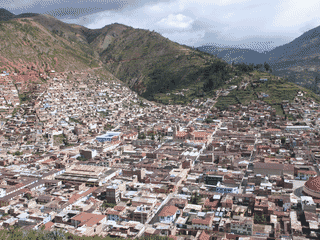
Pachacamac in Lurin (30 minutes from Miraflores) is a sacred pre-Inca citadel with the Temple of the Sun. The Costa Verde green coast stretches between San Miguel and Chorrillos with beaches and viewpoints. The surrounding residential towns in the foothills offer spectacular views. The historic downtown is walkable but best visited during daylight hours.
Go Next
Cusco is the gateway to Machu Picchu (4-hour train ride)—Cruz del Sur luxury buses run twice daily. Arequipa is the "White City" in the southern highlands. Nazca contains the mysterious Nazca Lines. Huaraz is a mountaineering center. Ica and Huacachina offer desert oasis experiences. Paracas provides boat trips to the Ballestas Islands. International flights include US$31 airport tax (rolled into ticket price); domestic flights US$7.40 tax.
Guide text adapted from Wikivoyage contributors under CC BY-SA 4.0.
Where to start
Sleep
Hospedaje en Miraflores
Budget hostels and guesthouses cluster in Miraflores, the safest tourist district with the most dining options.
Price when recorded: Dorms from S/40, private rooms from S/80
Eat
Bembos
Peruvian-style hamburgers and local fast food chain—tastier than generic chains.
Price when recorded: S/8-15
Eat
Cevichería anywhere in Lima
Fresh ceviche is Peru's national dish—Lima has at least one cevichería per neighborhood.
Price when recorded: S/15-30
Eat
Chifas (Chinese-Peruvian restaurants)
Hundreds of affordable neighborhood eateries rich in seafood and chicken.
Price when recorded: S/10-20
See
Circuito Mágico del Agua
Fountain and light display in Parque de la Reserva and Parque Fermín Tangüis.
See
Historic Downtown Lima
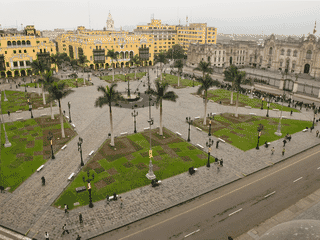
UNESCO World Heritage Site with colonial churches, cloisters, and the Plaza Mayor.
Price when recorded: Free to walk
See
Huaca Pucllana
Pre-Inca temple of the Lima culture (around 500 AD) in Miraflores—one of the most popular attractions.
Price when recorded: S/15/person
See
Museo Larco
Pre-Columbian art museum in Pueblo Libre with one of the best collections in the Americas.
Price when recorded: S/20
Before you go
Food
Ceviche is essential—try at local cevicherías. Chifas (Chinese-Peruvian) are affordable. Ask if food is "picante" (spicy). Emoliente and jugos are cheap street drinks.
Health
Sun protection critical year-round—UV is extreme even on cloudy days. Water is generally safe in establishments. Stick to bottled water in uncertain areas.
Money
Peruvian Sol (S/) is the local currency. US dollars accepted in tourist areas but expect poor exchange rates. ATMs widely available. Budget S/80-120 per day.
Safety
Avoid intervening in crimes—criminals carry weapons. Keep low profile; leave expensive items at home. Old city center unsafe at night. Call taxis instead of hailing on street.
Transport
Metropolitano BRT and Metro Line 1 cover main routes. Taxis require pre-negotiated prices. Airport Express Lima (S/20) is the official bus to Miraflores.
Weather
Summer (Dec-Feb) is sunny and hot with extreme UV. Rest of year is overcast and damp (garúa fog). Rainfall is minimal (3cm/year). Air pollution can be severe.