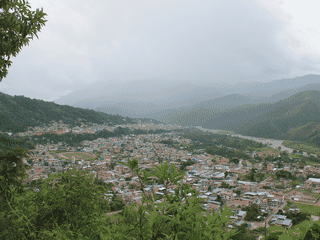

La Merced
South America · Peru
Did you know?
- Coffee, cocoa and tropical fruit grow in the surrounding valleys.
- Puente Kimiri is a suspension bridge dating from 1901.
- The Indiana Jones outing climbs a waterfall-filled creek bed using ropes.
See also
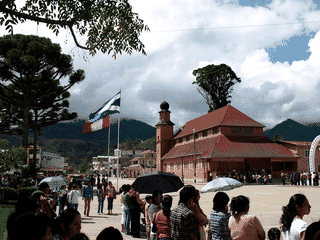

Oxapampa
Peru10.58°S 75.40°W · 1,814 m
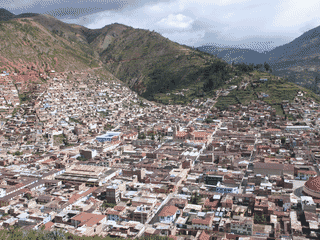

Tarma
Peru11.42°S 75.69°W · 3,053 m
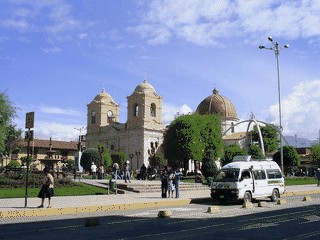

Huancayo
Peru12.07°S 75.22°W · 3,271 m
Overview
La Merced offers waterfall outings, jungle excursions and Ashaninka crafts. Its tropical setting makes a convenient base for visitors seeking rainforest scenery without a remote expedition.
Languages: Aymara, Quechua, Spanish
Why Go
La Merced serves as the capital of Chanchamayo Province in Junín Region, sitting at 750 meters above sea level between Tarma and Pichanaki. The town is a gateway to the jungle with multiple waterfalls including Catarata del Tirol, jungle tours like Perene and Indiana Jones, and Ashaninka indigenous crafts. It's a practical base for exploring the Southern Sierra's tropical edge without full jungle remoteness.
Adapted from Wikivoyage contributors · CC BY-SA 4.0
Getting In
Buses from Huancayo take about 4 hours and depart from the multi-company terminal on Av. Ferrocarril. The journey connects La Merced to the larger regional hub of Huancayo, which has better long-distance connections. No airport or train service directly serves La Merced.
Adapted from Wikivoyage contributors · CC BY-SA 4.0
Getting Around
The town center is very walkable, taking under 30 minutes to cross on foot. Mototaxis to most locations cost S/1 (one sol) per person during the day, with slightly higher rates at night. For destinations like Puente Kimiri, expect a 45-minute walk from the center.
Adapted from Wikivoyage contributors · CC BY-SA 4.0
When to Go
The area sits at 750m elevation, offering a warm climate year-round. June through August tends to be drier, making waterfall visits more accessible. December through March brings more rain, though jungle tours operate year-round. Tour operators in the central plaza typically start at morning and finish around 10:00.
Adapted from Wikivoyage contributors · CC BY-SA 4.0
Where to Stay
Budget accommodation options in La Merced are limited. Hostal Prince at Jr. Arequipa 153 offers clean twin rooms from S/40. Most hostels cluster near the central plaza and along the main avenue. Advanced booking is recommended during festival periods when domestic tourism spikes.
Adapted from Wikivoyage contributors · CC BY-SA 4.0
Food and Drink
Bio fresh near the terminal serves ice cream at S/3 for two scoops, best for a quick stop rather than sitting. Casa de Allen on Av Peru, about 40 minutes walking from the center, offers burgers in three sizes and flaming crepes with ice cream; owner Allen provides local area information. Local selva (jungle) food is available at various locations around town, featuring coffee, cocoa, and tropical fruits grown in the surrounding valleys.
Adapted from Wikivoyage contributors · CC BY-SA 4.0
Things to Do
Puente Kimiri, a 1901 suspension bridge, lies 45 minutes walking toward Oxapampa/Pichanaki; follow red arrows 30 minutes further to reach three waterfalls (Las Reinas, Hanuman, Gondika). The Perene Tour at S/35 covers two waterfalls with swimming, a native village, coffee processor, boat ride, and lunch. The more challenging Indiana Jones Tour (S/25 per person) involves climbing a creek bed with waterfalls via rope, requiring good physical condition. Catarata del Tirol, 17km from town, requires a 15-minute walk up a well-made path; adults pay S/1 entry.
Adapted from Wikivoyage contributors · CC BY-SA 4.0
Buy
Coffee and cocoa are grown locally, along with abundant tropical fruit. Ashaninka indigenous community crafts and art make distinctive souvenirs. The Saturday night Discoteca Kametsa Cafe Rock on the outskirts draws a fun local crowd with Latin music.
Adapted from Wikivoyage contributors · CC BY-SA 4.0
Connectivity
Mobile coverage exists from Peruvian carriers (Movistar, Claro, Entel) with 3G service in town. WiFi available at some hostels and cafes near the central plaza. Power sockets use Type A/B American-style plugs, 220V.
Adapted from Wikivoyage contributors · CC BY-SA 4.0
Go Next
Oxapampa costs S/10 and takes 1 hour 40 minutes by bus. Tarma, known as the Pearl of the Andes, is the nearest major town. Pichanaki and Satipo offer further jungle exploration. Atalaya serves as the gateway for boats heading downstream to Pucallpa in Ucayali Region. Huancayo, the regional capital, connects to longer routes including toward Lima.
Adapted from Wikivoyage contributors · CC BY-SA 4.0
Field guide adapted from Wikivoyage contributors · CC BY-SA 4.0. Text has been adapted and organized for this guide. About our sources.
Places to know
A few starting points from the guide. Check current hours and prices before you go.
- sleep
Hostal Prince
Nice, clean rooms.
Recorded price: Twin S/40
Adapted from Wikivoyage contributors
- eat
Bio fresh
Ice cream shop near the terminal with S/3 for two scoops, perfect for a quick refreshment.
Recorded price: S/3 for 2 scoops
Adapted from Wikivoyage contributors
- eat
Casa de Allen
Burgers in three sizes plus flaming crepes with ice cream; owner Allen knows the area and shares local tips.
Adapted from Wikivoyage contributors
- see
Banos Termales de Uchubamba
Thermal pools.
Adapted from Wikivoyage contributors
- see
Catarata Sanchirio
Waterfall.
Adapted from Wikivoyage contributors
- see
Catarata Tunquimayo
Waterfall.
Adapted from Wikivoyage contributors
- see
Catarata del Tirol
You must walk for about 15 minutes up a gorge to reach the waterfall, it's a fairly easy walk up a well-made path.
Recorded price: Adults S/1
Adapted from Wikivoyage contributors
- see
Ducha del Diablo
Adapted from Wikivoyage contributors
Before you go
Food
Local jungle food with coffee, cocoa, and tropical fruits. Ice cream at Bio fresh for S/3. Avoid wild game meat for ethical reasons.
Money
Currency is Peruvian sol (S/). ATMs near the terminal and plaza area. Cash preferred for mototaxis and small purchases.
Safety
Standard precautions for a small Peruvian town. Avoid consuming wild animal meat (zamaño, sajino, venado) which are endangered species.
Transport
Mototaxis cost S/1 per person during the day. Buses from Huancayo take 4 hours from the terminal on Av. Ferrocarril.