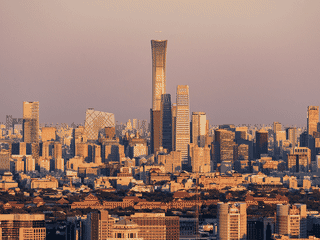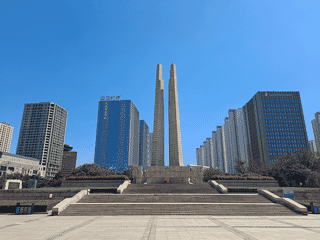
Overview
This steel-making hub turns its industrial and earthquake history into museums, mine heritage, folk culture, and access to the Eastern Qing Tombs. Local specialties include chess-piece biscuits and honey crisp candy.
History · Museums · Food · Culture · Day Trips
Did you know?
- The earthquake museum commemorates the 1976 disaster and is free to enter.
- A national mine park marks China's first mechanized coal mine.
- Chess-piece biscuits and honey crisp candy carry a 400-year food history.
Where it is
Tangshan is 156 km east of Beijing.
Why go?
Tangshan (唐山) is Hebei's third-largest city and China's largest steel-making hub, but visitors come for its extraordinary earthquake memorial museum, rich folk culture, and proximity to the Eastern Qing Tombs. The city has transformed its industrial legacy into cultural attractions, including the Kailuan National Mine Park marking China's first mechanized coal mine. Food lovers will appreciate local specialties like chess piece biscuits (棋子烧饼) and honey crisp candy (蜂蜜麻糖) with 400 years of history.
Getting there
Tangshan Sannühe Airport (TVS) in Fengrun District handles domestic flights to major cities including Shanghai, Chongqing, Chengdu, and Harbin. Tangshan Railway Station on Zhanqian Road is the main transport hub with high-speed rail service from Beijing taking 60 to 100 minutes. Long-distance buses depart from the main bus station for destinations including Qianxi County and Qian'an.
Get around
Tangshan is among China's largest cities without a subway system, so buses and taxis are the primary options. Bus routes including nos. 5, 28, 32, 49, 62, 77 and several tourist buses serve major attractions like Fenghuangshan Park and the Tangshan Earthquake Museum. The city center around Xinhua Road is walkable, with the earthquake memorial and park serving as a focal point.
When to go
The best time to visit Tangshan is from April to October when weather is most pleasant. Summer (June-August) is hot and humid with heavy rainfall, while winter is cold and dry. Spring is dry and windy. Key events include the Nanhu Lantern Festival (January 22 - March 1), Tangshan International Ceramics Expo (September), Qianxi Pear Blossom Festival (mid-to-late April), and Datang Hundred Plays Festival at Hetou Old Street.
Where to stay
Budget travelers can stay at Three Cats Youth Hostel near Tangshan Railway Station (33¥ per night) with laundry, water purifiers, and public Wi-Fi. Mid-range options include Hanting Hotel near Tangshan East Railway Station (181-259¥ per night) with robotic services. Luxury properties include Shangri-La Hotel on Changhong West Road (537-1533¥ per night) with garden, pool, and free parking.
Food and drink
Tangshan cuisine features abundant Bohai Sea seafood, particularly crabs, shrimp, and clams during fishing season. Three Fishermen restaurant offers steam-at-table seafood buffet (189¥ plus 100¥ deposit). Local snacks include chess piece biscuits (crisp pastries filled with meat or sugar), lecha (mung-bean pancakes), and honey crisp candy (400-year heritage, made with honey and sesame). Small Sichuan Spicy Chicken Nuggets on Youyi Road serves the famous sweet-spicy chicken bites.
Things to do
The Tangshan Earthquake Museum commemorates the 1976 disaster (deadliest in modern Chinese history) with free admission and hours 09:00-16:30 (closed Mondays). Tangshan Museum houses 17,000 relics including Naoma Elephant ivory fossils (42,000 years old) and China's earliest known metal artifact. Kailuan National Mine Park (36¥ museum, 40¥ railway museum, combo 138¥) marks China's first mechanized coal mine. Hetou Old Street (98¥ entry) offers Hanfu experiences and live-action dramas.
Day trips
Zunhua, 45 minutes away by train, houses the Eastern Qing Tombs (UNESCO World Heritage), one of China's most important imperial mausoleum complexes. Qinhuangdao (2 hours by train) is a seaside resort famous for Beidaihe Beach and Shanhaiguan where the Great Wall meets the sea. Xifengkou, a strategic Great Wall pass with WWII history, requires a long-distance bus to Luanyang Town then a taxi. Yuetuo Island in Leting County offers scenic island views in Bohai Gulf.
Connectivity
China's major mobile carriers (China Mobile, China Unicom, China Telecom) provide 4G/5G coverage throughout Tangshan. WiFi is widely available in hotels, shopping malls, and restaurants. Power outlets use Type A, C, and I plugs (220V/50Hz), so bring a universal adapter if coming from countries using different standards.
Go next
Beijing is just 60-100 minutes away by high-speed train from Tangshan Railway Station. Tianjin takes 60-90 minutes by rail. Chengde, home to the Mountain Resort (UNESCO), is reachable by rail or long-distance bus. Qinhuangdao's beaches make it a popular summer escape, while the Eastern Qing Tombs in Zunhua are an easy day trip.
Guide text adapted from Wikivoyage contributors under CC BY-SA 4.0.
Where to start
Sleep
Hanting Hotel
Located very close to Tangshan East Railway Station, the hotel offers robotic services, ride-hailing assistance, and features an on-site Chinese restaurant and café.
Price when recorded: 181-259¥ per night
Sleep
Shangri-La Hotel Tangshan
The hotel features a large garden, Chinese restaurant, and banquet hall, as well as a free gym, heated swimming pool, free parking, and complimentary Wi-Fi in public areas.
Price when recorded: 537-1533¥ per night
Sleep
Tangshan Manhattan Hotel
The hotel features a gym, heated swimming pool, foot bath, massage room, and café. It is approximately 15 minutes from Tangshan Railway Station and 35 minutes from Tangshan Sannühe Airport.
Price when recorded: 457-1598¥ per night
Eat
Chess Piece Biscuits
Small, round pastries shaped like chess pieces, filled with meat, sugar, or mixed fillings. Golden, crispy, and slightly sweet, they are one of Tangshan’s signature snacks.
Eat
Chestnut Stewed Pork
Made with local Qianxi chestnuts and pork belly, slow-cooked until the chestnuts absorb the rich, sweet sauce — a hearty winter favorite.
Eat
Honey Crisp Candy
A traditional Tangshan sweet with a 400-year history, made from honey, sesame, and osmanthus. Crispy, aromatic, and part of the city’s intangible cultural heritage.
Eat
Jiujiu Restaurant
The menu at Jiujiu Restaurant is classic Tangshan home-cooked style. The dishes are generous in portions, reasonably priced, and full of the fireworks atmosphere of the market. It is a good place to experience the real food life of Tangshan locals.
Price when recorded: Around ¥60 per person
Eat
Lecha
A mung-bean pancake dish that can be fried, sautéed, or boiled. It has a soft inside and a crispy edge, with both savory and sour-sweet versions popular among locals.
Before you go
Culture
Tangshan is famous for shadow puppetry (皮影), Pingju opera, and Leting drum storytelling - collectively called the "Three Blossoms of Eastern Hebei."
Money
Chinese yuan (CNY) widely accepted; Alipay and WeChat Pay dominate. Cash still useful at markets. Three Fishermen restaurant requires 100¥ waste deposit.
Safety
General safety good; standard urban precautions apply. Earthquake memorial areas well-maintained and tourist-friendly.
Transport
No subway; rely on buses, taxis, and ride-hailing. Tangshan Railway Station has dedicated taxi rank accessible from basement level.
Weather
Best visited April-October. Summer hot and humid with heavy rain. Winter cold and dry. Average humidity 60%, higher in summer.