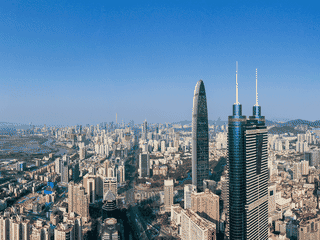

Shenzhen
East Asia · China
Did you know?
- It grew from a market town of 30,000 in 1980 into China's Silicon Valley.
- Shajing oysters are prized locally as the 'milk of the ocean floor.'
- Metro announcements switch among Mandarin, Cantonese, and English.
See also
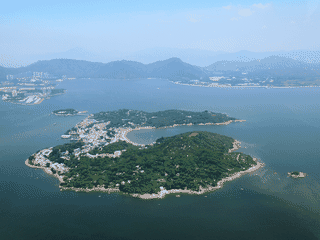

Peng Chau
Hong Kong22.29°N 114.04°E
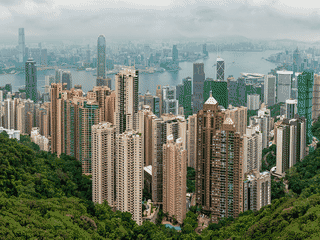

Hong Kong
Hong Kong22.27°N 114.17°E · 7 m
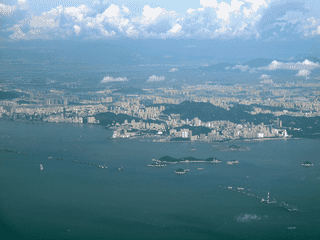

Zhuhai
China22.26°N 113.55°E · 36 m
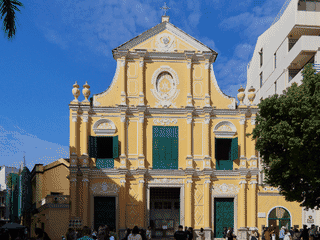

Macau
Macau22.17°N 113.55°E · 22 m
Houjie
China22.94°N 113.67°E
Overview
Shenzhen is a fast-paced tech metropolis that grew from a market town into China's Silicon Valley. Electronics markets, modern architecture, theme parks, mountains, and beaches diversify the city break.
Languages: Chinese
Why Go
Shenzhen is a fast-paced tech metropolis of 20 million people that grew from a market town of 30,000 in 1980 to become China's Silicon Valley. It offers world-class electronics markets where you can fill your backpack with LED strips and gadgets, modern architecture, theme parks popular with Chinese domestic tourists, scenic mountains for hiking, and famous beaches. The city is surprisingly green with parks and trees despite its industrial reputation, and serves as a convenient gateway to Hong Kong, Guangzhou, and other Pearl River Delta destinations.
Adapted from Wikivoyage contributors · CC BY-SA 4.0
Getting In
Shenzhen Bao'an International Airport (SZX) serves domestic and growing international routes. Visa-on-arrival is only available for helicopter arrivals from Macau. The main train stations include Shenzhen Station (Luohu) immediately north of the Hong Kong border crossing, Shenzhen North Station (Minzhi) for high-speed services to Guangzhou South and beyond, and Futian Station (fully underground) for direct high-speed trains to Hong Kong, Guangzhou, Changsha, Wuhan, Zhengzhou, and Beijing. Shuttle services run every 10-15 minutes between Shenzhen Station and Guangzhou East Station, taking approximately 1 hour and costing ¥80 one way.
Adapted from Wikivoyage contributors · CC BY-SA 4.0
Getting Around
Shenzhen is large and spread out, so places are often further apart than they appear on maps. The metro system has good English signage and station announcements (Mandarin, Cantonese, and English), operating from around 06:30 to 23:00. Check a map app to estimate travel times rather than eyeballing distances. The main districts include Futian and Luohu (central), Nanshan (south), and Bao'an (west).
Adapted from Wikivoyage contributors · CC BY-SA 4.0
When to Go
The best time to visit is October to December when weather is pleasantly cool. Shenzhen has a sub-tropical climate with intense humidity and soaring summer temperatures (June to October), coinciding with typhoon season. Spring is cooler but plagued by fog and heavy thunderstorms. Rain comes in sudden bursts that can change within minutes, so be prepared to wait for weather to clear.
Adapted from Wikivoyage contributors · CC BY-SA 4.0
Where to Stay
Most tourists stay in Futian or Luohu near centrally located metro stations. Since 2024, all licensed hotels in China outside restricted areas must accept foreigners by law, though some budget hotels may be unfamiliar with registration procedures. Chinese New Year (usually February) sees prices double or more, though hotel availability remains better than in other cities due to rapid development. Options range from budget hostels to luxury establishments throughout the city.
Adapted from Wikivoyage contributors · CC BY-SA 4.0
Food and Drink
As a migrant city, Shenzhen has all of China's regional cuisines represented, with Guangdong, Hunan, and Sichuan food particularly common. Meals range from hole-in-the-wall establishments (¥40 or less) to opulent food palaces for businessmen (¥100+). Local specialty includes oysters (shenghao) in Shajing, Bao'an district, prized as the 'milk of the ocean floor.' Shenzhen is famous for 'Eat Streets' - agglomerations of cheap restaurants serving diverse Chinese regional cuisines. Kingway Beer costs ¥3.50 per can in supermarkets, ¥9 at 7-Eleven, and ¥12-35 at local restaurants.
Adapted from Wikivoyage contributors · CC BY-SA 4.0
Things to Do
Shenzhen has surprising historic sites dating to the 12th century, including sites related to the Southern Song Dynasty collapse, Ming Dynasty final stand, and Opium Wars. Hakka villages are preserved in eastern Shenzhen. The city excels in design and industry museums, and has a surprisingly rich array of art galleries in downtown and Nanshan. Popular attractions include theme parks, scenic mountains for hiking, and famous beaches. The Shenzhen International Marathon is held annually in mid-December. Many museums close on Mondays.
Adapted from Wikivoyage contributors · CC BY-SA 4.0
Safety
Shenzhen's crime rate compares favorably with American and European cities of similar size. Violent crime is rare, and it's generally safe for women to walk alone at night. Main risks are scams and petty theft - be careful in crowded areas, subway trains, and theme parks. Pickpocketing has decreased due to mobile payments. Be alert for touts around Luohu selling below-standard fakes. Tap water is safe in Meilin district but may not be in other areas - use bottled water provided by hotels. Hepatitis is common in China, spread by undercooked food. Prostitution is common, particularly around Luohu and Shekou.
Adapted from Wikivoyage contributors · CC BY-SA 4.0
Connectivity
Mobile payment apps WeChat Pay and Alipay dominate, and as of 2024 can be linked to foreign credit/debit cards (with transaction limits). Contact your bank before travel. Credit cards are increasingly uncommon; some places charge 10% extra for card purchases or may not have change for cash. The metro system has good English signage. Get a hotel card with your destination in Chinese characters. English is limited outside major tourist areas and hotels.
Adapted from Wikivoyage contributors · CC BY-SA 4.0
Budget
A budget traveler can eat well for ¥40-100 per day. Kingway Beer costs ¥3.50 per can in supermarkets. Metro and bus transport is affordable. Electronics markets offer gadgets at competitive prices. Budget accommodation exists throughout the city, though prices double during Chinese New Year. Currency exchange is available near border crossings and at Futian metro station.
Adapted from Wikivoyage contributors · CC BY-SA 4.0
Day Trips
Hong Kong is just across the border, less than an hour by train from Luohu. Guangzhou (provincial capital) is about one hour by high-speed train or two hours by road. Dongguan is 30 minutes north by train. Huizhou, popular for mountains and beaches, is 40 minutes northeast by bus from Luohu Station. Zhuhai can be reached by ferry from Shekou. Foshan is about an hour by high-speed train. Remember that Hong Kong and Macau require immigration procedures as they are Special Administrative Regions.
Adapted from Wikivoyage contributors · CC BY-SA 4.0
Go Next
The Pearl River Delta offers diverse destinations. Hong Kong ('Asia's World City') is across the border with unique colonial heritage. Guangzhou has centuries of international commerce history with more established culture. Macau offers Portuguese colonial architecture and gambling. Dongguan is another manufacturing center 30 minutes north. Zhuhai is a growing border city like Shenzhen but smaller. Foshan is the birthplace of martial arts legends Wong Fei-hung, Ip Man, and Bruce Lee's ancestral home.
Adapted from Wikivoyage contributors · CC BY-SA 4.0
Field guide adapted from Wikivoyage contributors · CC BY-SA 4.0. Text has been adapted and organized for this guide. About our sources.
Places to know
A few starting points from the guide. Check current hours and prices before you go.
- eat
Eat Streets
Agglomerations of cheap restaurants serving diverse regional Chinese cuisines across small areas of streets and alleys
Adapted from Wikivoyage contributors
- eat
Shajing Oysters
Famous local specialty in Shajing, Bao'an district - oysters called 'milk of the ocean floor'
Adapted from Wikivoyage contributors
- see
Hakka Villages
Well-preserved traditional Hakka villages in eastern Shenzhen
Adapted from Wikivoyage contributors
- see
Lianhuashan Park
Park with civic center views and statue of Deng Xiaoping, architect of Shenzhen's growth
Adapted from Wikivoyage contributors
- see
Longgang Museum of Hakka Culture
Museum showcasing Hakka heritage in Longgang district
Adapted from Wikivoyage contributors
- see
Tianhou Temple
Historic temple in Chiwan, Nanshan district
Adapted from Wikivoyage contributors
- buy
B&Q lang
This British chain offers DIY supplies and goods for the home and garden.
Adapted from Wikivoyage contributors
- buy
Book City
A local chain of large bookstores. The flagship store, which claims to be the biggest bookshop in the world, is in the middle of Shenzhen/Center
Adapted from Wikivoyage contributors
Before you go
Accommodation
Since 2024, licensed hotels must accept foreigners. Budget hotels may struggle with registration. Chinese New Year (February) sees doubled prices but rooms still available.
Connectivity
WeChat Pay and Alipay can link foreign cards with transaction limits. Check with your bank before travel. Metro and major attractions have English signage. Get hotel address card in Chinese characters.
Language
Mandarin is primary due to migrant population; Cantonese still common especially in service industry. Taxi drivers speak Mandarin. Metro announcements in Mandarin, Cantonese, and English. English limited outside tourist areas.
Money
Mobile payments WeChat Pay and Alipay dominate; cash is increasingly inconvenient. Some shops charge 10% extra for credit cards. Be careful of receiving Hong Kong dollars as change - they're worth less than Yuan. ATMs available near border crossings and Futian metro station.
Safety
Low violent crime rate; safe for solo women at night. Watch for pickpockets in crowded areas and petty scams near Luohu. Tap water safe in Meilin district only - use bottled water elsewhere.
Transport
Metro has English signage and announcements; major stations include Luohu (Shenzhen Station), Futian, and Shenzhen North. High-speed trains to Guangzhou (¥80, 1 hour), Hong Kong, and major cities. Shuttle buses connect train stations.
Visa
Standard Chinese tourist visa required. Hong Kong and Macau are Special Administrative Regions requiring separate procedures and count as leaving China for visa purposes.
Weather
Best visited October-December when cool. Summer (June-October) is hot, humid, and typhoon season. Spring has fog and thunderstorms. Rain comes in sudden bursts - wait a few minutes for it to clear.