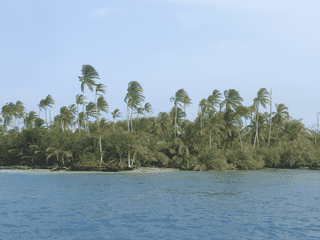

San Blas Islands
Mexico, Central America and the Caribbean · Panama
Did you know?
- Boats link villages and visitor islands, while walking handles movement ashore.
- The Dog Islands offer shallow-water snorkeling among tropical fish and coral.
- Village visits offer opportunities to buy molas directly from their makers.
See also
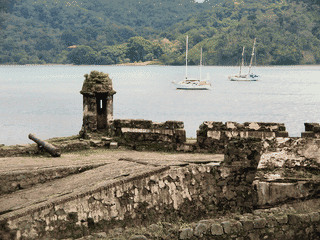

Portobelo
Panama9.55°N 79.65°W
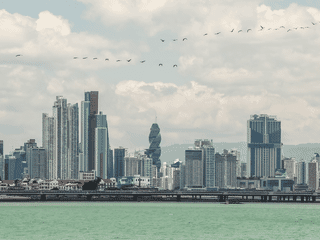

Panama City
Panama9.00°N 79.54°W · 20 m
Overview
Guna traditions shape daily life across this Caribbean archipelago. Colorful molas and beaded jewelry connect visitors with the islands' living culture.
Languages: Spanish
Why go?
The San Blas Islands offer a rare glimpse into indigenous Caribbean life untouched by mass tourism. The Kuna Yala self-governed archipelago comprises 365 islands where traditional customs, colorful molas, and beaded jewelry remain central to daily life. Pristine white sand beaches, world-class snorkeling in the Dog Islands, and the simplicity of island life attract travelers seeking authentic experiences far from development. This is a destination for flexible, adventure-minded travelers who can handle basic accommodations and unpredictable boat schedules.
Adapted from Wikivoyage contributors · CC BY-SA 4.0
Getting in
Most travelers reach San Blas from Panama City via the village of Cartí, taking a 2.5-3 hour colectivo minibus ride (approximately $25-30 USD one way) or organizing private transport through hotels. From Cartí, speedboats depart for island accommodations ($15-25 per person). Independent sailors can anchor in thearchipelago; some travelers arrive via sailboat from Cartagena, Colombia. There are no commercial airports on the islands; the nearest airstrip is in Puerto Obaldia for charter flights.
Adapted from Wikivoyage contributors · CC BY-SA 4.0
Getting around
Inter-island transport relies entirely on boats; there are no roads or vehicles on the islands. Speedboats and pangas (traditional wooden boats) connect villages and tourist islands, with costs varying by distance ($5-20 between destinations). Hiring a private panga for island hopping can cost $50-100 per day. Walking is the main mode of transport on inhabited islands, which are often only a few hundred meters across.
Adapted from Wikivoyage contributors · CC BY-SA 4.0
When to go
The dry season from December to April offers the best weather with calm seas and clear water ideal for snorkeling and swimming. The wet season (May-November) brings rougher seas, occasional storms, and some islands become inaccessible. Peak tourist season coincides with North American and European winters. Kuna villages host traditional festivals and gatherings throughout the year that visitors can observe by arrangement.
Adapted from Wikivoyage contributors · CC BY-SA 4.0
Where to stay
Accommodations consist of rustic island hotels and lodges offering all-inclusive packages ($80-150 per night including meals, boat trips, and island visits). Rooms are typically simple thatched huts with shared bathroom facilities—walls may be see-through at night and neighbors' conversations audible. Water and electricity are limited; generators may shut down after dinner. Advance booking through Panama City tour operators is recommended, as most independent booking options require Spanish or local contacts.
Adapted from Wikivoyage contributors · CC BY-SA 4.0
Food and drink
Meals at island hotels typically feature freshly caught fish, crab, and lobster served with basic vegetables like yucca, tomatoes, carrots, and potatoes. The Kuna diet is traditionally simple with limited variety. Small village restaurants offer basic dishes, and tiny grocery stores stock essentials, though ice is scarce throughout the region. Beer and sodas are available at some island stores. Travelers should bring their own snacks and specialty items, as Western food options are essentially nonexistent.
Adapted from Wikivoyage contributors · CC BY-SA 4.0
Things to do
Snorkeling in the Dog Islands reveals abundant tropical fish and colorful coral in warm, shallow waters. Most islands charge a $1 per person fee for beach access, sunbathing, and swimming. Hotels include day trips to pristine cays where visitors can snorkel, sunbathe, and relax for several hours. Kayaking between islands, sport fishing, and sailing charters are available through some operators. Hiking opportunities exist on the mainland portion of Kuna Yala territory.
Adapted from Wikivoyage contributors · CC BY-SA 4.0
Safety
The San Blas Islands are generally safe for tourists with the Kuna being friendly and welcoming. Occasional drug trafficking occurs via fast boats from Colombia late at night but does not target or affect visitors. Yachts and sport fishing boats pass through but generally keep to themselves. Standard precautions against petty theft apply. The remote location means medical facilities are limited; carry a well-stocked first aid kit and any prescription medications.
Adapted from Wikivoyage contributors · CC BY-SA 4.0
Connectivity
Wi-Fi is virtually nonexistent on the islands; prepare to disconnect completely. Cellular coverage is provided by +movil and Digicell across most islands, while Claro and Movistar have very limited reach. South toward Colombia, coverage drops entirely—some islands like Caledonia lack even landlines or electricity. Travelers heading onward to Colombia should arrange connectivity separately.
Adapted from Wikivoyage contributors · CC BY-SA 4.0
Budget
A daily budget of $80-150 covers mid-range all-inclusive accommodation, meals, boat transport, and activities. Budget travelers sharing basic huts might manage $60-80 per day, while luxury sailboat charters run $200+ daily. Transport from Panama City adds $50-70 round trip. Cash (US dollars or balboas) is essential as card payments are not accepted anywhere in the islands.
Adapted from Wikivoyage contributors · CC BY-SA 4.0
Day trips
The uninhabited Cayos (small keys) offer pristine beach experiences with snorkeling directly off white sand shores. The Dog Islands provide the best snorkeling with diverse marine life in clear, shallow waters. Kuna village visits offer cultural immersion and opportunities to purchase authentic molas directly from artisans. Some travelers combine San Blas with overland journeys to Sapzurro and Capurganá in Colombia.
Adapted from Wikivoyage contributors · CC BY-SA 4.0
Go next
Puerto Obaldia on the mainland offers a small community and potential charter flights. Capurganá in Colombia is reachable by boat and popular among overlanders. Turbo, Panama provides ferry connections and onward bus travel. Cartagena, Colombia is a major destination for travelers continuing south, accessible via sailboat or flight combinations through Panama City.
Adapted from Wikivoyage contributors · CC BY-SA 4.0
Field guide adapted from Wikivoyage contributors · CC BY-SA 4.0. Text has been adapted and organized for this guide. About our sources.
Places to know
A few starting points from the guide. Check current hours and prices before you go.
- sleep
Gardi (Cartí) Village Hotels
Basic island lodges serving as the main tourist hub with all-inclusive packages and organized day trips.
Recorded price: $80-150 per night all-inclusive
Adapted from Wikivoyage contributors
- sleep
Remote Island Cabanas
Ultra-remote accommodations on pristine uninhabited islands for travelers seeking complete isolation.
Recorded price: $100-180 per night all-inclusive
Adapted from Wikivoyage contributors
- eat
Hotel Restaurants
Included with accommodation, serving fresh-caught fish, lobster, crab with basic vegetables.
Adapted from Wikivoyage contributors
- eat
Village Grocery Stores
Tiny stores selling basic essentials, beverages, and limited food items.
Adapted from Wikivoyage contributors
- buy
Beaded Jewelry
Colorful traditional Kuna jewelry including armbands, leg beads, and necklaces.
Recorded price: $5-50 depending on size and detail
Adapted from Wikivoyage contributors
- do
Dog Islands Snorkeling
Best snorkeling in San Blas with abundant tropical fish in shallow, clear warm waters.
Recorded price: $1 island use fee + boat transport
Adapted from Wikivoyage contributors
- do
Island Beach Days
Pristine white sand beaches on tiny cays with $1 per person access fee, included in hotel day trips.
Recorded price: $1 per person island fee
Adapted from Wikivoyage contributors
- do
Kuna Village Visits
Cultural immersion opportunities to observe traditional Kuna daily life and purchase authentic molas.
Recorded price: Free to visit; mola purchases variable
Adapted from Wikivoyage contributors
Before you go
Accommodation
All accommodations are very basic huts with shared facilities and limited electricity. All-inclusive meal packages are standard due to lack of restaurants. Book through Panama City operators.
Connectivity
Expect no Wi-Fi and limited cellular coverage (+movil and Digicell work best). Disconnect entirely or arrange connectivity before departing Panama City.
Food
Diet is based on locally caught seafood with limited vegetables. Bring specialty snacks if needed. Ice and Western foods are not available.
Health
Medical facilities are extremely limited in the islands. Bring comprehensive first aid supplies, prescription medications, and any expected treatments from Panama City before departure.
Money
US dollars and balboas are accepted throughout San Blas. No ATMs exist on the islands—bring all necessary cash from Panama City. Most transactions are cash-only with no card facilities.
Safety
The region is generally safe for tourists. Drug trafficking boats pass through but do not target visitors. Standard precautions against petty theft apply.
Transport
Getting to San Blas requires a minibus from Panama City to Cartí (2.5-3 hours), then speedboat to islands. Weather can delay departures significantly—build buffer days into your schedule.
Water
Potable water is not reliably available. Locally piped water comes directly from mainland streams without filtration. Tourists should bring their own drinking water and avoid ice from local sources.