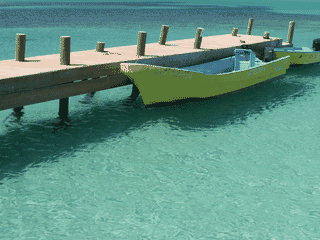

Roatán
Mexico, Central America and the Caribbean · Honduras
Did you know?
- Lobster and Argentinian steaks appear on local restaurant menus.
- The coastal road links West Bay, West End, Sandy Bay and Coxen Hole.
- An exposed ancient coral reef underlies the island.
See also
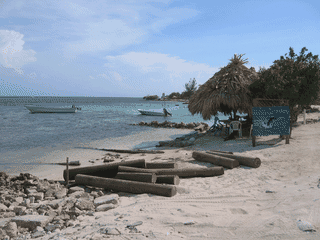

Útila
Honduras16.10°N 86.93°W · 0 m
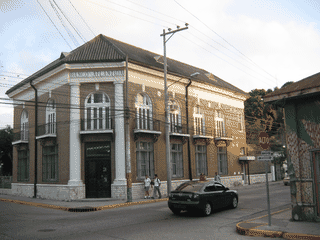

La Ceiba
Honduras15.77°N 86.83°W · 3 m
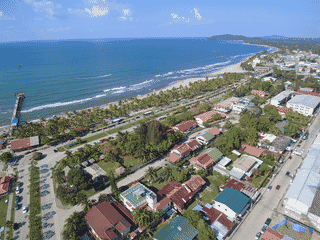

Tela
Honduras15.78°N 87.47°W · 3 m
Overview
Roatán is a Caribbean island shaped by an ancient coral reef. Scuba diving and snorkeling are central draws.
Languages: Spanish
Why Go?
Roatán sits on an exposed ancient coral reef near the Caribbean's second-largest barrier reef (after Australia's Great Barrier Reef), making it a world-class scuba and snorkeling destination without Australian prices. The island blends Caribbean beach culture with Honduran authenticity—West End village has beach bars and dive shops, while the east end around Oak Ridge and Camp Bay feels like the Honduras tourists rarely see. Budget travelers can find dorm beds from US$12, lobster dinners for around US$10, and plenty of beach bar nightlife without resort prices.
Adapted from Wikivoyage contributors · CC BY-SA 4.0
Getting In
Juan Manuel Gálvez International Airport (RTB) handles flights from the US, with several airlines offering non-stop weekend flights from American hubs. The island is also a cruise ship port, and day-trippers arrive by boat from cruise ships. Overland access requires ferry from mainland Honduras—La Ceiba is the main departure point for boats to both Roatán and neighboring Útila.
Adapted from Wikivoyage contributors · CC BY-SA 4.0
Getting Around
A paved road runs along the western and central parts of the island from West Bay through West End, Sandy Bay, Coxen Hole, French Harbour, and Oak Ridge, then becomes dirt road heading east to Camp Bay and Port Royal. Taxis are the primary form of motorized transport and can be flagged anywhere; most drivers accept US dollars. Scooter rentals are popular in West End and Punta Gorda—driving to Punta Gorda takes about one hour each way through scenic countryside. The east end road from Oak Ridge to Camp Bay is manageable in compact cars and scooters despite the pavement-to-dirt transition.
Adapted from Wikivoyage contributors · CC BY-SA 4.0
When to Go
Roatán has a tropical climate with warm temperatures year-round. The dry season runs roughly December through April, making these months the most popular for tourists. Mosquitoes and sand fleas (no-see-ums) are most active during wetter months and at dawn and dusk year-round. Avoid visiting when cruise ships are in port if you want to avoid inflated prices—prices for food, goods, and services can double to quadruple when large ships are docked. The island attracts fewer visitors during the week between Saturday cruise ship arrivals.
Adapted from Wikivoyage contributors · CC BY-SA 4.0
Where to Stay
Accommodations range from US$4-400 per night, though note that quoted prices usually do not include 19% tax. West Bay is beachfront and tourist-oriented with condos and resorts; West End has the backpacker scene with hostels like Buena Onda (US$12 dorms) and the Coconut Tree area. Sandy Bay offers mid-range options near Anthony's Key Resort. The east end around Oak Ridge and Camp Bay has rustic accommodations like Marble Hill Farms (dorms from US$20) and Camp Bay Beach Beach Adventure Lodge, offering more local Honduras feel. Coxen Hole has budget options near the airport.
Adapted from Wikivoyage contributors · CC BY-SA 4.0
Food and Drink
Seafood is abundant and affordable—top-quality lobster dinners run around US$10. Argentinian steaks are popular at mid-range restaurants. West End and West Bay have slightly pricier restaurants than mainland Honduras but food quality is high. Gio's in French Harbour offers a nicer dining experience for expats and islanders who can afford dining out. Hole in the Wall (reachable by water taxi from Jonestown) is a hidden gem with all-you-can-eat lobster and steak on Sundays and Wednesdays. An Aussie-run food caravan on the main road serves cheap food late. Street food and local eateries are available in Coxen Hole and among local communities. The island's pub crawl is practically mandatory: start at Sundowners for sunset, move to Purple Turtle for live music, continue to Nova Bar or Twisted Toucan's for local vibes, then FuBar for late-night beach adventure.
Adapted from Wikivoyage contributors · CC BY-SA 4.0
Things to Do
Diving is the island's main attraction—dive shops like Coconut Tree Divers (~US$30/dive), Barefoot Divers (US$80-475 for courses), and Tyll's Dive (from US$25/dive) offer everything from beginner discover programs to professional dive master training, with multiple daily boat dives and night dives. Non-divers can snorkel right off West Bay Beach or take boat tours. The Carambola Gardens offer botanical exploration; the Caves of Helen provide adventure; the Roatán Butterfly Garden (US$7 adults) houses 15-20 species in a 3000 sq ft enclosure. East end exploration takes you to Camp Bay Beach (the largest Bay Island beach), Marble Hill Farms for local jams and jellies, and Asylum bar on a palapa over calm waters. Garifuna Village Tours in Punta Gorda and the Mangrove Forest Kayak tours at Camp Bay offer cultural and nature experiences. Anthony's Key Resort has a dolphin show and Marine Science Museum.
Adapted from Wikivoyage contributors · CC BY-SA 4.0
Safety
Mosquitoes are most active at dawn and dusk and can carry malaria and dengue fever—use DEET- or Picaridin-based repellent when exiting your room and throughout the day. Sand fleas (no-see-ums) concentrate in coastal areas; their bites itch for days or weeks and reactions are highly individual, ranging from mild discomfort to oozing sores that take months to heal. Wear long pants and long-sleeve shirts when on beaches, especially at dawn and dusk. Cruise ship days see prices double to quadruple—wait until ships leave to buy anything. Standard precautions apply against petty theft in tourist areas.
Adapted from Wikivoyage contributors · CC BY-SA 4.0
Connectivity
WiFi is available at many accommodations and restaurants, particularly in West End and West Bay—JavaVine Cafe offers free WiFi, and The Beach Club San Simon has free WiFi. Mobile coverage exists through Honduran carriers but data speeds vary. Power plugs use US-style 110V, same as North America, so American devices plug in without adapters. Coconut Tree Cabins offer air-con and refrigerator in cabins, and Buena Onda Hostel provides free WiFi.
Adapted from Wikivoyage contributors · CC BY-SA 4.0
Budget
Backpacker daily budget can be managed on US$40-60/day including budget accommodation (dorms from US$12, budget rooms from US$45), street food and local restaurants (meals US$5-15), local transport (taxis, scooters), and diving/snorkeling activities. Mid-range travelers spending US$80-150/day can access better rooms, restaurant dinners with lobster, dive trips, and bar hopping. Accommodations with tax added run 19% higher than quoted prices—factor this into planning. Cruise ship days inflate prices significantly.
Adapted from Wikivoyage contributors · CC BY-SA 4.0
Day Trips
Neighboring Bay Islands make excellent day trips or short stays—Útila is known for budget diving and backpacker culture, while Guanaja is more remote and less developed. The Pigeon Cayes are deserted islands reachable by boat for day excursions. Mainland La Ceiba is accessible by ferry for those continuing overland through Honduras. French Harbour and Sandy Bay are easily visited as half-day trips from West End. Oak Ridge and the east end villages offer exploratory day trips with water taxi tours, colorful houses on stilts, and access to remote beaches.
Adapted from Wikivoyage contributors · CC BY-SA 4.0
Etiquette
Bargaining is expected and accepted for local handicrafts—start negotiations expecting to end at 40-60% below the initial asking price. Tipping is customary at restaurants (10-15%) and for services like diving guides. Dress codes are casual beachwear throughout tourist areas, though modest dress is appreciated when visiting Garifuna villages. English is widely understood in tourist zones, but learning some Spanish phrases is appreciated and helpful in local communities.
Adapted from Wikivoyage contributors · CC BY-SA 4.0
Go Next
From Roatán, continue to the other Bay Islands—Útila for budget diving and backpacker scene, Guanaja for remote Caribbean exploration. Mainland Honduras destinations include La Ceiba (gateway, nightlife, mainland connections), San Pedro Sula (industrial hub, Copa route), and Tegucigalpa (capital city, museums, historical sites). The Bay Islands are in the Caribbean Sea, making island-hopping between the three main islands a logical next step. Ferries run between Roatán and Útila, and boats connect to La Ceiba on the mainland.
Adapted from Wikivoyage contributors · CC BY-SA 4.0
Field guide adapted from Wikivoyage contributors · CC BY-SA 4.0. Text has been adapted and organized for this guide. About our sources.
Places to know
A few starting points from the guide. Check current hours and prices before you go.
- eat
Asylum
A Beach Bar on the end of a 40-ft dock stretching into the waters. Offers fishing trips on the Cayuca boat. Reef snorkel a few hundred meters from the dock, bring your own snorkeling gear, or rent a package for US$5 a day. Camp on the beaches of Asylum for free with your own equipment, or rent a camping package for $5 a night. Local residents of Roatán can utilize the camping packages for free. Asylum's Mermaid Grill will cook any fish you catch and prepare a meal for you.
Recorded price: moderate
Adapted from Wikivoyage contributors
- eat
Gio's
Longtime mainstay in French Harbour for expats and islanders who can afford dining out, specializing in seafood
Adapted from Wikivoyage contributors
- eat
Hole in the Wall
All-you-can-eat lobster and steak on Sunday and Wednesday. This restaurant is a hidden gem on the island. It is very popular with the people who own vacation homes on the island. It is low-key, and has some of the best food offered on the island.
Adapted from Wikivoyage contributors
- eat
Hot Dog Hut
Serves hotdogs, chili dogs, chicken salad sandwiches and daily specials. Offers a variety of toppings such as tequilla caramalised onions, Habanero aioli and sauerkraut.
Recorded price: US$1-5
Adapted from Wikivoyage contributors
- eat
Ooloonthoo Restaurant
The only Indian restaurant in Honduras. Progressive Indian cuisine. Air-com dining and year round sunset views. Reservations required.
Recorded price: $40
Adapted from Wikivoyage contributors
- eat
Pizza Mira Bella Napoli
Brick oven fired Napoli style pizza available with a variety of toppings including gorgonzola & broccoli.
Adapted from Wikivoyage contributors
- eat
Rendezvous Sushi Grill
Sushi. Quiet, romantic and away from the 'boom, boom, boom' of the beach. Reservations required.
Adapted from Wikivoyage contributors
- eat
Smugglers Beach Bar & Grill
Serves Monster Nachos with choice of chicken, steak or lobster. Also lobster burger & fresh quesadillas.
Recorded price: US$1-20
Adapted from Wikivoyage contributors
Before you go
Accommodation
Quoted prices usually exclude 19% tax. Budget dorms from US$12, mid-range rooms US$45-130, luxury condos US$200-475. West End has backpacker scene; West Bay is beachfront resort area.
Bargaining
Bargaining expected for local handicrafts—start low and negotiate to 40-60% of initial asking price. Fixed prices at restaurants and hotels.
Connectivity
WiFi available at most accommodations and restaurants in West End and West Bay. Power uses US 110V—North American devices work directly. Mobile data available through Honduran carriers.
Culture
English widely spoken in tourist areas; Spanish and Garifuna also common. Garifuna people are descendants of St. Vincent's Kalipuna peoples. Bargaining expected for handicrafts—aim for 40-60% below asking price.
Emergency
Call 911 for police and emergency services. Maritime search and rescue available by radio. For medical emergencies, basic care on island; serious cases require mainland evacuation.
Food
Lobster dinners around US$10. Seafood abundant. West End restaurants slightly pricier than mainland. Food caravans serve cheap late-night eats. Hole in the Wall does all-you-can-eat lobster and steak Sundays and Wednesdays.
Health
Bug repellent essential year-round. Public water not potable—buy bottled water. Medical facilities limited on island; serious cases may require evacuation to mainland.
Language
English is native for many islanders, especially West End and West Bay. Spanish is official language of Honduras and taught in schools. Garifuna spoken by Garifuna community. 'Island Talk' is local Caribbean dialect.
Money
US dollars are generally accepted island-wide, though change is given in Honduran lempiras. Exchange rates at hotels and tourist areas are not favorable—use local lempiras for better value. Cruise ship days double to quadruple prices for everything.
Packing
Bring DEET or Picaridin bug repellent, long pants for beach evenings, US-style power adapters (though 110V matches North America). Reef-safe sunscreen if diving.
Safety
Mosquitoes at dawn/dusk can carry malaria and dengue—use DEET repellent. Sand flea bites itch for days and reactions vary from mild to severe sores. Wear long sleeves and pants on beaches, especially at dawn/dusk.
Tipping
Restaurant tipping 10-15% customary. Dive guides and tour operators appreciate tips. Hotel housekeeping tips appreciated but not expected.
Transport
Taxis flag anywhere on the island; scooters popular in West End and Punta Gorda. Paved road covers west and central areas; east end road turns to dirt. Water taxis serve Oak Ridge and coastal restaurants.
Water
Tap water is not safe to drink. Bottled water widely available in grocery stores and hotels.
Weather
Tropical climate year-round. Dry season December-April most popular. Wet season May-November brings more mosquitoes. Hurricane season June-November.