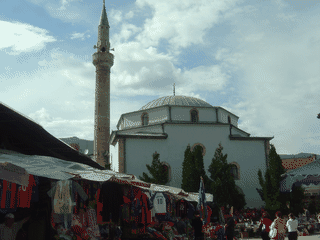

Peja
Eastern Europe and the Balkans · Kosovo
Did you know?
- The Old Long Bazaar is also called Çarshia e Gjatë.
- The city sits at the foot of Rugova Canyon.
- The Patriarchate contains domed churches from the 13th and 14th centuries.
See also
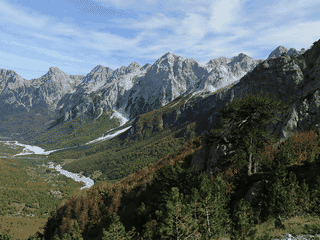

Valbona Valley National Park
Albania42.45°N 19.89°E
Overview
Peja combines an Ottoman bazaar with access to the Accursed Mountains. Monasteries and mountain trails give visitors a mix of cultural stops and outdoor exploration.
Languages: Albanian, Serbian
Why Go
Peja offers a rare combination: two UNESCO World Heritage Sites (the Patriarchate of Pec and Decan Monastery), a well-preserved Ottoman bazaar, and immediate access to the Bjeshkët e Nemuna (Accursed Mountains). The city sits at 521m elevation at the foot of Rugova Canyon, making it a natural base for hikers and culture seekers alike. Compared to Kosovo's capital Pristina, Peja feels more compact and orientated around outdoor access.
Adapted from Wikivoyage contributors · CC BY-SA 4.0
Getting In
Peja has an inter-city bus station with connections throughout Kosovo and into Montenegro. Direct buses run to Pristina (capital), Prizren (2 hours), Gjakova (36 km, 45 minutes), and Montenegro cities including Plav, Rožaje (daily at 13:30, €5), and Podgorica (6-7 hours, €14). The journey from Prizren takes around 2 hours by bus.
Adapted from Wikivoyage contributors · CC BY-SA 4.0
Getting Around
Walking is the best way to explore central Peja—streets are compact and most sights cluster around the old bazaar and main square. Taxis are numerous and affordable, with most rides under €2. City buses cover routes for €0.50 per trip. The bus station and railway station are located near the center for onward travel.
Adapted from Wikivoyage contributors · CC BY-SA 4.0
When to Go
Peja has a continental climate: cold winters (ideal for skiing at Bogë resort) and relatively hot summers. Autumn brings heavy rains; spring has mild temperatures. Winter draws skiers to the Accursed Mountains when stages and escalators operate on improved roads. Summer is best for hiking and river activities—bring layers for mountain trails.
Adapted from Wikivoyage contributors · CC BY-SA 4.0
Where to Stay
Accommodation ranges from budget hostels to mid-range hotels with spa facilities. Hostel Saraç offers the best backpacker value at €10, set in a preserved 1960s house near the center. Hotel Dukagjini (main square) provides mountain views, an indoor pool, Turkish bath, and free WiFi. For mountain access, consider Hotel Rugova Camp or Hotel Guri i Kuq in Rugova Canyon.
Adapted from Wikivoyage contributors · CC BY-SA 4.0
Food & Drink
Peja's gastronomy features authentic dishes: flija (corn pie), kaqamak, boiled cheese, leqenik, and hearty corn bread. Traditional and oriental cuisine are widely available in restaurants. The city is famous for Birra Peja beer (brewed with water from Drini i Bardhë spring) and local raki—try monastery-aged raki at the Patriarchate (110 proof, served by the attending nun). Wine from the Rahovec region is sold as house wine in restaurants and supermarkets.
Adapted from Wikivoyage contributors · CC BY-SA 4.0
Things to Do
Visit the UNESCO-listed Patriarchate of Pec (13th-14th century domed churches, €2 entrance, passport required) and Decan Monastery (14th century frescoes, guarded by KFOR). Explore the Old Long Bazaar (Çarshia e Gjatë) for artisan shops and the restored Konaku i Jashar Pashës. Outdoor enthusiasts can hike Liqenat Lake (1 hour from Guri i Kuq restaurant, stunning views), try Via Ferrata with Balkan Natural Adventure or Rugova Experience (€15), or paraglide over the city (€50 tandem). Bogë ski resort offers low-cost skiing 33 km northwest.
Adapted from Wikivoyage contributors · CC BY-SA 4.0
Safety
Peja is generally safe for travelers. Standard urban precautions apply: watch belongings in crowded markets and avoid isolated areas after dark. Tap water is safe to drink—sourced from mountain springs. Smoking is common in cafés and public spaces. Kosovo has unresolved political status; some areas near borders may have periodic tensions.
Adapted from Wikivoyage contributors · CC BY-SA 4.0
Connectivity
Most cafés in Peja's center offer free WiFi; even establishments without their own network often share connections from neighbors. Sweet Bean café is non-smoking and serves food alongside coffee (macchiato €0.50). For mobile data, local SIM cards are available from Kosovo providers.
Adapted from Wikivoyage contributors · CC BY-SA 4.0
Budget
Peja is budget-friendly. Hostel beds start at €10; budget hotels have doubles from €50. Street food and traditional dishes run €2-5 per meal. Local beer (Birra Peja) costs €1-2 in cafés. Activities like hiking tours (€15), paragliding (€50), or horseback riding (€10/hour) offer good value. Daily budget of €30-50 covers accommodation, meals, and activities.
Adapted from Wikivoyage contributors · CC BY-SA 4.0
Day Trips
Gjakova (36 km, 45 min by bus) holds the largest Ottoman-era bazaar in the Balkans—essential for shopping and architecture lovers. Rugova Canyon is accessible within an hour from Peja, with waterfalls at the 5th and 6th km markers. The Drini i Bardhë waterfall near Radavc village is a summer highlight, accessed via a scenic narrow road. Bjeshkët e Nemuna mountain villages (Shtupeq i Vogël, Bogë, Drelaj) offer day-hike opportunities with traditional guesthouses.
Adapted from Wikivoyage contributors · CC BY-SA 4.0
Etiquette
Conservative dress is appropriate when visiting mosques and monasteries—cover shoulders and knees. Remove shoes when entering mosques. Smoking is pervasive; non-smokers should request outdoor terraces. Raki is traditionally drunk as a digestif after meals or to warm up in cool mountain evenings. Bargaining is acceptable in bazaar markets but not in cafés or restaurants.
Adapted from Wikivoyage contributors · CC BY-SA 4.0
Go Next
From Peja's bus station: Gjakova (36 km, 45 min) for the Ottoman bazaar; Prizren (2 hours) for its historic center and castle views; Pristina (capital). Montenegro connections: Plav, Rožaje (daily at 13:30, €5), and Podgorica (6-7 hours, €14). To reach Albania, travel via Gjakova or Prizren. For North Macedonia, go through Pristina to Skopje.
Adapted from Wikivoyage contributors · CC BY-SA 4.0
Field guide adapted from Wikivoyage contributors · CC BY-SA 4.0. Text has been adapted and organized for this guide. About our sources.
Places to know
A few starting points from the guide. Check current hours and prices before you go.
- see
Accursed Mountains
Have a day trip or stay longer in this beautiful area.
Adapted from Wikivoyage contributors
- see
Bajrakli Xhamia Mosque
One of the most important architectonic and sacred Ottoman buildings in Peja. It was built in the second half of the 15th century. It's a one-level structure finished with a dome on top and graves around. The construction of the mosque is dedicated to Fatih Sultan Mehmet. It is known by the citizens of Peja as Bajrakli or Çarshi Xhamia.
Adapted from Wikivoyage contributors
- see
Bankkos Building
Building was home to the local branch of Bankkos, the only bank of socialist-era Kosovo. The building stands as an imposing architectural protected monument, now unused.
Adapted from Wikivoyage contributors
- see
Bjeshkët e Nemuna
There you could find many natural beauties and resources:
Adapted from Wikivoyage contributors
- see
Catholic Church
It was built in 1928. As a parish, the Church Saint Katarina is existing from the period of Koncili the First of Arberi (1703) leaded by the Pope Clemente.
Adapted from Wikivoyage contributors
- see
Decan monastery
This medieval Serbian monastery is still guarded by KFOR (NATO forces in Kosovo) and you will be required to surrender your passport to enter. The frescoes in the church are in great condition and the small gift shop sells monastery-made cravings, icons, raki and wine.
Adapted from Wikivoyage contributors
- see
Drini river
A waterfall 1 km west from R106 road; at Radac is the spring of Drini river.
Adapted from Wikivoyage contributors
- see
Goskaj Towerhouse
You can visit the 19th-century where Regional Institute for the Protection of Cultural and Historical Monuments is. The towers are a proof of the special architecture used in construction and also the expertise of the local population in craving stones. The tower should be seen from inside as well especially the living and guests’ room with a unique chimney, shelves, window cases and with a selling all wrapped with wood and handcrafted with a lot of expertise.
Adapted from Wikivoyage contributors
Before you go
Connectivity
Free WiFi is common in cafés. Most bars have internet access. Sweet Bean café is non-smoking and serves food.
Food
Traditional dishes include flija, kaqamak, and boiled cheese. Birra Peja beer is ubiquitous. Try monastery raki at the Patriarchate (110 proof).
Money
Euro (€) is the local currency. Most cafés and restaurants accept cash; smaller establishments may be cash-only. ATMs available in the center.
Safety
Generally safe for travelers; standard urban precautions apply. Smoking is common in all public spaces.
Transport
Local buses cost €0.50; taxis rarely exceed €2. Inter-city buses connect Peja to Pristina, Prizren, Gjakova, and Montenegro.
Visa
Kosovo has its own immigration policies separate from Serbia. Check entry requirements for your nationality before traveling.
Water
Tap water from mountain springs is safe to drink throughout Peja.
Weather
Continental climate: cold snowy winters (ski season at Bogë), hot summers, heavy autumn rains. Spring has mild temperatures—ideal for hiking.