.jpg)
Pristina
Eastern Europe and the Balkans · Kosovo
Did you know?
- The Ottoman Clock Tower dates to the 19th century.
- Bosnian-style banjallucki qebab appears on the local fast-food menu.
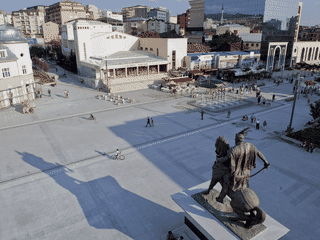
- The Museum of Kosovo stands out with its yellow exterior.
See also
Overview
Pristina layers Ottoman heritage, communist-era concrete and architecture from the years after independence. The mix gives the city a varied urban landscape to explore.
Languages: Albanian, Serbian
Why Go
Pristina is Europe's newest capital, a city where centuries-old Ottoman heritage competes with communist-era concrete and post-independence modern structures. The city of 227,000 offers a palpable energy along the main boulevard Rr Nënë Terezë (Mother Teresa St.), where locals and internationals mingle in vibrant café culture. Despite its chaotic architecture, Pristina hosts constant festivals and events, making it a compelling stop for travelers seeking authentic Balkan character away from more touristed capitals.
Adapted from Wikivoyage contributors · CC BY-SA 4.0
Getting In
Pristina International Airport (Slatina village) is the only airport in Kosovo, operating 24/7 and located 15 km from the city center. Direct flights connect from Austria, Belgium, Denmark, Finland, France, Germany, Italy, Norway, Sweden, Switzerland, Turkey, and the UK. The central bus station (Stacioni i Autobusëve) on Lidhja e Pejës st operates 04:00-00:00, with buses departing regularly throughout the Balkans. Trains run occasionally from Peja to Pristina Train Station on Tirana St near Garibaldi St.
Adapted from Wikivoyage contributors · CC BY-SA 4.0
Getting Around
The city centre is small and walkable, though pedestrians should watch for drivers who often use sidewalks and ignore intersections. Urban buses operate on multiple lines (map is general guide only). Taxis are affordable; radio taxi drivers know most major restaurants. A terminal fee of at least €0.50 applies when buying bus tickets inside the station.
Adapted from Wikivoyage contributors · CC BY-SA 4.0
When to Go
Pristina experiences continental climate with cold winters (often below freezing) and warm summers. The city hosts numerous festivals throughout the year, including the FemArt festival for feminist concepts, Meeting of Styles for street art, ReMusica for contemporary music, and Polip International Literature Festival in May. Christmas markets appear on the main boulevard in November-December. Summer is ideal for outdoor café culture and park activities.
Adapted from Wikivoyage contributors · CC BY-SA 4.0
Where to Stay
Accommodation can be expensive as prices cater to international workers on expense accounts. Budget travelers can find fliers offering rooms for €10-15 per night. Hostels include Hostel Pristina (€8-12 per person) with free pickup from bus station for groups of 3+, and Velania Guesthouse (€13-30) with 24-hour internet. Mid-range options include Hotel Begolli (sgl €50, dbl €65) near Mother Teresa Street with free breakfast and parking.
Adapted from Wikivoyage contributors · CC BY-SA 4.0
Food and Drink
Traditional qebabtores and Turkish doner shops offer authentic local food at great value (best ones near Pejton Place, by UNDP). Try banjallucki qebab (Bosnian-style) at Sarajevo Fast Food. Burek places are ubiquitous: Piccadilly-Burektore (€1.20, 07:00-15:00) behind National Theatre, or Burektore Dini (€2.30, M-F 09:00-14:00). Kosovo macchiato (stronger, shorter latte) is a local specialty at cafés throughout town. Local beer includes Peja lager, Pristina, Gremo Beer, and craft Sabaja. Rahovec wines from the southwest are served heavy-poured for fair prices.
Adapted from Wikivoyage contributors · CC BY-SA 4.0
Things to Do
Walking tours (offered twice weekly from Buffalo Backpackers, Han Hostel, or The White Tree) cover the 19th-century Ottoman Clock Tower, Fatih Mosque, yellow Museum of Kosovo, and Ethnological Museum. Climb the Mother Teresa Cathedral tower for €1.50 for panoramic views. Visit the Newborn monument (unveiled 2008, paint scheme changes yearly), the National Library with its 99 domes, and Gërmia Park with swimming pool and hiking trails. The Bear Sanctuary in Mramor village (€2 entry, €1 by bus) rescues formerly captive brown bears.
Adapted from Wikivoyage contributors · CC BY-SA 4.0
Connectivity
English is commonly spoken in central Pristina, especially among international workers. The further from center, the less English you'll encounter, though young people generally speak some. Albanian is the main language; Serbian is official but seldom heard on streets. German is widely spoken due to strong diaspora ties with Germany and Switzerland. WiFi is available at most accommodations and cafés.
Adapted from Wikivoyage contributors · CC BY-SA 4.0
Stay Safe
Pristina is generally safe, but beggar children in the Dardania neighbourhood may follow tourists and get close to bags. Large potholes remain on some roads despite rebuilding efforts. Stray dogs wander streets—give them wide berth as they can be aggressive. Missing manhole covers pose serious hazards on sidewalks and pedestrian paths; watch your step.
Adapted from Wikivoyage contributors · CC BY-SA 4.0
Budget
Pristina caters to internationals, so prices can be higher than elsewhere in the Balkans. Budget travelers can eat well for €5-10/day at qebabtores and burek shops. Hostel dorms start around €8-12, while private rooms in guesthouses run €13-30. Local beer costs €1-2, coffee €1-1.50. Bus fares within city are minimal; intercity buses to Skopje cost €5, to Gjakova €4.
Adapted from Wikivoyage contributors · CC BY-SA 4.0
Day Trips
Gjakova (89 km, 90 min, €4 by bus) features the largest Ottoman-era bazaar in the Balkans. Prizren offers another perspective on Kosovo. Gračanica monastery (by taxi, ~€5 from Albi Mall) showcases Serbian Orthodox heritage. Novo Brdo provides rural food and activities. Skopje, North Macedonia's capital, is a 2-hour bus ride (€5 regular, €10 airport shuttle).
Adapted from Wikivoyage contributors · CC BY-SA 4.0
Go Next
From Pristina, buses depart regularly from the bus terminal to destinations across Kosovo and the Balkans. Gjakova (€4, 90 min) has the largest Ottoman bazaar in the Balkans. Prizren offers historic charm. Skopje in North Macedonia is €5 by regular bus or €10 via airport shuttle, approximately 2 hours away.
Adapted from Wikivoyage contributors · CC BY-SA 4.0
Field guide adapted from Wikivoyage contributors · CC BY-SA 4.0. Text has been adapted and organized for this guide. About our sources.
Places to know
A few starting points from the guide. Check current hours and prices before you go.
- eat
Amadeus
Another restaurant in the Dragodan neighborhood. Serves pizza and other western dishes.
Adapted from Wikivoyage contributors
- eat
Aurora
Lovely place, plenty to offer. Very helpful and understanding staff. Comfortable place to have your meals.
Adapted from Wikivoyage contributors
- eat
Baba Ganoush
A vegetarian restaurant with delicious menu items.
Adapted from Wikivoyage contributors
- eat
Burektore Destan
Located along the Mother Theresa Boulevard, it's one of the most famous Burek places in Pristina.
Adapted from Wikivoyage contributors
- eat
Burektore Dini
Crispy burek; cheese burek is especially good.
Recorded price: €2.3
Adapted from Wikivoyage contributors
- eat
Ciao
This Macedonian restaurant on the road out of town to Skopje and Gracaniza is a popular stop for internationals and aid workers craving a bacon-wrapped pork medallion, or some of the best bread and salad in the city.
Recorded price: ~€10
Adapted from Wikivoyage contributors
- eat
City Bakery
Traditional food of Kosovo.
Adapted from Wikivoyage contributors
- eat
Crust n Crumb
Delicious fusion sandwiches.
Adapted from Wikivoyage contributors
Before you go
Connectivity
Free limited-time WiFi at airport. Most hostels and cafes offer WiFi. SIM cards available from local providers.
Culture
Pristina has vibrant café culture and nightlife. The city loves hosting festivals—check local listings during your visit.
Food
Traditional qebabtores, burek shops, and doner stands offer excellent value. Kosovo macchiato is the local coffee specialty.
Language
Albanian is the main language; English widely spoken in center. Serbian is official but rarely heard publicly. German is common due to diaspora connections.
Money
Kosovo uses the Euro (€). Credit cards accepted at larger hotels and restaurants but cash preferred at local establishments. ATM availability good in center.
Safety
Generally safe. Watch for aggressive stray dogs, missing manhole covers, and beggar children in Dardania neighbourhood who may approach closely.
Transport
City centre is walkable. Urban buses operate but maps are outdated. Taxis are affordable. Bus station central, 15-min walk from city center.
Weather
Continental climate with cold winters (below freezing) and warm summers. Best visited spring through fall for outdoor activities and café culture.