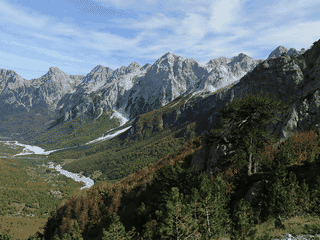

Valbona Valley National Park
Eastern Europe and the Balkans · Albania
Did you know?
- Fërliku is lamb roasted on a skewer, a specialty of highland cooking.
- Liqeni i Xhemës is a spring-fed blue pond.
- The Serpent's Hut trail passes abandoned plum orchards on its way to high meadows.
See also
.jpg)
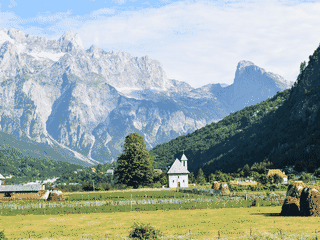
Thethi
Albania42.40°N 19.77°E · 850 m
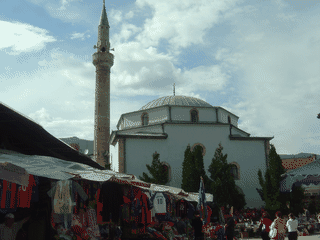

Peja
Kosovo42.67°N 20.30°E · 550 m
Overview
Valbona Valley opens into craggy peaks, glacial landscapes and traditional highland villages. Walking trails make the alpine scenery the focus of a stay.
Languages: Albanian
Why go?
Valbona National Park, called the 'Albanian miracle of Alps' and the Gem of Albania, lies within the Prokletije (Bjeshkët e Nemuna) mountain range. This transboundary park shared with Montenegro protects the highest biodiversity value of Albania's mountain mainland. The valley offers dramatic craggy peaks, glacial valleys, traditional highland villages, and excellent hiking through pristine alpine terrain that few tourists access.
Adapted from Wikivoyage contributors · CC BY-SA 4.0
When to go
The valley has harsh mountain winters with temperatures dropping to -10°C to -20°C between December and February. Snow season runs from late October through March, with snow depths of 1.5–5m lasting 60–160 days. Summer (July–August) is cool, with temperatures reaching only 22°C. Annual precipitation averages 2000–2500mm/year. The best times to visit are summer for hiking or winter for skiing and snowshoeing.
Adapted from Wikivoyage contributors · CC BY-SA 4.0
Getting in
From Tirana, minibuses cost €8 to Bajram Curri and €2 onward to Valbona Valley. Minibuses (furgons) leave Gjakova and Prizren in Kosovo for Bajram Curri in the morning (€2.50 from Gjakova). Schedules depend on demand. From Shkodra, minibuses depart at 06:30 for the scenic Lake Koman ferry (500 lek), which leaves at 09:00 and arrives in Fierzë around 12:00, where minibuses continue to Bajram Curri. From Tirana, minibuses using the ferry depart around 05:00.
Adapted from Wikivoyage contributors · CC BY-SA 4.0
Getting around
The park is best explored on foot, allowing travelers to fully appreciate the mountain views and glacial valley landscapes. Bicycle rental and car are alternatives, though footpaths provide the most immersive experience through the valley's terrain.
Adapted from Wikivoyage contributors · CC BY-SA 4.0
Where to stay
Accommodation options include guesthouses with full board options, traditional farmhouses with homecooked meals, and camping sites in the valley center. Rezidenca at Quku i Valbonës offers the most comfortable option with luxury rooms in traditional settings and self-service kitchen. Rilindja is the oldest operating restaurant with 4 rooms and modern bathrooms. Valbonë Eco Camping and Përparimi Restaurant and Campsite provide budget-friendly valley center options.
Adapted from Wikivoyage contributors · CC BY-SA 4.0
Food and drink
Traditional highland cuisine dominates, with fresh and homemade food prepared using entirely traditional methods. Specialties include fërliku (lamb roasted on skewer), grilled meat, chicken, wild game, and mountain trout with red dots. Cooked vegetables and fruit are noted as particularly tasty. Homemade brandy and wine are widely available in restaurants and guesthouses throughout the valley.
Adapted from Wikivoyage contributors · CC BY-SA 4.0
Things to do
The park offers hiking, scrambling, and in winter, skiing and snowshoeing. Horseback tours with local guides are available for remote sites. Key trails include: The Sand of Motina (Zallet e Motinës) crossing old farmland into beech forest with cold water spots; Stanet e Gjarpërit (Serpent's Hut) through abandoned plum orchards to high meadows; Dragobi Cave accessible via marked footpaths from Bregu i Lumit Poshtëm; Jame's Lake (Liqeni i Xhemës), a spring-fed blue pond; and the 9km Begaj Water Canal hike from Begaj village (free, 2-3 hours one way).
Adapted from Wikivoyage contributors · CC BY-SA 4.0
Stay safe
The Tropoja area has an undeserved reputation as a wild lawless region. Unexploded ordnance from the Kosovo conflict is a concern when wandering off beaten paths. The UK, Australia, and Canada have travel advisories against travel to the northeast region of Albania including Tropoja district and Bajram Curri. However, the law and order situation has greatly improved, and travelers are likely to encounter only friendly and generous locals.
Adapted from Wikivoyage contributors · CC BY-SA 4.0
Go next
Bajram Curri is the nearest town for supplies and services. Thethi National Park offers another stunning Albanian Alps experience. Shkodra is accessible via the Lake Koman ferry—a breathtaking journey through massive gorges that is recommended if you didn't arrive this way. Gjakova in Kosovo (40km, 45-60 minutes) is the closest city with the largest Ottoman-era bazaar in the Balkans.
Adapted from Wikivoyage contributors · CC BY-SA 4.0
Field guide adapted from Wikivoyage contributors · CC BY-SA 4.0. Text has been adapted and organized for this guide. About our sources.
Places to know
A few starting points from the guide. Check current hours and prices before you go.
- sleep
Farmhouse
Guesthouse/ Hostel. It offers homecooked meals, full board options. It has 5 rooms and modern bathrooms. It costs EUR
Adapted from Wikivoyage contributors
- sleep
Përparimi Restaurant and Campsite
Recorded price: EUR
Adapted from Wikivoyage contributors
- sleep
Relax Restaurant
Adapted from Wikivoyage contributors
- sleep
Rezidenca
This is the most comfortable option, if your goal is to settle in for a while in luxury. It offers full board options, luxury rooms in traditional settings, self service kitchen and village settings. Prices range from EUR
Adapted from Wikivoyage contributors
- sleep
Rilindja
Is the oldest operating restaurant in Valbona. It has 4 rooms, full board options and modern bathrooms. It costs EUR
Adapted from Wikivoyage contributors
- sleep
Valbonë Eco Camping
Camping site
Recorded price: EUR
Adapted from Wikivoyage contributors
- eat
Relax Hotel
Adapted from Wikivoyage contributors
- eat
Restaurant Emanueli
Adapted from Wikivoyage contributors
Before you go
Food
Traditional highland cuisine: fërliku (lamb on skewer), mountain trout, wild game. Fresh, homemade, and cooked traditionally. Homemade brandy and wine available.
Money
Euros commonly accepted in the valley. Traditional guesthouses and local establishments are the main accommodation options.
Safety
Unexploded ordnance from Kosovo conflict exists off marked trails. UK, Australia, Canada advise against travel to Tropoja region.
Transport
Minibuses from Tirana (€10 total) or via Lake Koman ferry from Shkodra (500 lek + connecting minibus). Kosovo connections from Gjakova (€2.50).
Weather
Harsh mountain climate: winter temps down to -20°C with 1.5-5m snow; summer highs only 22°C. Best visited July-August or for winter sports.