Overview
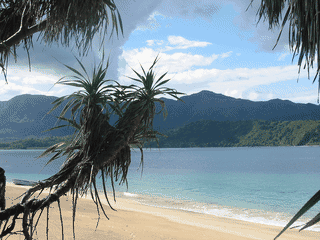
Nioumachoua is the second-largest town in Moheli and the primary gateway to Moheli Natural Park. From July to October, humpback whales migrate through these waters, offering one of the Indian Ocean's most accessible whale-watching experiences.
Beach · Budget Travel · Day Trips · Nature · Trekking
Before you go
Accommodation
Three main options: community bungalows (FC8,000/night, breakfast included), Vanilla Lodge (FC12,500 rooms), and Moheli Laka Lodge (160 EUR full board). Book ahead as options are limited.
Activities
All Natural Park activities require the FC2,500 park fee (valid 3 months). Whale watching best August-mid-November. Turtle nesting November-March. Livingstone bat viewing possible year-round with guide.
Connectivity
Internet access is limited; Vanilla Lodge offers good WiFi but community bungalows had no connection as of November 2018. Mobile coverage is patchy. Purchase a local SIM in the capital Moroni before traveling to Moheli.
Culture
Comoros is a Muslim nation; dress modestly outside beaches. Community bungalows are run by village volunteers, with proceeds supporting local school and hospital. Respect local customs and ask before photographing people.
Health
No pharmacy in Nioumachoua; bring all personal medications. Basic medical care available; serious cases require evacuation to Grand Comore or abroad. Mosquito repellent recommended for evening activities.
Money
No ATMs in Nioumachoua; bring sufficient cash in euros or US dollars to exchange. Community bungalows and local establishments operate in Comorian francs (KMF/FC). Prices range from FC8,000 for budget bungalows to FC35,000 for boat excursions.
Transport
No public buses; transport relies on shared taxis and motorcycle taxis. Arrange transfers and excursions through your accommodation. The town is walkable; getting to surrounding attractions requires vehicle hire with driver.
Weather
July-October dry season is ideal for whale watching and outdoor activities. Green season (December-April) brings lush scenery but rain. Cyclone risk exists December-February.