
Grand Comore
Africa · Comoros
Did you know?
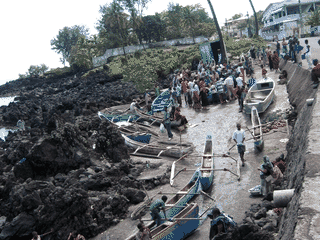
- Badjanani Mosque sits beside a harbor and shipyard near the old medina.
- After sunset, coastal stalls sell msahkiki meat kebabs for CF50 each.
- A calm-weather ascent of Mount Karthala takes a difficult two days.
See also

Moheli
Comoros12.33°S 43.75°E · 790 m
Overview
Grand Comore combines volcanic landscapes, white-sand beaches, old medinas, and a low-key island atmosphere. Mount Karthala, coastal villages, and Moroni's markets give the island a strong sense of place.
Languages: Arabic, French, Comorian
Why go?
Grand Comore (Ngazidja) is the largest and most populated island in the Comoros archipelago. Despite harsh first impressions of crowded roads and garbage, the island rewards visitors with handfuls of world-class beaches equal to anything in the Seychelles, but far less touristed. The volcanic black rock landscape is dramatic, and the authentic island atmosphere sees very few foreign visitors.
Adapted from Wikivoyage contributors · CC BY-SA 4.0
Get in
Prince Said Ibrahim International Airport (HAH) near Moroni connects the island to several African cities and the French islands of Réunion and Mayotte. Freighters accepting passengers also arrive to Moroni from Zanzibar or Dar es Salaam in Tanzania, Mahajanga in Madagascar, and the other Comorian islands. The main carrier is Air Austral serving Réunion.
Adapted from Wikivoyage contributors · CC BY-SA 4.0
Get around
Local taxis serve the island but can stop running early on the east coast. Taxis connect major areas including Moroni, Iconi, Itsandra, and the beach areas. Hiring a car is possible but roads can be challenging. The island's interior is dominated by Mount Karthala, making some routes circuitous.
Adapted from Wikivoyage contributors · CC BY-SA 4.0
When to go
The cool dry season from May to October is most comfortable for hiking and beach activities. The hot wet season from November to April brings humidity and rainfall. Grand Comore can be visited year-round, though beach activities are best during the drier months.
Adapted from Wikivoyage contributors · CC BY-SA 4.0
Where to stay
Tourist infrastructure is limited on Grand Comore. Options range from basic guesthouses in Moroni to the Golden Tulip, the island's only resort. Rooms can be dated and amenities vary widely. Budget travelers should expect simple but functional accommodations. Itsandra, north of Moroni, offers beach access with basic bungalows.
Adapted from Wikivoyage contributors · CC BY-SA 4.0
Food and drink
Local food is cheapest at small restaurants around Volo Volo market or near the Friday mosque in Gobadjou district. After sunset, small bungalows along the coast sell msahkiki (meat kebabs) for CF50 each, ordered in batches of ten along with grilled bananas, cassava, or breadfruit. For quality dining, try Chez Babou in Oasis district (Indian food and ice cream) or Cafe de la Paix in Ambassadeur district south of the hospital in Moroni. Nassib Bakery near Volo Volo offers pain au chocolat, sandwiches, pizza, and decent coffee.
Adapted from Wikivoyage contributors · CC BY-SA 4.0
Things to do
Mount Karthala is one of the largest and most dangerous volcanoes in the world due to the possibility of water inside exploding and causing rock to rain down; eruptions last occurred in 2007. When calm, it offers a difficult two-day climb to the top. Lac Salé (Lake Niamawi) is a saltwater crater lake on the northern coast. The east coast near Mt Karthala offers beautiful but difficult-to-access coastline, with Chomoni featuring white sand beach and huts for picnics. Buuni Beach and Ivoini Beach offer additional coastal options.
Adapted from Wikivoyage contributors · CC BY-SA 4.0
See
Volo Volo market is the largest market on the island where you can buy food, clothing, electronics, and other goods near the hospital. The Medina section near the port and Friday Mosque features winding alleys between ancient buildings, providing shade from the hot sun. Badjanani Mosque is one of the oldest mosques in the Comoros, religiously important for its age and size, sitting on the harbor adjacent to a shipyard. Itsandra offers white sand beach and a medina neighborhood with a restaurant on the beach, a short taxi ride north of Moroni.
Adapted from Wikivoyage contributors · CC BY-SA 4.0
Do
Beach visits are essential but visitors should be mindful of Comoros social decorum (see Respect under main Comoros page). The island lacks quantity of beaches but makes up for in quality equal to the Seychelles. Coelacanth Marine Park on the southern coast is the second marine park in the Comoros, adjacent to coelacanth habitat with steep underwater cliffs. Iconi offers nightlife at Club des Amis, a relaxed nightclub larger than Le Rose Noir.
Adapted from Wikivoyage contributors · CC BY-SA 4.0
Safety
In 2025, a Colombian traveler died of malaria six months after contracting it during his stay on Grand Comore. Take anti-malarial precautions seriously. Malaria testing is available at the hospital in Moroni for CF1000. Avoid swimming near dangerous currents and be cautious on volcanic terrain.
Adapted from Wikivoyage contributors · CC BY-SA 4.0
Go next
Speedboats to Moheli leave from Chindini on the southern coast. Anjouan and Mayotte are accessible by boat or plane from Moroni. The other islands of the Comoros offer different experiences including the drier island of Moheli and the more developed French influence of Mayotte.
Adapted from Wikivoyage contributors · CC BY-SA 4.0
Field guide adapted from Wikivoyage contributors · CC BY-SA 4.0. Text has been adapted and organized for this guide. About our sources.
Places to know
A few starting points from the guide. Check current hours and prices before you go.
- sleep
Coastal bungalows
Simple bungalows along the coast serving food in the evenings.
Adapted from Wikivoyage contributors
- sleep
Golden Tulip
The island's only resort with full amenities and beach access.
Adapted from Wikivoyage contributors
- sleep
Guesthouses in Moroni
Basic but functional rooms in the capital, ranging from simple to moderately equipped.
Adapted from Wikivoyage contributors
- eat
Cafe de la Paix
Large menu of Indian Ocean cuisine; better to ask what's available than order from menu.
Adapted from Wikivoyage contributors
- eat
Chez Babou
Quality Indian food and ice cream in Oasis district north of Volo Volo.
Adapted from Wikivoyage contributors
- eat
Coastal market stalls
Small bungalows along the coast make msahkiki (kebabs) for CF50 after sunset; order ten at a time with grilled bananas, cassava, or breadfruit.
Recorded price: CF50 per kebab
Adapted from Wikivoyage contributors
- eat
Nassib Bakery
Half a block from Volo Volo, has pain au chocolat, sandwiches, pizza, decent coffee, and porch seating for people-watching.
Adapted from Wikivoyage contributors
- see
Badjanani Mosque
One of the oldest mosques in the Comoros, religiously important for age and size; sits on harbor adjacent to shipyard and medina.
Adapted from Wikivoyage contributors
Before you go
Connectivity
Mobile coverage exists in Moroni and surrounding areas. SIM cards available locally. WiFi limited to hotels and cafes. Check with your provider about international roaming rates.
Health
Malaria risk exists. Hospital in Moroni offers malaria testing for CF1000. Take prophylaxis and use mosquito nets. Limited medical facilities beyond basic care.
Money
Currency is Comorian Franc (CF). ATMs are limited in Moroni. Bring cash in euros or US dollars to exchange. Credit cards rarely accepted outside the Golden Tulip resort.
Transport
Local taxis are main transport but stop early on east coast. Taxis connect Moroni to Iconi, Itsandra, and beach areas. No public bus system. Hiring a car possible but roads challenging.
Weather
Hot wet season November to April with humidity and rainfall. Cool dry season May to October more comfortable for outdoor activities. Volcanic terrain can be muddy.