
Moheli
Africa · Comoros
Did you know?
- Community bungalow revenue helps fund local schools and health centers.
- A certified dive school at Laka Lodge offers access to the marine park.
- Humpback whales pass through the Mozambique Channel from June to November.
See also

Grand Comore
Comoros11.58°S 43.33°E
Overview
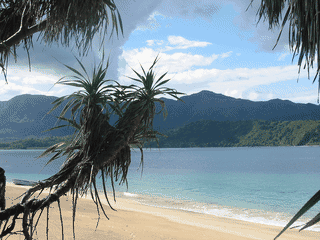
Moheli is a lightly visited island where rich marine life, quiet beaches, and community-run tourism shape the experience. Turtle watching, whales, coral reefs, and village bungalows reward travelers comfortable with simple logistics.
Languages: Arabic, French, Comorian
Why Go
Moheli is the smallest island in the Comoros archipelago but packs the nation's highest biodiversity into just 50 km west to east and 20 km north to south. Unlike busier islands, fewer than 400 visitors arrive annually, making this a rare chance to experience genuine East African island life with minimal tourism infrastructure. The island offers exceptional wildlife encounters: green turtles, humpback whales (June-November), Livingston bats, and some of the country's most beautiful beaches, all wrapped in a community-based tourism model where bungalow revenues fund local schools and health centers.
Adapted from Wikivoyage contributors · CC BY-SA 4.0
Getting In
Access to Moheli is by air or sea. The island has an airport (Moheli Bandar es Salam Airport), located on the southern coast about 30 km from Fomboni. Ferries also connect Moheli to other islands in the Comoros archipelago, though schedules are irregular and subject to weather conditions.
Adapted from Wikivoyage contributors · CC BY-SA 4.0
Getting Around
Buses, confusingly called taxis by locals, run from Fomboni to most destinations on the island. The bus stop in Fomboni is at the market, with buses stopping before midday. After midday, shared taxis are available. Importantly, taxis or buses departing from places other than Fomboni are limited—expect no more than a couple of taxis in each town. These typically depart daily at 05:00 toward Fomboni, so reserving a seat the day before is recommended. Mondays are especially difficult due to teachers and students commuting to Fomboni for school. Hitchhiking is possible and very safe, though less common than on Grand Comore due to fewer vehicles. The road between Itsamia and Nioumachoua was destroyed in the 2019 cyclone, turning a former 15-minute drive into a 3-hour journey around the island.
Adapted from Wikivoyage contributors · CC BY-SA 4.0
When to Go
The best time for wildlife watching depends on your target species. Humpback whales pass through the Mozambique Channel from June to November, heading south to cooler waters. Green and imbricated turtles nest year-round, with turtle watching possible at any time. For general weather, the dry season typically runs from May to October, making these months popular for outdoor activities like snorkeling, diving, and kayaking.
Adapted from Wikivoyage contributors · CC BY-SA 4.0
Where to Stay
Accommodation on Moheli centers on community bungalows—a unique system where villages have built bungalows and use tourism income to invest in local development. Bungalows operate on a volunteer management system: workers are democratically elected every two years and form a management team with a president, general secretary, and accountant. As of July 2019, Itsamia was the only community bungalow in operation following cyclone damage. Other operating bungalows can be found in Joining, Miringoni, Nioumachoua, Oualla 1, and temporarily in Oualla 2. Vanilla Lodge in Nioumachoua offers private hospitable accommodation with clean rooms for those preferring standard lodging over community stays.
Adapted from Wikivoyage contributors · CC BY-SA 4.0
Food and Drink
Due to transportation challenges, supermarkets in Moheli offer limited product variety. Finding fruit out of season is difficult, as most market products come straight from local fields. Embrace the short variety and enjoy high-quality, natural local produce. There are very few restaurants on the island. For alcohol, the only place serving it is the bar at Laka Lodge.
Adapted from Wikivoyage contributors · CC BY-SA 4.0
Things to Do
Moheli offers exceptional nature-based activities. The Parc Marin de Mohéli (Moheli Marine Park) protects sea turtles, mangroves, and islots in the Nioumachoua region, home to endemic species like Livingston bats and protected species including dugongs and green turtles. Snorkeling is superb throughout the island, though coral bleaching and erosion from slash-and-burn agriculture have damaged some reefs—the sea between Baobab and Maya islets has the best coral. Diving with the only certified school on the island (at Laka Lodge in Nioumachoua) offers an unforgettable experience in the natural park. Wildlife watching includes turtle nesting (year-round, night tours arranged in Itsamia), Livingston bat watching (1-hour mountain hike from Oualla 1 with local guide), and humpback whale watching (June-November). Kayaking lets you explore virgin beaches of the natural park, while camping on the park's islots is possible by arranging boat transport with a fisherman from Nioumachoua.
Adapted from Wikivoyage contributors · CC BY-SA 4.0
Safety
Moheli is an exceptionally safe destination. Although pickpockets have been reported, crime is practically nonexistent. Solo female travelers will feel completely secure walking alone at night in any village. You will stand out as a curiosity—fewer than 400 visitors annually means foreigners are a rarity. Children may follow you, and some boys might throw pebbles to get attention; telling them off or involving an elder village member resolves these situations quickly.
Adapted from Wikivoyage contributors · CC BY-SA 4.0
Connectivity
Telecommunications infrastructure on Moheli is limited. Mobile coverage exists but may be unreliable in more remote villages. Internet access, if available, is likely slow and expensive. For essential communications, plan to use satellite phones for emergencies or accept limited connectivity during your stay.
Adapted from Wikivoyage contributors · CC BY-SA 4.0
Budget
Moheli is extremely budget-friendly due to its remote location and community-based tourism model. Community bungalows operate on a volunteer basis, keeping costs low. Daily expenses for food are minimal since most produce comes from local fields. The main costs will be transportation (shared taxis and boats), activity guides, and accommodation. Budget travelers should plan for irregular transportation and potential delays when moving between villages.
Adapted from Wikivoyage contributors · CC BY-SA 4.0
Day Trips
Day trips from Fomboni can include visits to the Parc Marin de Mohéli in Nioumachoua, Ylang Ylang plantations and distilleries scattered around the island, and beach excursions to Nioumachoua and Itsamia. The road damage from the 2019 cyclone means some destinations now require longer travel times, but this also means fewer tourists at remote beaches. Wildlife day trips can focus on turtle watching in Itsamia or Livingston bat watching from Oualla 1.
Adapted from Wikivoyage contributors · CC BY-SA 4.0
Go Next
From Moheli, onward travel options include Anjouan (another island in the Comoros archipelago) and Grand Comore (the largest island, home to the capital Moroni). Ferries connect Moheli to these destinations, though schedules are irregular. Both islands offer different landscapes and experiences—Grand Comore is more developed with better infrastructure, while Anjouan has its own unique character and mountain landscapes.
Adapted from Wikivoyage contributors · CC BY-SA 4.0
Field guide adapted from Wikivoyage contributors · CC BY-SA 4.0. Text has been adapted and organized for this guide. About our sources.
Places to know
A few starting points from the guide. Check current hours and prices before you go.
- sleep
Community Bungalows in Itsamia
The only community bungalow operational after the 2019 cyclone, offering authentic village stay with volunteer hosts.
Adapted from Wikivoyage contributors
- sleep
Laka Lodge
The only place with alcohol on the island, home to the only certified diving school in Moheli.
Adapted from Wikivoyage contributors
- sleep
Vanilla Lodge
Hospitable lodge in Nioumachoua with clean rooms, a good base for exploring the marine park.
Adapted from Wikivoyage contributors
- see
Beaches
In Moheli you will find the most beautiful beaches in the country, the nature is just superb everywhere. The more popular beaches are Nioumachoua and Itsamia.
Adapted from Wikivoyage contributors
- see
Parc Marin de Mohéli
Particularly focus on the protection of sea turtles, the natural park of Moheli covers mangroves and the islots and beaches in Nioumachoua region. The park is a tropical paradise home of many endemic species as the Livingston bats, and protected species like the dugong, green turtle, imbricated turtle, among others.
Adapted from Wikivoyage contributors
- see
Ylang Ylang plantations and distilleries
All around the island you will feel the sweet smell from the Ylang Ylang, plan a visit to the fields and the distilleries to know a bit about local production and economy. Plus, ask your guide to explain also about other local plants. You won't regret it.
Adapted from Wikivoyage contributors
- do
Camping in Moheli Natural Park islots
From Nioumachoua ask a fisherman to cross you by boat to any of the islots. Spend the night surrounded by the most untouched nature.
Adapted from Wikivoyage contributors
- do
Diving
Diving in Moheli is an unforgettable experience, the richness of the natural park has no competitor. The only certified diving school in the island is in Nioumachoua, in Laka lodge.
Adapted from Wikivoyage contributors
Before you go
Accommodation
Community bungalows are the main accommodation, with volunteer-staffed management. Itsamia bungalow was operational as of July 2019. Vanilla Lodge in Nioumachoua offers private rooms. Cyclone damage has closed most bungalows.
Connectivity
Telecommunications limited and unreliable in remote villages. Internet access slow or unavailable. Plan for minimal connectivity during your stay.
Food
Very few restaurants exist. Markets sell locally-grown produce. Embrace limited variety and seasonal availability. The only bar with alcohol is at Laka Lodge.
Safety
One of Africa's safest destinations—crime practically nonexistent. Solo female travelers face no issues walking alone at night. Children may follow tourists; elder intervention resolves attention-seeking behavior.
Transport
Buses (locally called taxis) run from Fomboni market before midday; shared taxis available after. Reserve seats the day before for departures from other villages. Road between Itsamia and Nioumachoua damaged—expect 3 hours instead of 15 minutes.
Wildlife
Green and imbricated turtles nest year-round. Humpback whales pass June-November. Livingston bats endemic to Moheli, watched from Oualla 1. Marine park protects exceptional biodiversity.