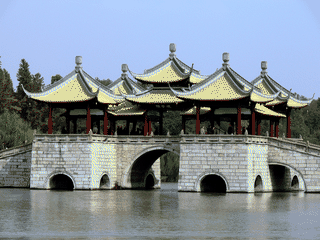
Overview
Nanjing is one of China's Four Great Ancient Capitals with more than 2,500 years of history. Ming sites, city walls, and museums reflect its long role as a political capital.
History · Architecture · Culture · Food · Museums
Did you know?
- A Jinlingtong card works on the metro, buses, ferries, taxis, and some shops.
- Salted duck, soup dumplings, and duck-blood noodles are local staples.
- The Ming Xiaoling Mausoleum's Sacred Way is lined with famous stone animals.
Why Go
Nanjing is one of China's Four Great Ancient Capitals with over 2,500 years of history, known as the 'Ancient Capital of Six Dynasties' and 'Metropolis of Ten Dynasties.' The city offers UNESCO-listed Ming Dynasty sites including the Ming Xiaoling Mausoleum, well-preserved city walls, and numerous museums documenting its role as capital of the Republic of China under the Kuomintang from 1927-1949. Unlike the chaos of larger cities, Nanjing provides a more manageable scale for exploring Chinese history while maintaining comprehensive modern amenities.
Get In
Nanjing is served by Lukou International Airport (IATA: NKG) with connections to most Chinese cities and international flights from Japan, South Korea, Southeast Asia, Los Angeles, Finland, and Germany. There is also a daily evening flight from Shanghai Pudong International Airport. Nanjing South Station is a major high-speed rail hub with fast trains to Shanghai (about 1 hour), Suzhou, Hangzhou, and Beijing. Regular trains connect to destinations including Yangzhou (1 hour) and Huangshan (7-8 hours).
Get Around
Nanjing has an extensive metro system (Lines 1-10) with fares ranging from ¥2-9 depending on distance. For stays longer than a few days, purchase a Jinlingtong card (also known as IC-tong) from any subway station, most bus termini, or Huaxia Bank branches for ¥75 (¥25 refundable deposit + ¥50 credit). The card works on the subway, all city buses, cross-river ferries, taxis, and some Suguo convenience stores. City buses cost ¥2 per ride.
When to Go
Nanjing has a humid subtropical climate with hot, humid summers (July averages 25-32°C with 227mm rainfall) and cold winters (January averages 0-7°C). Spring (April-May) and autumn (September-October) offer the most comfortable temperatures for sightseeing. The city can get extremely humid and rainy in summer, making indoor museums like the Nanjing Museum particularly appealing during the plum rain season in June. Autumn is ideal for visiting Qixia Temple when the maple trees turn orange.
Where to Stay
Accommodation in Nanjing ranges from budget hostels to luxury hotels. Many budget options under ¥180/night do not accept foreigners, including some 7 Day Inn locations. International Youth Hostels near Shanghai Road and Fuzimiao offer dorm beds from ¥45-50 per night. Mid-range hotels near Xinjiekou or the Confucius Temple area cost ¥400-700 per night. The Xinjiekou area near the metro interchange is convenient for shopping and transit, while the Fuzimiao area suits those wanting to be near tourist sites.
Food and Drink
Nanjing specialties include xiaolongbao (small soup dumplings, ¥10-30 at local restaurants), tangbao (large crab meat soup dumplings drunk with a straw), salted duck (yán shuǐ yā, served cold), and duck blood noodles (yaxue fensi). These are found in small hole-in-the-wall restaurants and dining halls throughout the city. Chain restaurants like Da Pai Dang offer old-style Nanjing cuisine for ¥50-80 per person with English menus. Western options near Nanjing University include Soul Mate (French expat-owned), Skyways Bakery, and New Cafe.
Things to Do
Nanjing's top sites include the Ming Xiaoling Mausoleum (¥70, UNESCO-listed tomb of the Hongwu Emperor with its famous Sacred Way of stone animals), the Sun Yat-sen Mausoleum (free, beautiful fusion of Chinese and Western architecture), and the Presidential Palace (¥40, headquarters of past emperors and the Nationalist government). The City Wall of Nanjing is the most complete in China, with the Gate of China (Zhonghuamen) admission at ¥50. Museums include the Nanjing Massacre Memorial Hall (free), Nanjing Museum (free, one of China's best), and the Taiping Kingdom History Museum (¥30). A city pass covering 21 attractions costs ¥100.
Safety
Nanjing is generally safe, though foreign visitors should avoid bar area conflicts as foreigners have been assaulted, sometimes seriously. Police typically side with Chinese citizens in disputes. Most crime occurs late at night when alcohol is involved; armed robbery is rare. Pickpocketing is common in Fuzimiao, crowded buses, the subway, and transport hubs. Be cautious of unofficial taxi and bus touts at Zhonghuamen bus station and railway stations - always use official taxi stands and the official airport bus from Gate 7 (tickets ¥20). Traffic can be chaotic with right turns on red lights sometimes legal.
Connectivity
Nanjing uses standard Chinese power plugs (Types A, I) with 220V/50Hz electricity. Mobile providers include China Mobile, China Unicom, and China Telecom with 4G coverage throughout the city. SIM cards are readily available with various data packages. WiFi is common in hotels, restaurants, and cafes, though some public WiFi requires local phone number authentication. Many hostels and Western cafes offer free WiFi.
Budget
A backpacker budget in Nanjing breaks down approximately as: dorm bed ¥45-50, street food meals ¥10-30, metro/bus ¥2-9 per ride, museum admissions ¥20-70 each (many are free). A reasonable daily budget is ¥150-250 excluding accommodation. The Nanjing city pass (¥100) covers 21 attractions and is valid for one calendar year. Budget travelers should note that many cheap hotels do not accept foreigners, so booking ahead is essential.
Day Trips
Lake Tai is a common weekend getaway for Nanjing residents. Qixia Temple, 1 hour by bus 206 from Xinzhuang Guangchang Dong, offers maple-forested hillsides and trails (¥40 entry). The Yangshan Quarry, accessible by the Nanjing-Tangshan Line bus from Nanjing Railway Station, shows the giant unfinished stele commissioned for Ming Xiaoling. Tangshan hot springs area offers spa resorts accessible by express bus from Nanjing South Railway Station.
Go Next
From Nanjing, fast trains reach Shanghai in about 1 hour, Suzhou in under 2 hours, and Hangzhou in about 2 hours. Yangzhou is 1 hour away by slow train. Zhenjiang borders Nanjing to the west and is accessible by train or bus. Huangshan (Yellow Mountain, UNESCO World Heritage) is 7-8 hours south by slow train. Lake Tai is a reasonable weekend getaway. Hefei is a short train ride to the east.
Guide text adapted from Wikivoyage contributors under CC BY-SA 4.0.
Where to start
Eat
Da Pai Dang
A chain restaurant with an old-style Chinese atmosphere and menu with English. They serve a lot of old-style Nanjing specialties such as Jinling Roast Duck, lotus root, and Lions Head Meatballs. This restaurant is a chain that can be found in cities around China and beyond, but it still provides a comfortable and authentic introduction to Nanjing cuisine -- especially for foreign tourists. Average cost per person would be ¥50-80.
Eat
German Bread Store
If you're missing some taste from home, or just looking for good bread and sandwiches, try this cafe next to Nanjing Normal University. They serve sandwiches, drinks, and various styles of original German bread. You'll probably find foreign visitors here are all hours, with lots of customers speaking various European languages.
Price when recorded: ¥20
Eat
Jack's
Barely passable Italian food, but decent enough if you have been in China a few years. Some staff have good English and many of the customers are expats. Pasta or pizza is around ¥40-60, while good steaks start around ¥70.
Eat
Les 5 Sens
French restaurant with a French chef and a cosy atmosphere, providing traditional and family homemade French dishes.
Price when recorded: ¥38-119
Eat
New Cafe
Self-consciously contemporary restaurant/lounge with a fairly extensive selection of western brunch fare: waffles, omelets, French toast, paninis. They also have a good selection of coffee, tea, and rather decadent desserts. The food here - sort of continental American with the inevitable anomalies - is good, particularly in the presentation; however, beware of the service. If you just want to have a sundae or French toast and don't mind having to hunt down a server, this is a great place. Wireless access here if you have a China Mobile or China Unicom account. At least ¥50 per person for tea and a pastry, but you should probably plan on ¥80, with a full breakfast or lunch even more.
Eat
Old Place
Has reasonably priced Chinese food with English translations, most fun in a group of 4 or more. Try the pineapple pork.
Price when recorded: ¥10–30
Eat
Prime
The tallest bar, lounge and restaurant in Jiangsu Province, Prime offers a spectacular view of Nanjing in a western setting with superior service and gourmet international cuisine. The Cigar lounge features a live music stage (western jazz musicians play irregularly) and a fully-stocked bar with a large selection of wines, beer, and over 100 specialty cocktails.
Eat
Skyways Bakery
Owned by a German/Belgian couple. Their sandwiches are of good quality and quite large and include a drink. They also have good salads and coffee at reasonable prices. Check out the bulletin board for employment opportunities in the city.
Before you go
Accommodation
Many budget hotels under ¥180/night do not accept foreigners. International Youth Hostels offer the best budget options at ¥45-50 per dorm bed.
Culture
Nanjing has deep historical significance as six-dynasty capital and Republic of China capital. Some resentment toward Japanese visitors exists due to WWII events.
Money
Nanjing uses Chinese Yuan (CNY/¥). ATMs are widely available. Many small restaurants and vendors are cash-only. Some budget hotels do not accept foreign guests.
Safety
Avoid bar area conflicts, especially late at night. Police typically side with Chinese citizens. Watch for pickpockets in crowded areas.
Transport
The Jinlingtong transit card (¥75) works on metro, buses, ferries, and some taxis. City buses cost ¥2. Metro fares range ¥2-9.