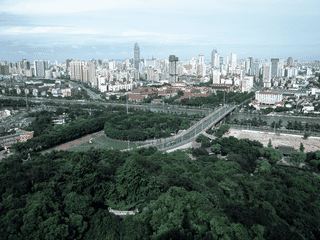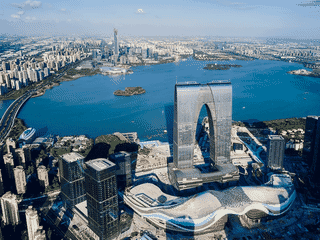
Overview
Suzhou is a historically significant Chinese city. It served as the capital of the Kingdom of Wu and grew into a major non-capital city by the early 19th century.
Architecture · Culture · Day Trips · Food · History
Did you know?
- The cuisine leans sweet and delicate, with freshwater fish and shellfish at its center.
- Tiger Hill Pagoda is nicknamed the 'Leaning Tower of China' and offers panoramic views.
- Classical gardens include the Humble Administrator's Garden, Master of the Nets, and Lingering Garden.
Why Go?
Suzhou is one of China's most historically significant cities, serving as capital of the Kingdom of Wu and growing into the world's largest non-capital city by the early 19th century. Today its core city holds over five million people, yet it preserves an extraordinary collection of classical Chinese gardens—nine of which are UNESCO World Heritage Sites—alongside centuries-old canal networks that earned it the nickname 'Venice of the East.' Marco Polo himself praised its merchants, craftsmen, and scholars, and much of that prosperity and cultural richness persists today. The city offers a slower, more contemplative pace than neighboring Shanghai while still providing modern amenities and excellent transport connections.
Getting In
Suzhou is accessible by high-speed rail from Shanghai (30 min, ¥50), Nanjing (60-90 min), and Beijing (5 hours from North Station). China Eastern Airlines runs direct buses from Shanghai Hongqiao Airport (¥50) and Shanghai Pudong Airport (¥82). The city has four major train stations: Suzhou Station and Suzhou Industrial Park Station on the Shanghai-Nanjing line, Suzhou North Station for Beijing routes, and Suzhou New District Station. Bus stations include the South Gate Bus Station (serving Shanghai, Nanjing, Hangzhou), North Bus Station (near trains, serving Wuxi, Zhangjiagang), and West Bus Station.
Getting Around
Suzhou has four metro lines (1, 2, 3, 5, 11) connecting downtown with the Industrial Park, New District, and outer districts. Bus number 2 serves the SIP area. Local buses 29, 30, 31, and 101 connect to the South Gate Bus Station. Many hostels and the Suzhou Watertown Youth Hostel rent bicycles for ¥25 per day, and the flat terrain makes cycling pleasant once past the ring-road. Boat rides through the canal network depart from Renmin Bridge. Electric scooters are prevalent and can be hazardous to pedestrians.
When to Go
Suzhou has high humidity year-round that can exacerbate temperature extremes. Summers (June-August) are hot (28-33°C) with significant rainfall (156-211 mm monthly), while winters (December-February) are cold (1.8-10.8°C) with less precipitation. Spring (March-May) offers mild 10-26°C weather ideal for garden visits. The Classical Gardens appear most lush in spring and autumn. The Yangtze River Culture Festival takes place in autumn in nearby Zhangjiagang with mostly free activities. Peak domestic tourism occurs during Chinese holidays when major attractions become very crowded.
Where to Stay
Budget travelers should head to the old city around Pingjiang Road and Shiquan Street, where several hostels occupy traditional buildings: Mingtown-Suzhou Youth Hostel (28 Pingjiang Rd, beds ¥40-200), Suzhou Hostel (186 Zhuhui Rd, from ¥45), Suzhou Minghantang Youth Hostel (61 Tongguiqiao on Shantang St, from ¥40), and Suzhou Watertown Youth Hostel (27 Dashitou Lane, from ¥40 with bike rental). Mid-range options include the Bamboo Grove Hotel (168 Zhuhui Rd) and Guibinlou Hotel (888 East Ganjiang Rd, ¥400). The SIP area offers international chains like Citadines Xinghai Suzhou and Mercure Suzhou Park Hotel.
Food and Drink
Suzhou cuisine is characterized by slightly sweet flavors and delicate, light preparations featuring freshwater fish and shellfish. Local specialties include Song Shu Gui Yu (squirrel-shaped mandarin fish, ¥100+ at Song He Lou), braised cold duck (jiàng yā), and glutinous rice paste sweets. Budget eats: Xi Sheng Yuan (43 Fenghuang Jie) serves wontons for ¥6-9, while Nanjing Duck Noodle (95 GongXiang) offers bowls from ¥7-12. The historic Song He Lou (141 Guanqian Jie) claims to be China's oldest restaurant at 250 years old. Shi Quan Jie and Guanqian Jie have tourist-oriented restaurants, while expat-friendly bars cluster on Shiquan Street and the Li Gong Di area around Jinji Lake.
Things to Do
The Classical Gardens are Suzhou's crown jewels: the Humble Administrator's Garden (¥80) is the largest, the Garden of the Master of the Nets (¥40) is the most perfectly proportioned, and the Lingering Garden (¥55) ranks among the largest. Tiger Hill Pagoda (¥70) offers the famous 'Leaning Tower of China' and panoramic views. Panmen City Gate (¥25) combines water and land gates from 514 BCE with canal boat rides. Cultural museums include the free Suzhou Museum (designed by I.M. Pei), the Suzhou Embroidery Research Institute, Suzhou Opera Museum (¥30, Sunday performances), and the Suzhou Silk Museum. Pingjiang Road preserves thousand-year-old stone paving with traditional shops and western cafes.
Safety
Suzhou is generally safe, though pickpocketing occurs on crowded buses and near train/bus stations. Beggars and pushy hawkers on Guanqian Jie can be nuisance but not dangerous. The biggest physical hazards are electric scooters—silent, fast-moving vehicles that ride on sidewalks and through crossings, particularly at night and rush hour. Traffic accidents involving pedestrians and cyclists are unfortunately common. Taxis are safe, but avoid touts at tourist sights and火车站. Pedicab and tuk-tuk drivers are known for overcharging.
Connectivity
Suzhou has many free Wi-Fi access points throughout the city. Pay internet cafes charge ¥2.5 per hour. The China Rail website (12306.cn) accepts only UnionPay, requiring a Chinese bank account. Mobile apps work on Android and iOS for ticket booking. Major international chains and western bars (The Bookworm, Fein Coffee) offer reliable Wi-Fi. SIM cards and data packages are readily available from convenience stores. Power outlets use the standard Chinese Type A/I plugs (two or three pins, 220V).
Budget
Daily backpacker budget in Suzhou: ¥150-250 covers dorm bed (¥40-50), street food meals (¥10-20 per meal), metro/bus transport, and one garden admission (¥40-80). A dorm bed costs ¥40-50 at hostels; private rooms at hostels run ¥100-200. Garden admissions range from ¥10 (Garden of Cultivation) to ¥80 (Humble Administrator's). Street food and local noodle shops cost ¥7-15 per bowl. Metro rides cost a few yuan; buses ¥2. Bicycle rental ¥25/day. Evening drinks at expat bars ¥20-50.
Day Trips
The classic day trip from Suzhou is to the nearby water towns, each with picturesque canals, old bridges, and traditional architecture. Zhouzhuang, Tongli, and Zhen Ze are most popular, all within one hour's travel. Mudu is accessible via Metro Line 1's western terminus. Wuxi to the north is close enough that residents often shop or dine across both cities. Yixing is famous for its pottery, particularly teapots. Lake Tai's recreational areas are reachable going west from Suzhou or via Wuxi and Wujiang. The region around Suzhou is flat Yangtze Delta terrain, making cycling day trips feasible to Jinji Lake and Dushu Lake.
Etiquette
As anywhere in China, bargaining is expected at markets and tourist shops. Since Suzhou is a domestic tourist destination, prices start reasonably but a knowledgeable local can still help. Never accept 'help' from unknown locals offering assistance at tourist sites—these people work on commission. Carry your hotel's business card in Chinese characters so taxi drivers can return you. Remove shoes when entering homes and some traditional establishments. At temples, show respect by not pointing feet at Buddha statues. The Confucian Temple still functions as part of Suzhou Middle School, so behave appropriately.
Go Next
Suzhou's central position in East China makes day trips and onward travel easy. Shanghai is just 30 minutes by high-speed train—many visitors stay in Suzhou and make Shanghai a side trip. Nanjing (60-90 min) offers Ming dynasty capital attractions including the Purple Mountain tombs and Nanjing Museum. Hangzhou (90 min) is famous for West Lake and is paired with Suzhou in the proverb 'Heaven has paradise, Earth has Suzhou and Hangzhou.' Within Jiangsu, Wuxi (20-30 min by train or bus) shares close cultural ties, and Yangzhou is historically significant. Lake Tai destinations include Wujiang district and the Yixing pottery town.
Guide text adapted from Wikivoyage contributors under CC BY-SA 4.0.
Where to start
Eat
A Bing Cangshu Mutton Soup
People in Suzhou like the soup very much.
Price when recorded: ¥20
Eat
Da Mario
Good Italian food. There really is a Mario, and he really is Italian. The pasta dish "Rosetta Della Mamma" is an original.
Eat
DainTi Hill
Fusion food, very interesting dishes at affordable prices.
Eat
Dusanzhen
One of the most famous purveyors of Suzhou-style cold braised duck. Takeaways only.
Eat
Harbin Dumplings
The dumplings are much cheaper than the better-known Yang Yang Dumplings, and just as good.
Eat
Let's Rock Hong Kong Restaurant
A fun, modern little restaurant with great Hong Kong/Cantonese food. Good dim sum- these folks make a serious Barbecued Pork Bun (Cha Shao Bao). The menu offers lots of quick, inexpensive dishes.
Eat
Nanjing Duck Noodle
Traditional duck noodle where the more you pay, the more body parts you get. Some of the non-duck part dishes are worth a bite too.
Price when recorded: ¥7-12
Eat
Rendezvous Restaurant & Lounge
East of Jinji Hu lake, on Jin Hu Wan business street, Rendezvous brings Western food, comfort and service to Eastern Suzhou. You can enjoy their cold beers, cocktails and snacks on their outdoor patio.
Before you go
Culture
Suzhou is the cradle of Wu culture and classical Chinese garden design. The Suzhou style of silk embroidery has 2,000-year history. Kunqu opera is UNESCO Intangible Cultural Heritage.
Health
Tap water not recommended for drinking; filtered/boiled water safer. Mosquitoes prevalent in summer (no known disease risk). Air quality sometimes poor but better than Shanghai or Nanjing.
Language
Wu dialect is traditional; Mandarin widely spoken. English limited outside tourist areas and better hotels. Carry destination names written in Chinese.
Money
Chinese Yuan (¥) is the currency. ATMs accepting foreign cards are common. UnionPay is widely accepted; Visa/MasterCard only at upscale hotels and large malls. Bargaining expected at markets.
Safety
Generally safe; watch for pickpockets on buses near stations. Electric scooters are the main pedestrian hazard—silent, fast, and ride anywhere. Traffic accidents with cyclists common.
Transport
Metro lines 1, 2, 3, 5, 11 connect city districts. High-speed trains to Shanghai (¥50, 30 min), Nanjing, Beijing (5 hr from North Station). Bus stations serve regional destinations.
Weather
Hot humid summers (28-33°C) with heavy rain; cold winters (2-11°C). Spring and autumn are most pleasant for garden visits. High humidity year-round.