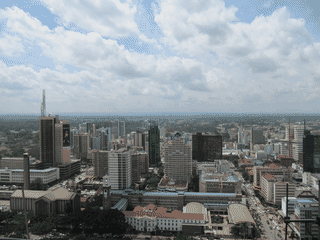

Nairobi
Africa · Kenya
See also
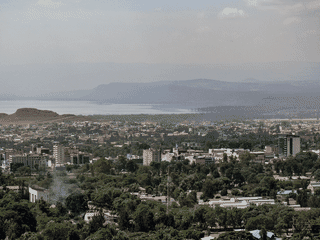

Nakuru
Kenya0.28°S 36.07°E · 1,850 m
Kiambu
Kenya1.17°S 36.83°E · 1,720 m
Naivasha
Kenya0.72°S 36.43°E · 2,085 m
Overview
Nairobi is Kenya's political, financial, and media capital with 4.8 million inhabitants, one of Africa's largest and fastest-growing cities. At 1,795 metres above sea level, it is one of the highest national capitals in the world, giving it a pleasant subtropical highland climate.
Languages: English, Swahili
Why Go
Nairobi is Kenya's political, financial, and media capital with 4.8 million inhabitants, one of Africa's largest and fastest-growing cities. At 1,795 metres above sea level, it is one of the highest national capitals in the world, giving it a pleasant subtropical highland climate. While often used as a transit point for safari destinations, the city itself offers compelling attractions: the unique Nairobi National Park bordering the city centre, excellent museums like the Nairobi National Museum, and vibrant nightlife in Westlands. The city has a significant South Asian community reflected in its outstanding Indian restaurants, alongside rich local cuisine featuring nyama choma (grilled meat), ugali (maize porridge), and sukuma wiki (collard greens).
Adapted from Wikivoyage contributors · CC BY-SA 4.0
Getting In
Nairobi's main airport is Jomo Kenyatta International Airport (JKIA), one of Africa's largest hubs with Terminal 1A, 1B, and 1C. The airport has Ecobank, Cooperative Bank, and I&M ATMs with no withdrawal fees. Domestic flights and regional connections to Entebbe, Kilimanjaro, and Zanzibar operate from Wilson Airport, 11 km south of the centre. The new Nairobi Terminus (Syokimau) connects to the central railway station by commuter rail, though train services are limited. Most overland arrivals come by road via matatus (minibuses) or buses from destinations like Mombasa and Kisumu.
Adapted from Wikivoyage contributors · CC BY-SA 4.0
Getting Around
Traffic in Nairobi is notoriously congested, and getting around requires patience. Matatus (minibuses) serve most routes but can be confusing for newcomers; expect to pay Ksh 20-50 for inner-city trips. Ride-hailing apps like Uber and Little Cab are widely available and safer than public transport after dark. Taxis are plentiful but always negotiate the fare before starting or use metered vehicles. The city centre is walkable, but avoid walking alone at night. Biashara Street is noted as a safe shopping area due to Maasai guards. Areas north and east of River Road should be avoided, especially after dark.
Adapted from Wikivoyage contributors · CC BY-SA 4.0
When to Go
The sunniest and warmest period runs from December to March, with daytime temperatures averaging in the mid-twenties Celsius and mean maximum around 24°C. The long rains occur from March to May, with April being the wettest month (130 mm). The short rains fall in October-November. June to July is the cool season with temperatures dropping to 9°C in the evenings. Most visitors combine city exploration with safari trips to nearby national parks, making the dry seasons (June-October and December-March) most popular for wildlife viewing.
Adapted from Wikivoyage contributors · CC BY-SA 4.0
Where to Stay
Budget travellers can find dorm beds and basic rooms in the Milimani and Manyatta areas near downtown Nairobi. Milimani Backpackers & Safari Centre offers dorms, doubles, camping, and organises safaris. For mid-range options, try Hotel Africana on Dubois Road or Inks Hotel near River Road CBD with free WiFi. Westlands and Hurlingham offer more upscale choices with better security. Safari Park Hotel on Thika Road and Ole-Sereni near JKIA are popular for their wildlife settings. Expect to pay under Ksh 3000 for budget accommodation, Ksh 3000-6000 for mid-range, and over Ksh 6000 for upscale hotels.
Adapted from Wikivoyage contributors · CC BY-SA 4.0
Food and Drink
Nairobi has exceptional culinary diversity. Indian restaurants are outstanding, reflecting the significant South Asian community. International cuisines including Italian, Brazilian, Chinese, Thai, Japanese, German, and French are available in Westlands, Hurlingham, and Kilimani. Local staples include nyama choma (grilled meat), ugali (maize porridge), sukuma wiki (collard greens), chapati, and kienyeji (traditional vegetables). For budget eating, try Hot Dishes chain (mains Ksh 180-450), KK Restaurant on Koinange Street, or Roast House near Tom Mboya matatu station. Java House is the go-to for Western breakfasts and excellent coffee. Westlands has vibrant nightlife with clubs like Havana and The Tree House.
Adapted from Wikivoyage contributors · CC BY-SA 4.0
Things to Do
Nairobi is the safari capital of Africa with Nairobi National Park just outside the city centre, home to zebra, wildebeest, buffalo, giraffe, lion, and over 400 bird species. Visit the Sheldrick Elephant Orphanage (feeding at 11:00 daily) and the Giraffe Centre in Langata. The Kenyatta International Conference Centre offers panoramic city views from its viewing tower for Ksh 400. The Nairobi National Museum (adults Ksh 1200 non-residents) covers Kenyan history and culture. Karen Blixen Museum appeals to fans of Out of Africa. For nature, explore Karura Forest (Ksh 600 for non-residents) or Uhuru Park (free). Day trips include Hells Gate National Park for hiking and cycling, Lake Naivasha for boat rides, and the Maasai Mara for the great migration.
Adapted from Wikivoyage contributors · CC BY-SA 4.0
Safety
Nairobi has a reputation for theft and scams involving large groups of con artists. Keep valuables secure and avoid displaying phones or wallets prominently, especially on River Road after dark. Do not walk alone at night—always use taxis. Avoid areas north and east of River Road, Globe Roundabout, Archives, Muthurwa Market, and around Nation Centre. Children may approach excitedly calling 'mzungu' (white person)—older children should be treated with caution. Slums should be avoided as they can quickly become dangerous situations. Beggars are generally not aggressive and will accept a polite refusal. The city centre dies out at night with empty streets. If in a matatu moving slowly through traffic after dark, keep windows closed.
Adapted from Wikivoyage contributors · CC BY-SA 4.0
Connectivity
Mobile coverage is excellent from Safaricom, Airtel, and Telkom, extending to most populated areas. Safaricom has the best 4G coverage nationally. Basic phones cost around Ksh 2000, and SIM cards are available everywhere including at the airport. In-country calls cost approximately Ksh 3 per minute. International calls to the US run around Ksh 5 per minute. Internet cafés charge Ksh 0.50-1 per minute, with minimum fees of Ksh 5-20. Free WiFi is available at Java House and Doorman's coffee shops. The Sarit Centre and malls in Westlands have decent internet cafés. For data, purchase 3G packages (200MB, 500MB, or 1.5GB) to avoid fast credit depletion.
Adapted from Wikivoyage contributors · CC BY-SA 4.0
Budget
A backpacker can survive on Ksh 1500-2500 per day in Nairobi: street food meals Ksh 100-300, matatu rides Ksh 20-50, basic accommodation Ksh 500-1500 for dorms or budget rooms. Museum entry costs Ksh 200-1200 depending on residency status. Safari day trips start from around US$50-100. Mid-range meals run Ksh 500-1400 at restaurants. Mobile data packs are affordable. Budget an additional Ksh 500-1000 daily for activities and attractions. Drinking water, snacks, and basics are cheap at local supermarkets and dukas.
Adapted from Wikivoyage contributors · CC BY-SA 4.0
Day Trips
Nairobi is perfectly positioned for day trips and short excursions. Lake Naivasha (90 km) offers boat rides to see hippos, walking among wildlife on Crescent Island, and cycling in Hells Gate National Park. Nakuru National Park (160 km) warrants an overnight stay for game drives. The Maasai Mara National Reserve is Kenya's most important safari destination. Mount Longonot National Park offers a day hike on a 2700m volcano. For culture, visit the Olorgesailie pre-historic site along Magadi Road (70 km), known as the world's largest stone-tool factory. Hell's Gate, only 90 km away, allows hiking and cycling due to the absence of dangerous animals.
Adapted from Wikivoyage contributors · CC BY-SA 4.0
Etiquette
Kenyans are generally friendly and welcoming. Greetings are important—take time to exchange pleasantries before business. Dress modestly, especially when visiting religious sites like Jamia Mosque or churches. Remove shoes when entering homes and some businesses. Handshakes are common; use your right hand. Tipping 10% is customary in restaurants and for safari guides. Photography of people should be requested permission first. Avoid public displays of affection. In matatus and public spaces, observe and follow local norms. Respect for elders is important in Kenyan culture.
Adapted from Wikivoyage contributors · CC BY-SA 4.0
Go Next
From Nairobi, safaris radiate in all directions. The Maasai Mara National Reserve offers world-class wildlife viewing. Lake Naivasha and Hells Gate provide accessible nature experiences. Nakuru National Park is famous for flamingos and rhinos. Mount Longonot and Aberdare National Park offer hiking opportunities. The Kakamega Rainforest is the last primeval forest in Kenya with monkeys and hundreds of bird species. Kisumu on Lake Victoria is a significant destination. Ol Pejeta Conservancy provides sanctuary for great apes and rhinos. Mombasa on the coast is reachable by flight or bus for a beach break.
Adapted from Wikivoyage contributors · CC BY-SA 4.0
Field guide adapted from Wikivoyage contributors · CC BY-SA 4.0. Text has been adapted and organized for this guide. About our sources.
Places to know
A few starting points from the guide. Check current hours and prices before you go.
- eat
Abyssinia Exotic Ethiopian Restaurant
An Ethiopian restaurant with delicious food.
Recorded price: Mains from Ksh 500-800
Adapted from Wikivoyage contributors
- eat
Alan Bobbe's Bistro
A venerable, legendary restaurant now located on Rhapta Road (near St. Marys School). Founded in 1962, the restaurant features French haute-cuisine at about a third of what you would pay in Paris.
Adapted from Wikivoyage contributors
- eat
Furusato
Located in Westlands, has fantastic Japanese food. For a price.
Adapted from Wikivoyage contributors
- eat
Habesha
Near Yaya centre- great Ethiopian food for around USD5-6, although they serve Nescafé coffee rather than the traditional Ethiopian freshly-roasted beans.
Recorded price: around Ksh 1000
Adapted from Wikivoyage contributors
- eat
Havana Bar
Popular bar and restaurant with a laid-back Latin theme. Renowned for their sizzling fajitas, steaks and seafood dishes. The kitchen is open daily from noon until late.
Adapted from Wikivoyage contributors
- eat
Hot dishes
A chain restaurant serving local food. Several venues in Nairobi CBD. Spacious with ample seating, reasonably clean.
Recorded price: Mains Ksh 180-450 ksh
Adapted from Wikivoyage contributors
- eat
Java House
With quite a few locations, including The Junction, ABC Place, and close to the United Nations, features a western coffee house menu, from bagels to burritos, with excellent coffees and milkshakes, and a full breakfast menu. Another popular coffee house is Dormans.
Recorded price: Ksh 500-750 for a complete meal.
Adapted from Wikivoyage contributors
- eat
KK Restaurant
A downtown eatery well-known for featuring economical African fare such as beef stew with managu, goat meat, grilled tilapia, porridge, maize, njahi, minji, kienyeji, etc, plus breakfasts. Sometimes service can be a bit slow, but it is a well-liked place.
Adapted from Wikivoyage contributors
Before you go
Connectivity
Safaricom has the best 4G coverage. SIM cards and phones are cheap and available everywhere. Internet cafés charge Ksh 0.50-1 per minute. Free WiFi at Java House and some malls. Buy data packages for smartphones.
Culture
Kenyans are proud and welcoming. Greetings are important. Dress modestly at religious sites. Remove shoes when entering homes. Photography of people requires permission.
Health
Vaccinations recommended 6 weeks before travel: tetanus, diphtheria, polio, typhoid, hepatitis A/B, yellow fever, rabies, meningitis. Malaria risk exists—consult your doctor. Tap water is not safe to drink—use bottled or filtered water.
Language
English and Swahili are official languages. Sheng (Swahili slang) is common among youth. Learning basic Swahili phrases is appreciated. Many locals speak some English in tourist areas.
Money
Kenyan Shilling (Ksh) is the currency. ATMs are widely available. Ecobank, Cooperative Bank, and I&M have no withdrawal fees at JKIA airport. Credit cards accepted at major hotels and upscale restaurants but not at local eateries or matatus. Tipping 10% is customary.
Safety
Beware of elaborate scams involving large groups. Don't walk alone after dark—use taxis. Avoid River Road area north and east after nightfall. Keep valuables secure and phones discreet. Areas like Globe Roundabout and Muthurwa Market require extra caution.
Transport
Matatus (minibuses) are cheap but can be chaotic. Uber and Little Cab are safer options. Traffic is extremely congested—plan accordingly. Taxis should have metered fares or negotiate before departure.
Visa
Most nationalities receive visa on arrival (approximately US$50). Check current requirements before travel. Yellow fever vaccination certificate required if arriving from endemic areas.
Weather
Subtropical highland climate at 1795m altitude. Cool evenings year-round, especially June-July (down to 9°C). Warmest December-March (mid-20s°C). Long rains March-May, short rains October-November.