Overview
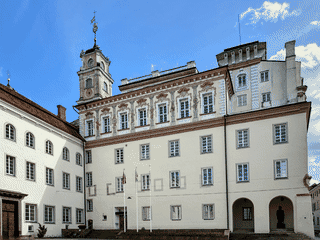
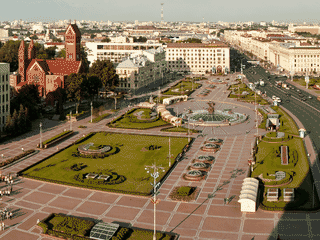
Minsk's museums cover fine art, national history and the Great Patriotic War. The Red Church adds a distinctive architectural stop to a day of city sightseeing.
Museums · History · Architecture · Day Trips · Food
Did you know?
- Zephyr is made with apple puree, while syrki come glazed in chocolate.
- Khatyn Memorial commemorates a village massacred by Nazis in 1943.
- The Red Church is dedicated to Saints Simon and Helena.
Why Go
Minsk offers a rare window into post-Soviet urban life without the high costs of Western Europe. The city has shed its reputation as a Soviet theme park—reliable public transport, modern banking, and familiar dining options now serve international visitors. Yet the Stalinist architecture on Praspiekt Niezaliežnasci, socialist street art, and old-style canteens coexist with renovated churches, trendy cafes, and tourist facilities. This duality makes Minsk attractive for travelers seeking authentic Eastern European experiences at backpacker-friendly prices.
Getting In
Minsk National Airport (MSQ) handles all international flights. After passport control, arriving passengers find duty-free shops selling foreign alcohol, cash machines, currency exchange, and mobile provider kiosks for A1, MTS, and life:) SIM cards. The Central Railway Station (Minsk Pasažyrski) at plošča Pryvakzaĺnaja serves trains from Western Europe, Lithuania, Ukraine, and Russia. The Tsentralnyi Bus Terminal handles international routes including daily buses to Augsburg. Yandex Taxi (about 30 rubles) is the most convenient app-based option, while official airport transfers cost flat-rate 40 rubles.
Getting Around
Minsk's central area is easily walkable. Public transport includes buses, trams, trolleybuses, railway city lines, and the Minsk Metro—all cheap and reliable. Google Maps works well for navigation. Metro stations have security scanners; passengers with large bags are routinely asked to submit belongings for scanning. The metro is clean and efficient, with most stations centrally located near major attractions.
When To Go
The best time to visit is May through September when the city is full of greenery. Summer temperatures reach maximum 24°C and minimum 12°C, often hot and dry. Winters are freezing cold (max 3°C, min -7°C), and snow rarely stays on the ground long. The city transforms seasonally—warm months offer park visits and outdoor dining, while winter brings ice hockey season (HC Dinamo Minsk plays in the KHL).
Where To Stay
Budget accommodation includes EasyFlat Hostel (14-19 rubles, near Nyamiha metro), Smile Minsk Hotel (from 13 rubles in 8-person room), and Hostel Stary Minsk near the National Arts Museum. Mid-range options like Hampton by Hilton Minsk City Centre sit near the main train station. Higher-end hotels include Hotel Europe (from €100) and Crowne Plaza Minsk. Note that while hotels previously handled police registration for travelers, this can now be completed online.
Food And Drink
Traditional Belarusian cuisine resembles Polish and Lithuanian fare—soups, dumplings (particularly draniki, potato pancakes), baked potatoes, mushroom and meat dishes, and pickled vegetables. Local specialties include zephyr (apple puree confection), chocolate-glazed syrki, and rye bread. Belarusian vodka (especially Zubroŭka from Brest) has excellent reputation. Vegetarians and vegans are increasingly well served. Tipping 10% for table service is common but not compulsory. Most venues accept bank cards even for small amounts. Budget meals at Draniki cost 6-14 rubles; lunch sets at Green+Go or MonkeyFood run around 10-12 rubles.
Things To Do
Museum-hoppers should visit the Belarusian National Arts Museum (8 rubles) for fine arts, the Belarusian National History Museum (7 rubles) for cultural artifacts, and the Belarusian Great Patriotic War Museum (8 rubles, free first Tuesday monthly). The Red Church (St Simon and St Helena) is Minsk's most recognizable landmark. The National Library's rhombicuboctahedron building houses an observation deck (3.50 rubles). For industrial tourism, tours of Alivaria Brewery (14 rubles with tasting) and Minsk Tractor Works (12 rubles) offer unique experiences. Outdoor options include Minsk Sea (artificial reservoir with free beach, 5km north), Botanical Garden (8/4 rubles), and Park Čaliuskincaǔ.
Day Trips
Several significant sites lie within day-trip range of Minsk. Mir Castle (UNESCO site, 85km away) showcases medieval Grand Duchy of Lithuania architecture and Holocaust history. Khatyn Memorial Complex (50km north) commemorates a village massacred by Nazis in 1943. Stalin's Line (30km northwest, 14 rubles) presents reconstructed USSR border defenses. BELAZ factory in Žodzina (from 20 rubles) displays the world's largest trucks. Closer options include the Ozertso Open Air Museum of Rural Architecture (4km west) and Haradzišča archaeological complex where Minsk was founded 1,100 years ago.
Safety
Minsk is generally safe and clean with strong police presence downtown. Metro stations have security scanners; police politely check large bags. Drunk passengers face questioning. Photography of government buildings is prohibited—tourists have been approached for photographing the KGB headquarters on Praspiekt Niezaliežnasci. Political protests are unsafe; even bystanders risk detention. LGBT travelers face a complex situation: same-sex relationships are neither recognized nor banned, but public displays of affection may cause issues. Road safety is well-enforced; drivers reliably yield to pedestrians at crossings.
Connectivity
Mobile providers A1, MTS, and life:) have kiosks in the airport Arrivals area. WiFi is available at many cafes including Golden Coffee (free until 18:00) and Zerno. Power plugs use Type C and Type F European round-pin sockets (220V/50Hz). English is limited outside tourist areas; Russian or Belarusian communication is essential for pharmacy visits and basic services.
Budget
Minsk offers excellent value for backpackers. Metro and bus rides cost under 1 ruble. Museum admissions range 7-14 rubles. Street food and cafeteria meals run 6-14 rubles; restaurant dinners cost 15-35 rubles. Hostel beds start at 13-14 rubles. A daily budget of 50-80 rubles covers basic needs, while 100-150 rubles allows comfortable exploration with museum visits and restaurant meals.
Etiquette
Dress modestly when visiting churches—shoulders and knees covered. Remove hats in Orthodox churches and don't photograph during services. Tipping 10% is appreciated but not mandatory at restaurants. Queue etiquette is generally respected. Smoking is restricted in public spaces. During conversations, avoid political topics, particularly regarding Belarus's government or recent events.
Go Next
From Minsk, travelers can reach Brest (3-4 hours by train, ~20 daily departures) to see the Brest Hero Fortress. Homieĺ (Gomel) offers another regional capital experience. Hrodna in northwest Belarus was the last capital of the Polish-Lithuanian Commonwealth. Lake Narač, Belarus's largest lake, lies 160km north. Minibuses (maršrutkas) are the quickest and cheapest intercity option.
Guide text adapted from Wikivoyage contributors under CC BY-SA 4.0.
Where to start
Eat
Chumatskiy shlyakh
Offers traditional Ukrainian dishes.
Eat
Draniki
Belarusian cuisine: draniki, cepelinai, salads, liquors (naliŭki) and beer. It is good for a quick meal. Large groups will feel particularly at home in the basement with more seating. English menu.
Price when recorded: 6-14 rubles mains
Eat
ENZO
A two-floor steak and burger restaurant in the heart of the trendy hang-out quarter. Quality food, a good wine selection and the ambience of distressed walls.
Price when recorded: 15-50 rubles dinner mains; up to 10 rubles lunch courses
Eat
Green+Go
A fast-food type establishment with breakfast and lunch set (until 16:00 weekdays) menu, and à la carte: wraps, soups, bowls, salads, traditional and innovative cold and hot beverages, and desserts. Menu in English is available. Pay and give your name to be called in a few minutes to collect your freshly assembled dishes. Upbeat music.
Price when recorded: 12 rubles set
Eat
Kuchmistr
One of the most authentic restaurants of the Belarusian and Litvin (former Grand Duchy of Lithuania) cuisine. This venue regularly brings back well-forgotten recipes and produces its own naliŭki (traditional liquors).
Price when recorded: 15-35 rubles mains
Eat
MonkeyFood
Also, vulica Bahdanoviča, 128A. Delivery is available.
Price when recorded: 10 rubles set
Eat
Pesochnica
Streetfood, beer, ice cream, live music and films. This venue is closed for winter, except for the Christmas and New Year period.
Price when recorded: 7-10 rubles for set
Eat
Simple
The restaurant positions itself as the place to go to for rare wines and reimagined Belarusian cuisine. Cooking is different from the restaurants of traditional Belarusian cooking: a fusion of Belarusian dishes and locally sources ingredients (many are seasonal) with flavours and cooking techniques from other parts of the world. Meat, freshwater fish and vegetarian dishes are on the menu.
Price when recorded: 10-15 rubles starters, 20-25 - mains
Before you go
Connectivity
A1, MTS, and life:) offer SIM cards at airport. WiFi common in cafes. Type C/F plugs, 220V.
Culture
Orthodox churches require modest dress. Tipping 10% appreciated but not required. Russian language essential outside tourist zones.
Money
Belarus uses the Belarusian ruble (BYN). Most venues accept cards, but carry cash for small purchases and markets. Airport duty-free sells Zubroŭka vodka and local specialties.
Safety
General crime is low. Avoid photographing government buildings and steer clear of any protests. Metro security checks bags routinely.
Transport
Metro, buses, trams, and trolleybuses form an integrated network. Google Maps works for routing. Taxis use Yandex app (about 30 rubles city center).
Weather
Visit May-September for warm weather and greenery. Winters are freezing (-7°C average minimum) with limited snow cover.