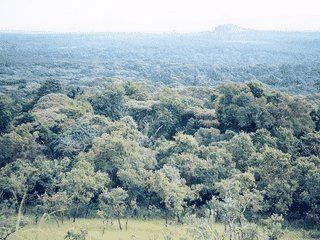

Kakamega Rainforest
Africa · Kenya
See also
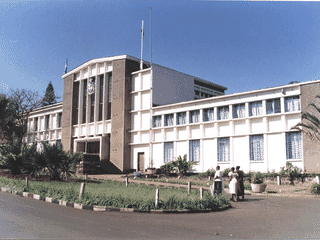

Kisumu
Kenya0.10°S 34.75°E · 1,131 m
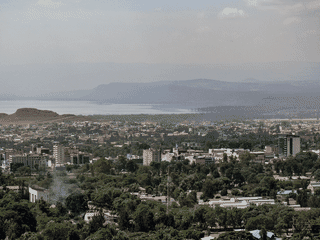

Nakuru
Kenya0.28°S 36.07°E · 1,850 m
Overview
Kakamega Rainforest is the only tropical rainforest in Kenya and the last remaining vestige of the Guineo-Congolian forest that once stretched from the Atlantic to the Indian Ocean. The forest sits at 1,466-1,779m altitude and is home to various monkeys and hundreds of bird species, some threatened.
Languages: English, Swahili
Why go?
Kakamega Rainforest is the only tropical rainforest in Kenya and the last remaining vestige of the Guineo-Congolian forest that once stretched from the Atlantic to the Indian Ocean. The forest sits at 1,466-1,779m altitude and is home to various monkeys and hundreds of bird species, some threatened. Unlike many African parks, it offers genuine jungle atmosphere with miles of canopy-filled paths, making it ideal for nature lovers and birdwatchers seeking an off-the-beaten-path experience.
Adapted from Wikivoyage contributors · CC BY-SA 4.0
Getting in
The rainforest is located in Western Kenya with access points depending on which section you visit. From Kakamega town, boda-bodas (motorcycle taxis) are the common local transport. The three main areas have separate entrances: Buyangu/Kisere in the north (national reserve), Isecheno in the middle, and Lirhanda in the south. Refer to the Kakamega city article for detailed transport options from Nairobi and surrounding areas.
Adapted from Wikivoyage contributors · CC BY-SA 4.0
Fees and permits
Fees vary by zone. The national reserve (Buyangu and Kisere) charges USD25 for adults and USD15 for children/youth/students with international student cards, payable in USD or Kenyan shillings, open 6AM-6PM daily. The Isecheno natural reserve costs Ksh 600 and operates the same hours. The forest reserve is free to enter anytime. Some activities require booking through Kenya Wildlife Service (KWS) or Kenya Forest Service (KFS).
Adapted from Wikivoyage contributors · CC BY-SA 4.0
Getting around
Motor vehicles are prohibited in the national reserve except on tracks to Buyangu housing sites. The forest offers several paths for walking and cycling. Essential gear includes a hat, waterproof clothing (morning mist common especially March-April), and insect repellent for nighttime excursions. Guided walks are available at Isecheno entrance ranging from short walks to full-day sunrise experiences.
Adapted from Wikivoyage contributors · CC BY-SA 4.0
When to go
Daytime temperatures range 20-30°C year-round due to the equatorial location. December to February are the driest months; April, May, and August are wettest. The driest period offers easier trail conditions, while the wet season brings lush vegetation and bird activity. Morning mist in valleys is common, particularly in March-April, adding atmosphere but requiring waterproof gear.
Adapted from Wikivoyage contributors · CC BY-SA 4.0
Where to stay
Accommodation is limited to KWS-operated guesthouses and forest rest houses. In Buyangu forest, Isukuti Guest House offers three two-person huts at USD60, while Udo's bandas provide options from USD40 (2-person hut) to USD15 campsites. In Isecheno, the Forest Rest House (Ksh 500/person/night) and Isecheno KEEP bandas (Ksh 900/hut/night) offer simpler lodging with meals extra. Near Lirhanda Hill, Rondo Retreat Lodge provides 18 double rooms in a Christian retreat setting. Note: some Isecheno accommodations appeared closed as of 2023.
Adapted from Wikivoyage contributors · CC BY-SA 4.0
Things to do
Guided activities organized by Kenya Forest Service from Isecheno include: birdwatching trips (6:30AM and 4:30PM, 2 hours, Ksh 500); village and market visits (2 hours, Ksh 500); nighttime excursions (2 hours, Ksh 1200); sunrise/sunset viewing from Lirhanda Hill with Batcave visit (5AM or 5PM, 3 hours, Ksh 1200); trips to Isiukhu Fall and Buyangu Hill (3-5 hours, Ksh 2000); and Yala River trips (5-7 hours, Ksh 2000). Cultural experiences include traditional mchezo wa ng'ombe bullfights in Shibuye or Khayega (monthly, price negotiated) and Luya tribe cultural evenings with isukuti dance performances and traditional medicine lessons (price negotiated).
Adapted from Wikivoyage contributors · CC BY-SA 4.0
See
Key viewpoints and natural attractions include Buyangu Hill (1,633m, panoramic views in national reserve), Lirhanda Hill (1,734m, second highest point in Kakamega), Isiukhu Fall (waterfall entering Buyangu forest), and the Batcave (former gold mine now hosting bat colonies). The Ilesi Crying Stone is a 40m high rock formation that stays wet at the base year-round. Nearby, Kaimosi Tea Estate offers plantation visits by appointment. The forest's three distinct zones (national reserve, forest reserve, natural reserve) each have different access rules.
Adapted from Wikivoyage contributors · CC BY-SA 4.0
Safety
Emergency number is 112. Open fires are prohibited except at designated camping areas. Poisonous snakes exist in the forest—stay on official trails, especially at night. In the national reserve, "human interaction with the environment" is strictly prohibited with penalties up to Ksh 5000 fine or imprisonment. Boda-bodas are the main local transport but use caution; these motorcycle taxis are common but roads can be rough. Morning mist reduces visibility on trails.
Adapted from Wikivoyage contributors · CC BY-SA 4.0
Day trips
From Kakamega Rainforest, consider visiting Kakamega town itself for markets and supplies, or venture to nearby attractions. The Ilesi Crying Stone and Kaimosi Tea Estate can be combined in a day. The Yala River trip (5-7 hours from Isecheno) offers river views and village encounters. For longer excursions, the bullfighting events in Shibuye or Khayega (about once monthly) can be visited as day trips from the forest area.
Adapted from Wikivoyage contributors · CC BY-SA 4.0
Go next
From Kakamega Rainforest, onward destinations include Nairobi (capital city with international airport), and Kakamega town for supplies and further exploration of Western Kenya. The main road network connects to these destinations. Kakamega town offers basic services and serves as the gateway for accessing different sections of the rainforest.
Adapted from Wikivoyage contributors · CC BY-SA 4.0
Field guide adapted from Wikivoyage contributors · CC BY-SA 4.0. Text has been adapted and organized for this guide. About our sources.
Places to know
A few starting points from the guide. Check current hours and prices before you go.
- sleep
Forest Rest House
A lodge for eight persons and two huts. Update 2023 - this seems to be closed
Recorded price: Ksh 500/person/night, breakfast: Ksh 350, lunch Ksh 500, supper: Ksh 500
Adapted from Wikivoyage contributors
- sleep
Isecheno KEEP bandas
Five comfortable huts with space for a maximum of 21 persons and a camping site. Update 2023 - this seems to be closed
Recorded price: Ksh 900/hut/night, breakfast Ksh 350, lunch Ksh 500, supper Ksh 500
Adapted from Wikivoyage contributors
- sleep
Isecheno blue shouldered guesthouse
Rooms and dorms available. Owner is a guide and can arrange trips to the forest.
Recorded price: Ksh 1,200 per night accommodation only, Ksh 3,400 per night full board
Adapted from Wikivoyage contributors
- sleep
Isukuti Guest House
Three huts for two persons each.
Recorded price: USD60
Adapted from Wikivoyage contributors
- sleep
Rondo Retreat Lodge
18 double rooms in a retreat centre of the Christian Trinity Fellowship. On Facebook.
Adapted from Wikivoyage contributors
- sleep
Udo's bandas
Three huts for two persons, one hut for four persons and a camping area.
Recorded price: Hut for 2 persons: USD40, hut for 4 persons USD80, campsite USD15
Adapted from Wikivoyage contributors
- see
Batcave
A former gold mine, nowadays a good place for observing bats.
Adapted from Wikivoyage contributors
- see
Buyangu Hill
A viewpoint in the national reserve, 1633 m above sea level.
Adapted from Wikivoyage contributors
Before you go
Fees
National reserve charges USD25 adults/USD15 students; Isecheno natural reserve Ksh 600; forest reserve free. Payment accepted in USD or KES.
Gear
Bring hat, waterproof clothing, insect repellent. Essential for rainforest exploration, especially for night walks and misty mornings.
Hours
National reserve and Isecheno natural reserve open 6AM-6PM daily. Forest reserve accessible anytime.
Safety
Emergency: 112. Stay on trails to avoid snakes. No open fires except designated areas. Respect strict environmental rules in national reserve.
Transport
Boda-bodas common for local transport from Kakamega town. Motor vehicles prohibited in national reserve except on housing tracks.
Weather
Equatorial climate with 20-30°C year-round. December-February driest; April-May and August wettest. Morning mist common March-April.