Overview
iSimangaliso Wetland Park is South Africa's first UNESCO World Heritage Site, protecting one of the country's most diverse ecosystems. Its wetlands, beaches, coastal dunes, coral reefs, and wildlife make it a varied base for self-managed or guided days.
Nature · Wildlife · Beach · Budget Travel · Diving
Did you know?
- It was South Africa's first UNESCO World Heritage Site.
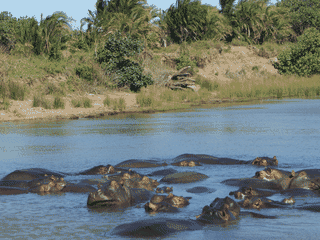
- Boat cruises can seek hippos and wetland birdlife.
- The park's sections charge separately because they are not connected.
Where it is
ISimangaliso Wetland Park is 216 km northeast of Durban.
Why Go?
iSimangaliso Wetland Park is South Africa's first UNESCO World Heritage Site, protecting one of the most diverse ecosystems in the country. The park encompasses subtropical wetlands, beaches, coastal dunes, and coral reefs, offering opportunities to see hippos, Nile crocodiles, and Big-5 game without the crowds of more famous safari destinations. It provides both self-managed activities for budget travelers and guided experiences through local operators.
Getting In
Access the park via the N2 highway from Durban heading north. Turn right approximately 50 km before Hluhluwe town, following signs to the park. The town of St Lucia serves as the main entrance point to the park. Self-driving is the most practical option, though organized tours from Durban are available for those without a vehicle.
Fees and Permits
Each park entrance has different fees as the various sections are not connected. Fees are charged per person plus an additional fee per vehicle. Some sections charge for single entry only, requiring re-entry payment even on the same day. Pedestrians often enter free but are charged if arriving by car. Foreign visitors pay double the local rate. Check current fees at each entrance gate before entering.
When to Go
The park can be visited year-round, though wildlife viewing is best during the drier winter months (May-September). Whale watching is seasonal, typically occurring between June and November when humpback whales migrate past the coast. Snorkeling conditions are best in summer. Always check with park authorities regarding walking restrictions in areas with dangerous game including Big-5, hippos, and crocodiles.
Things to Do
Self-guided activities include driving safaris, day walking trails, swimming at beaches, and overnight or multi-day hiking routes. Popular guided experiences include boat cruises to observe hippos and wetland birdlife, crocodile park visits, Cape Vidal excursions, whale-watching boat trips, snorkeling, and horse safaris. Night drives into Western Shores offer chances to see leopard and elephant.
Where to Stay
Accommodation options are limited within the park boundaries. Budget travelers should base themselves in St Lucia town, which offers numerous camping options, guesthouses, and budget lodges. Cape Vidal also has camping facilities. Advance booking is recommended during peak season. Self-catering facilities are available in St Lucia.
Food and Drink
Dining options are concentrated in St Lucia town, which offers a selection of restaurants serving various cuisines. Self-catering is the most practical option for budget travelers staying in camps or self-catering accommodation. Supplies should be purchased before entering more remote sections of the park.
Safety
Dangerous game including lion, elephant, buffalo, rhino, hippos, and crocodiles inhabit the park. Areas with dangerous game are clearly sign-posted. Never walk outside vehicles in designated wildlife zones. Be extremely cautious near water bodies as hippos and crocodiles are present. Swimming is only safe in designated areas. Stay inside your vehicle during game drives and keep windows closed at wildlife viewing points.
Day Trips
Hluhluwe-Umfolozi Park, famous for its exceptional rhino density, is approximately 60 km north and makes an excellent day trip or overnight excursion. The park can be combined with visits to Kosi Bay for beach activities and snorkeling. Day excursions into various park sections are offered by operators based in St Lucia.
Go Next
Hluhluwe-Umfolozi Park (60 km north) is South Africa's oldest game reserve and renowned for rhino conservation. Return south to Durban for beach activities, nightlife, and the airport. The Elephant Coast region offers additional natural attractions including the Lake St Lucia estuary and pristine beaches stretching to Kosi Bay near the Mozambique border.
Guide text adapted from Wikivoyage contributors under CC BY-SA 4.0.
Where to start
See
Kosi Bay
An undiscovered bay that offers diverse and unique tourism activities and attractions in a fabulous subtropical climate.
See
Mapelane Nature Reserve
Buy
Heritage Tours & Safaris
Offers day excursion safaris and night drive excursions into iSimangaliso Wetlands Park. Discover this amazing World Heritage Site. Daily departures to Cape Vidal Western Shores and night drives into the Western Shores as we go in search of the elusive leopard and elephants that frequent this area.
Buy
Heritage Tours Hippo & Croc Boat Cruises
Cruise up one of Africa's largest estuarine systems. Hippos wallowing and Nile crocodiles basking in the African sun, birdlife abundant.
Price when recorded: R170
Buy
Ocean Experience Whale Watching
Go in search of the mighty humpback whales as they migrate past the shores of St Lucia. This 2-hour boat-based excursion is operated by a legal permit holder. The vessel complies to all SAMSA legislation. See the third largest mammal in the world.
Before you go
Connectivity
Mobile phone coverage is limited within the park. WiFi is available at some lodges in St Lucia but not within park boundaries.
Money
South African Rand (ZAR) is the local currency. ATMs available in St Lucia town. Cash may be required for park fees and some local operators.
Safety
Hippos and crocodiles are present in all water bodies. Never swim outside designated areas. Keep safe distance from all wildlife and stay in vehicles during game drives.
Transport
Self-driving is essential for exploring the park. The N2 highway connects Durban (250 km south) to the park. A 4x4 vehicle is recommended for some interior roads.
Weather
Subtropical climate with humid, hot summers (December-February) and mild winters (May-August). Summer brings afternoon thunderstorms. Winter is optimal for wildlife viewing.