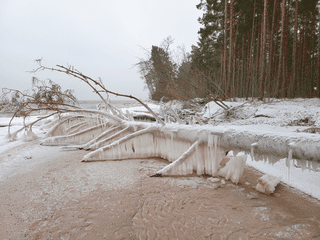

Hiiumaa
Eastern Europe and the Balkans · Estonia
Did you know?
- Fish and pancakes are part of the appeal of the pub at Orjaku Port.
- Kõpu, Tahkuna and Ristna form a lighthouse sightseeing circuit.
- A cannon barrel from the Tahkuna Kukeraba battery is displayed at the military museum.
See also
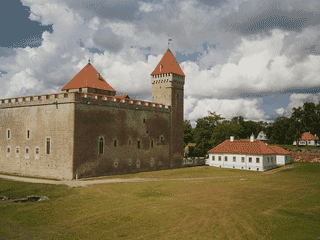

Saaremaa
Estonia58.33°N 22.65°E · 62 m
Overview
Hiiumaa combines lighthouses with long sandy beaches on the Tahkuna and Kõpu peninsulas. The coastal landscape offers a relaxed focus for an island visit.
Languages: Estonian
Why go?
Hiiumaa is Estonia's second-largest island, formed 455 million years ago by a meteorite explosion, making it one of the oldest islands in the world. The island is famous for its wealth of lighthouses and offers kilometres-long sandy beaches along the Tahkuna and Kõpu peninsulas. The locals speak their own language, Hiiu, alongside Estonian, and are known for their humor and tolerance. Best time to visit is May to September.
Adapted from Wikivoyage contributors · CC BY-SA 4.0
Get in
Hiiumaa is accessed by ferry from the mainland. The Sõru port connects Hiiumaa to Saaremaa. Ferries to the harbour of Virtsu serve Muhu, which is connected to Saaremaa by an artificial embankment. The main gateway to the islands typically involves returning to Tallinn or traveling via the ferry network.
Adapted from Wikivoyage contributors · CC BY-SA 4.0
Get around
Bus connections on Hiiumaa are poor, and none go directly to the lighthouses. Only Kõpu Lighthouse might be reached by bus along the nearby main road with buses going to the tip of the peninsula. The Peatus.ee route planner has information about public transport. The best way to explore is by car, or by asking locals at your accommodation if anyone with a vehicle is planning to visit the lighthouses.
Adapted from Wikivoyage contributors · CC BY-SA 4.0
When to go
The best time to visit Hiiumaa is from May to September. July and August are ideal for sunbathing. The climate differs from the mainland due to the surrounding sea, with more sunny days and less rain. However, it can be very windy near shores even during summer, so bring warm clothes.
Adapted from Wikivoyage contributors · CC BY-SA 4.0
Where to stay
Several accommodation options exist in the towns and villages of Hiiumaa, with many concentrated in Kärdla, the main town and location of tourist information. Orjaku in the southeast offers an observation tower that can accommodate 4-5 people overnight with a mattress and sleeping bag.
Adapted from Wikivoyage contributors · CC BY-SA 4.0
Food and drink
The Pub at Orjaku Port is described as nice and cosy with locals, offering good value and serving fish. Visitors recommend trying the pancakes. Fresh seafood is typical in coastal areas.
Adapted from Wikivoyage contributors · CC BY-SA 4.0
Things to do
Hiiumaa offers diverse landscapes with picturesque nature, kilometres-long sandy beaches, and unique historical sites. The three main lighthouses (Kõpu, Tahkuna, and Ristna) charge €2/1 for adults/discounted, or €5/2 for all three. Visitors can explore decrepit military objects on Tahkuna and Kõpu peninsulas for free, including coastal batteries, watchtowers, and machine gun bunkers from various eras. Bird watching is available near Käina with an observation platform in a small artificial forest.
Adapted from Wikivoyage contributors · CC BY-SA 4.0
See
Key attractions include the Kõpu Lighthouse (third-oldest constantly active lighthouse worldwide, 68m hill), Tahkuna Lighthouse (highest in Estonia at 42.6m, visible 33km), and Ristna Lighthouse (37m above sea level, visible 31.5km). The Hiiumaa Military Museum at Tahkuna features the BB-316 cannon barrel from the Tahkuna Kukeraba battery. The island has several museums including the Hiiumaa Museum Kassari Exhibition House, Rudolf Tobias House Museum in Käina, and Mihkli Farm Museum with a unique smoke sauna experience.
Adapted from Wikivoyage contributors · CC BY-SA 4.0
Go next
Bus connections between islands are sparse and infrequent. To continue exploring West Estonia and the islands, you will likely need to return to Tallinn. Saaremaa is the largest Estonian island with castles, fortresses, and a spa. Muhu is connected to Saaremaa by embankment with an open-air museum. Vormsi is a small forested island close to the mainland with a Swedish community. Pärnu is Estonia's summer capital with spa complexes. Haapsalu offers mud baths and medieval monuments.
Adapted from Wikivoyage contributors · CC BY-SA 4.0
Field guide adapted from Wikivoyage contributors · CC BY-SA 4.0. Text has been adapted and organized for this guide. About our sources.
Places to know
A few starting points from the guide. Check current hours and prices before you go.
- sleep
Orjaku Observation Tower
In the southeast of the islands there is at least one bird watch towers, which does have a roof and is good for overnighting if you have a mattress and sleeping bag. Space for 4-5 people.
Adapted from Wikivoyage contributors
- eat
Pub at Orjaku Port
Nice and cosy, with locals, and good value for price in this region. Also serves fish. Try the pancake.
Adapted from Wikivoyage contributors
- see
Ancient covenant stones
This is most likely an ancient sacred grove, where people used to seek advice from gods and conclude agreements on important matters. Or it might have been the place where seamen brought rocks to the gods for luck before setting out on voyages. In any case, this was a place of profound solemnity.
Recorded price: Free
Adapted from Wikivoyage contributors
- see
Hiiumaa Military Museum
The crown jewel of the exhibition is the BB-316 cannon barrel from the Tahkuna Kukeraba battery. The museum exhibition covers Hiiumaa’s coastal defence structures, armaments, and ammunition. In a simulated barracks, visitors can examine surveillance and communications equipment. There is a reconstruction of a border strip in the yard.
Recorded price: €3/1.50 (adult/discounted)
Adapted from Wikivoyage contributors
- see
Hiiumaa Museum Kassari Exhibition House
There are items dating from the Tsarist, Estonian, and Soviet periods related to maritime history, as well as the history of agriculture and the manors. There is also much to see outside – a lifeboat from the SS Estonia, the Kassari school flagpole, manor’s lawn roller, etc.
Recorded price: Prices see Hiiumaa Museum Long House
Adapted from Wikivoyage contributors
- see
Hill of Crosses
By far not as impressive as the Lithuanian equivalent, but good for a stop if you go by anyhow. There is a carpark just nearby. The first cross stemmed from the Swedes in 1781 that had to leave Hiiumaa due to an order of Czarina Katarina II. They were expelled from their farms and supposed to resettle in Ukraine. However, because they had to start their journey in winter, only half of the 1000 people reached the destination at the then later founded Gammalsvenskby village. Finally in 1929, the descendents of these Swedes where allowed by the Soviet Russia to return to Sweden. Most went to Gotland. All following crosses were erected by visitors in remembrance of these Swedes and their difficult journey.
Adapted from Wikivoyage contributors
- see
Kuriste Church
The Estonian Orthodox Hiiumaa Church of the Birth of the Mother of our Lord was completed in 1873. Icons and liturgical textiles from the end of the 19th and beginning of the 20th centuries are on display. The church is the only Orthodox church to have survived in Hiiumaa, where services also still take place.
Adapted from Wikivoyage contributors
- see
Käina church ruins
The biggest church in Hiiumaa was built at the turn of the 15th-16th century and was destroyed in 1941. Several tombstones as well as the sun cross above the entrance are protected as art monuments.
Adapted from Wikivoyage contributors
Before you go
Connectivity
Standard Estonian mobile networks apply. WiFi available at accommodations and some restaurants.
Language
Locals speak Hiiu language alongside Estonian, Russian, English, German, and Finnish.
Money
Euro (€) is the currency. ATMs available in Kärdla and Käina.
Transport
Public buses are infrequent; car rental or hitchhiking with locals is essential for reaching lighthouses. Use peatus.ee for route planning.
Weather
More sunny days than mainland but very windy near shores even in summer. Bring warm layers May-September.