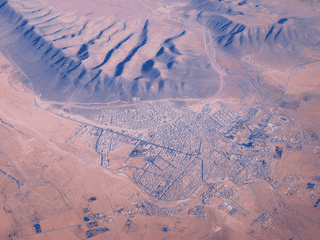

Guelmim
Africa · Morocco
See also
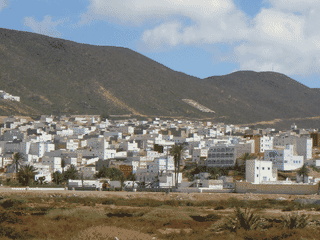

Sidi Ifni
Morocco29.37°N 10.18°W · 155 m
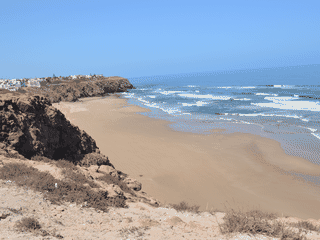

Mirleft
Morocco29.58°N 10.04°W
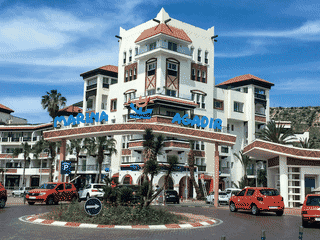

Agadir
Morocco30.43°N 9.60°W · 74 m
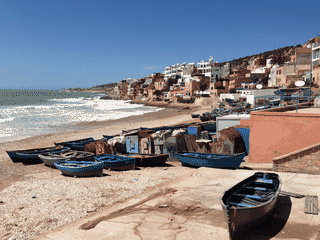
.jpg)
Taghazout
Morocco30.53°N 9.70°W
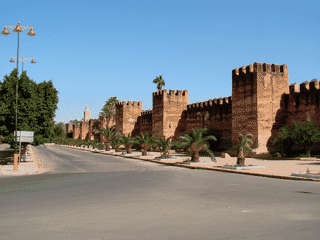

Taroudannt
Morocco30.47°N 8.87°W · 240 m
Tafraoute
Morocco29.72°N 8.97°W · 995 m
Overview
Guelmim calls itself the Gateway to the Desert for good reason. Once a major caravan stop on the route to Timbuktu, it remains the largest city in the Anti Atlas and the primary departure point for Saharan experiences in this part of Morocco.
Languages: Arabic, Berber
Why Go
Guelmim calls itself the Gateway to the Desert for good reason. Once a major caravan stop on the route to Timbuktu, it remains the largest city in the Anti Atlas and the primary departure point for Saharan experiences in this part of Morocco. The city is most famous for its weekly camel market, Amhayrich, which draws traders from across the region. For backpackers seeking a more authentic, less touristed alternative to Taghazout or Ouarzazate, Guelmim offers genuine desert atmosphere without the organized tour infrastructure.
Adapted from Wikivoyage contributors · CC BY-SA 4.0
Getting In
Guelmim sits at the junction of the N1 and N12 highways. Supratours buses run between Guelmim and Agadir (around 6 hours, approximately 120 MAD), stopping at Tiznit. Shared grand taxis provide a faster option between nearby towns. Guelmim's small airport receives flights from Casablanca, Tan-Tan, and Las Palmas de Gran Canaria (Canary Islands), making it accessible from Europe. Driving distances: 200 km south of Agadir, 110 km from Tiznit, 400 km from Laayoune.
Adapted from Wikivoyage contributors · CC BY-SA 4.0
Getting Around
Guelmim is a compact city where most sights are reachable on foot. Shared petit taxis serve the town center, while grands taxis can be hired for excursions to the Asrir Oasis (10 km southeast), the white beach (30 km), or the Zriouila village (25 km). There is no public bus system within the city. Walking is the most reliable option for exploring the souk and residential quarters.
Adapted from Wikivoyage contributors · CC BY-SA 4.0
When to Go
The best time to visit Guelmim is October through April, when temperatures are manageable (12-25°C). Summer brings extreme heat exceeding 40°C, though the sub-desert climate remains cooler than deep Saharan destinations. During chergui periods (hot desert wind), temperatures can spike above the already brutal summer norms. Winter nights can drop below 5°C. The weekly camel market operates continuously, but experiencing it after the cooler months avoids the worst heat.
Adapted from Wikivoyage contributors · CC BY-SA 4.0
Where to Stay
Guelmim's tourist infrastructure is limited compared to Morocco's major destinations. Budget travelers will find a handful of small guesthouses and hotels in the town center near the main souk area. Advance booking is not typically required except during Eid periods when local families travel. Pricing is considerably lower than coastal tourist towns—expect to pay 150-300 MAD per night for a basic double room. Homestays are not widely advertised but may be arranged through local contacts.
Adapted from Wikivoyage contributors · CC BY-SA 4.0
Food and Drink
Guelmim's dining scene centers on small local restaurants serving Moroccan staples. Expect tagines (40-60 MAD), couscous dishes, and harira soup at neighborhood eateries. The souk area has vendors selling fresh bread, dried fruits, and nuts typical of Saharan trade routes. Camel meat is a regional specialty available at some butcher shops. Tea with mint is ubiquitous (10-15 MAD). There are no international cuisine options; bringing variety from Agadir is advisable for longer stays.
Adapted from Wikivoyage contributors · CC BY-SA 4.0
Things to Do
The Asrir Oasis lies 10 km southeast of Guelmim and is a popular excursion destination. About 13 km northeast, a smaller oasis features warm water sources suitable for bathing. The white beach on the Atlantic coast is approximately 30 km away. Zriouila village (25 km) showcases traditional mud-brick architecture around a spring oasis. The Friday livestock market is the main attraction—selling camels, sheep, and goats. Organized desert excursions into the surrounding Anti Atlas can be arranged locally.
Adapted from Wikivoyage contributors · CC BY-SA 4.0
Buy
Guelmim's souk is the heart of local commerce, open daily and extending late into evening. Here you'll find textiles, leather goods, traditional jewelry, dates, argan oil, and desert provisions. The weekly livestock market (held Friday) is the largest camel market in Morocco, where you can purchase camels, sheep, and goats if planning a longer desert journey. Bargaining is expected in the souk. Argan oil products are cheaper here than in tourist-heavy Agadir.
Adapted from Wikivoyage contributors · CC BY-SA 4.0
Safety
Guelmim is generally safe for travelers. Standard precautions apply: guard valuables in crowded areas and avoid isolated desert regions without a local guide. The nomadic tribal communities around Guelmim (including Reguibat, Oulad Dleïme, and Tekna) are welcoming but operate under traditional codes. Women travelers should dress conservatively. The chergui wind can create disorienting sandstorms that reduce visibility—stay indoors during severe events.
Adapted from Wikivoyage contributors · CC BY-SA 4.0
Connectivity
Telecomemaroc (Maroc Telecom) provides the most reliable mobile coverage in Guelmim and along major highways. SIM cards are readily available in town (approximately 30-50 MAD for prepaid data packages). WiFi is limited to hotels and a few cafes near the main square. The town has 3G coverage; 4G is available in upgraded areas. Power outlets use the European Type C/E (two-pin) standard, 220V.
Adapted from Wikivoyage contributors · CC BY-SA 4.0
Budget
Guelmim is one of Morocco's more affordable destinations. Budget travelers can manage on 250-350 MAD per day: dorm beds or budget rooms (100-200 MAD), simple meals (80-120 MAD), local transport and market provisions (50-80 MAD). Camel market visits and souk browsing are free. Desert excursions require hiring a guide and camel, typically 300-500 MAD per day for a group. ATMs accept international cards; cash is preferred in local markets.
Adapted from Wikivoyage contributors · CC BY-SA 4.0
Day Trips
The Asrir Oasis (10 km southeast) offers palm groves and pool bathing. The Atlantic white beach (30 km) provides ocean swimming away from tourist crowds. Zriouila village (25 km) displays traditional Saharan architecture. Tan-Tan (approximately 100 km south) has larger markets and Atlantic views. Sidi Ifni (54 km northwest) offers a different coastal perspective. Agadir is a full day's journey by bus but makes an excellent two-day trip for beach relaxation and provisioning.
Adapted from Wikivoyage contributors · CC BY-SA 4.0
Go Next
From Guelmim, the N12 highway heads northwest toward Tiznit and Agadir (200 km). The N1 continues south toward Laayoune and the disputed Western Sahara territory. Tan-Tan (south) provides Atlantic coastal access. For desert experiences, camel caravans depart from Guelmim into the Anti Atlas and beyond. Ouarzazate (northwest via Tiznit) offers the famous film studios and Saharan kasbahs. The Canary Islands are accessible via Guelmim's airport for flights to Las Palmas.
Adapted from Wikivoyage contributors · CC BY-SA 4.0
Field guide adapted from Wikivoyage contributors · CC BY-SA 4.0. Text has been adapted and organized for this guide. About our sources.
Places to know
A few starting points from the guide. Check current hours and prices before you go.
- sleep
Guesthouse unknown name
Small family-run guesthouse with basic rooms
Recorded price: 150-250 MAD
Adapted from Wikivoyage contributors
- sleep
Hotel El Mansour
Central mid-range hotel with clean rooms near the souk
Recorded price: 250-400 MAD
Adapted from Wikivoyage contributors
- see
Asrir Oasis
Palm-fringed oasis 10 km southeast with swimming opportunities
Adapted from Wikivoyage contributors
- see
Zriouila Village
Traditional mud-brick village with spring oasis, 25 km away
Adapted from Wikivoyage contributors
- do
Amhayrich Camel Market
Morocco's largest camel market, held weekly, where traders buy and sell camels, sheep, and goats
Adapted from Wikivoyage contributors
- buy
Guelmim Souk
Traditional market with textiles, leather goods, Berber jewelry, argan oil, dates, and desert provisions. Open late daily.
Adapted from Wikivoyage contributors
- do
Guelmim Souk
Traditional market open daily and late into evening, selling textiles, leather, jewelry, argan oil, and local provisions
Adapted from Wikivoyage contributors
- buy
Livestock Market (Weekly)
Weekly market specializing in camels, sheep, and goats. Held Fridays. Morocco's largest camel trading hub.
Adapted from Wikivoyage contributors
Before you go
Culture
Guelmim is a meeting point between settled Moroccan and nomadic Saharan cultures. The city's tribal identity includes Reguibat, Oulad Dleïme, and Tekna peoples. Dress conservatively, especially near mosques and during market days. Friday is the main market day for livestock.
Health
Basic medical facilities exist in Guelmim; serious cases require transfer to Agadir (200 km). Carry essential medications as pharmacies have limited stock. Tap water is not potable—drink bottled water. Sun protection is essential year-round.
Language
Darija (Moroccan Arabic) is the primary spoken language. Berber (Tamazight) is widely used among local tribes. Hassanya, a Saharan Arabic dialect, is spoken by nomad communities. French remains important for formal transactions. English is limited outside tourist establishments.
Money
Moroccan dirham (MAD) is the local currency. ATMs in Guelmim accept Visa and Mastercard. Cash is preferred for souk purchases and local restaurants. Euro and USD are accepted at some hotels but at poor rates.
Transport
Supratours buses connect Guelmim to Agadir (6 hours, 120 MAD). Grand taxis serve inter-city routes. Within Guelmim, petit taxis cover short trips. No public transit within the city. Car rental is available but roads are well-signposted for self-driving.
Weather
Sub-desert climate with extreme seasonal variation. Winter lows can reach 5°C; summer highs exceed 40°C. The chergui (hot desert wind) can push temperatures above even summer norms. Cooler months (October-April) are best for travel.