Overview
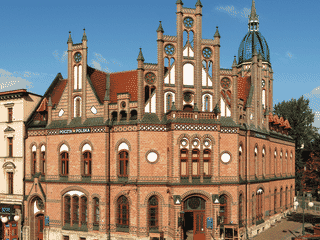
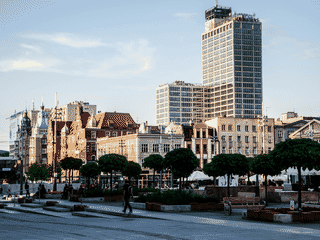
Gliwice is an industrial Silesian city that punches above its weight for history: it was the site of the 1939 false-flag radio attack that sparked World War II. The old town has been tastefully restored around a market square, and the city holds several museum branches, a Gothic church, and Europe's tallest wooden radio tower.
Architecture · Budget Travel · Day Trips · History · Museums
Before you go
History
Gliwice was Gleiwitz in Germany until 1945. The radio tower was the site of the 1939 false-flag attack that provided the pretext for invading Poland and igniting World War II.
Language
Polish is the local language. English is limited outside tourist-facing establishments. German may be understood by older residents due to the city's history.
Money
Poland uses the złoty (zł). Credit cards are accepted at hotels and larger restaurants, but carry cash for markets, smaller eateries, and museums.
Transport
Gliwice Railway Station is on the main Kraków-Warsaw line. Regional trains from Katowice take 20-30 minutes. The station is a 10-minute walk north of Rynek.