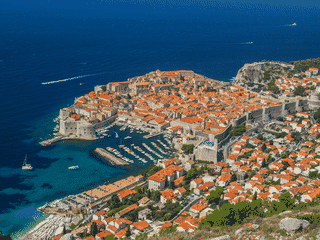

Dubrovnik
Eastern Europe and the Balkans · Croatia
Did you know?
- Stradun, also called Placa, runs east-west through the pedestrian Old Town.
- The old maritime republic competed with Venice.
- City-wall entrances include Pile Gate and Fort Saint John's.
See also
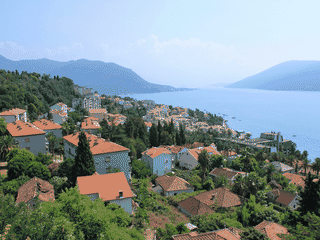

Herceg Novi
Montenegro42.45°N 18.53°E · 40 m
Overview
Dubrovnik is a fortified medieval city on the southern Adriatic coast. Its maritime republic once rivaled Venice, giving the city a strong seaborne history.
Languages: Croatian
Why Go
Dubrovnik is a fortified medieval city on Croatia's southern Adriatic coast that served as a powerful maritime republic rivaling Venice. Today it's a UNESCO World Heritage Site and Game of Thrones filming location, drawing cruise ships and tourists to its limestone streets, city walls, and cliffside fortresses. The city is the most expensive in Croatia and the Balkans outside capitals, but offers unparalleled history, island-hopping ferries, nearby beaches, and cultural festivals from July to August. George Bernard Shaw famously said those seeking paradise on Earth should come to Dubrovnik.
Adapted from Wikivoyage contributors · CC BY-SA 4.0
Understand
Founded on maritime trade, Dubrovnik (Latin: Ragusa) was the only Adriatic city-state to rival Venice, achieving remarkable development in the 15th and 16th centuries through wealth and skilled diplomacy. The city was one of the centres of Croatian language and literature, home to poets, playwrights, painters, and scholars. It survived constant threats from the Ottoman Empire and Venice, and by the 19th century had discovered celebrity tourism. Dubrovnik was heavily bombed in late 1991 during the Croatian War of Independence; mortar damage and shrapnel marks remain visible on cobblestones today. Since independence from Yugoslavia, the city has fully embraced consumerism and tourism.
Adapted from Wikivoyage contributors · CC BY-SA 4.0
Getting In
Dubrovnik Airport (Čilipi) is about 25 km south near Konavle, serving international flights. The main Dubrovnik Bus Station (Autobusni kolodvor) is in Kantafig near Port Gruž, 2.5 km northwest of the Old Town, with connections across Croatia and to Montenegro, Bosnia and Herzegovina, and beyond. Port Gruž (near the bus station) handles ferry connections to Split, Korčula, Hvar, and Mljet, with local buses 1, 1A, and 1B running frequently to the Old Town. Rideshare services Bolt and Uber operate in the city.
Adapted from Wikivoyage contributors · CC BY-SA 4.0
Getting Around
The Old Town is completely pedestrianized with a main east-west street (Stradun/Placa) and many stairs north and south. Wheeled suitcases are banned in the old city since summer 2023, with fines of at least €250; visitors should carry bags instead. Local buses connect the Old Town to Lapad Peninsula (bus #6), Babin Kuk (buses #6, #7), Port Gruž, and the airport. Bus tickets cost around €1-2. Taxis and rideshares (Bolt, Uber) are available. Some signs in the Old Town are misleading or outdated regarding bus offices.
Adapted from Wikivoyage contributors · CC BY-SA 4.0
When To Go
Peak season is July-August when Dubrovnik Summer Festival (10 July to 25 August) fills the city with drama, concerts, and open-air performances. May-June and September offer warm weather with fewer crowds. From November to March, most top-end restaurants close, and only budget tourist-trap establishments remain open, though discounts can be negotiated. Winter (October-April) sees the fewest tourists and lowest accommodation rates, but many attractions have shorter hours. July and August see up to four cruise ships daily, packing the Old Town.
Adapted from Wikivoyage contributors · CC BY-SA 4.0
Where To Stay
Budget options include private rooms from €10 per person, hostels around €16-18 per dorm bed, and guesthouses from €35-48. The Dubrovnik Backpacker's Club in Lapad and Youth Hostel Dubrovnik are popular. Mid-range hotels in Lapad Bay (3-4 star) offer sea views and breakfast from €75-200 double. Luxury five-star hotels (Hilton Imperial, Hotel Excelsior, Sun Gardens) cost €200-265+ per night. Staying in Lapad or Babin Kuk offers cheaper accommodation and beaches while being connected by bus to the Old Town. Private rooms near the bus station are common; owners accost arriving buses.
Adapted from Wikivoyage contributors · CC BY-SA 4.0
Food And Drink
Dubrovnik cuisine is characteristically not very spicy and famous for traditionalism. Local specialties include zelena menestra (vegetables with meat), pašticada (meat stew), and dubrovačka rozata (caramel dessert). Most Old Town restaurants offer similar seafood and meat menus at high prices reflecting tourist rents. Pizzerias serve decent wood-fired pizza from €6-9.30. The Kraš chocolate sold at stores is recommended. Cheap eats include Buffet Škola for sandwiches and pizza places outside the walls. Local wines from Pelješac Peninsula and Konavle are often cheaper than soft drinks. Rakija (homemade fruit brandy) is the most popular spirit. In off-season (November-March), most restaurants close.
Adapted from Wikivoyage contributors · CC BY-SA 4.0
Things To Do
Walking the City Walls (€15-30 depending on season) is essential, with entrances at Pile gate, Fort Saint John's, and Customs House. Fort Lovrijenac (€15) offers spectacular views and is free with City Walls ticket. The Dubrovnik Pass (€40-60 summer, €15-35 winter) includes wall entry, most museums, and unlimited bus rides. Cable car to Srđ mountain costs €30 round trip with panoramic restaurant. Beaches include Lapad (3.5 km from Old Town, sandy, car-free) and Banje (near Old Town, pebble, public section free). Swimming below the old walls at the harbor is free. Lazareti serves as a cultural centre with concerts, films, and clubs. The Dubrovnik Summer Festival runs 10 July to 25 August with 2,000+ artists.
Adapted from Wikivoyage contributors · CC BY-SA 4.0
Safety
Dubrovnik is generally very safe, though pickpocketing precautions should be taken. The Old Town's cobblestone streets are extremely slippery after centuries of foot traffic; at night, stick to modern illuminated streets with Victorian gas lamps. Sea urchins are common on rocks in the sea around Dubrovnik—wear water shoes when swimming near the old wall. The main road (D8) between Dubrovnik and Split has many sharp bends if driving. The city survived 1991 bombing, and some mortar damage remains visible.
Adapted from Wikivoyage contributors · CC BY-SA 4.0
Connectivity
Dubrovnik has 4G coverage from all Croatian carriers extending along the coastal highway. As of September 2021, 5G had not reached the area. WiFi is widely available in public places and most accommodations. Croatia uses Type F power plugs (European two-pin). Since January 2023, Croatia uses the euro (€) as currency, having switched from the kuna. SIM cards from Croatian providers (T-Mobile, A1, Tele2) offer affordable data packages.
Adapted from Wikivoyage contributors · CC BY-SA 4.0
Budget
Dubrovnik is the most expensive city in Croatia and the Balkans outside capitals—expect to pay roughly double for restaurant food compared to places like Herceg Novi in Montenegro. Daily budget for backpackers: €80-120 including dorm hostel (€16-18), simple meals at pizzerias and markets (€10-25), local bus (€2-4), and one major attraction like city walls (€15-30). Save money by staying in Lapad, eating at pizza places and Konoba Tabak-style local taverns, shopping at Konzum supermarket, and using the Dubrovnik Pass for museums and bus transport. Free activities include swimming at Lapad beaches, cliff diving at Cafe Buža, and walking the harbor.
Adapted from Wikivoyage contributors · CC BY-SA 4.0
Day Trips
Cavtat and the Konavle Valley are immediately to the south with coastal walks and Bukovac House. Trsteno has a 15th-century summer residence and Renaissance garden. Ston is known for oysters, salt ponds, and a 5 km stone wall. Mljet is a green island with national park, lakes, and monasteries. The Pelješac Peninsula offers wine tasting. Across the Pelješac Bridge (bypassing the former Bosnian border crossing at Neum), Makarska and Split are reachable. Inland to Bosnia and Herzegovina: Mostar (3 hours by bus) has Turkish heritage; Sarajevo is a remarkable scarred but safe city. To Montenegro: Herceg Novi, Kotor, and Budva offer Adriatic charm.
Adapted from Wikivoyage contributors · CC BY-SA 4.0
Etiquette
Since summer 2023, using wheeled suitcases in the Old Town can result in fines of at least €250. Visitors are asked to carry wheeled suitcases rather than roll them to reduce noise pollution for residents. Dress modestly when visiting churches (cover shoulders and knees). Ask permission before photographing locals. Tipping is appreciated but not mandatory; round up or tip 5-10% for good service. Be aware that Old Town residents live here—keep noise down, especially after midnight in residential areas.
Adapted from Wikivoyage contributors · CC BY-SA 4.0
Go Next
By ferry from Port Gruž: Korčula (2-3 hours), Hvar (2-5 hours depending on route), Split (4-6 hours), Mljet (1.5 hours). By bus: Split (4-5 hours), Zagreb (8-10 hours), Sarajevo (5-6 hours via Mostar), Montenegro destinations (Herceg Novi 1.5 hours, Kotor 2.5 hours, Budva 3 hours). Croatia's coast road (D8/E65) runs north to Split and south to Pelješac. The Pelješac Bridge now bypasses the Bosnian border crossing at Neum, making overland travel to southern Croatia smoother.
Adapted from Wikivoyage contributors · CC BY-SA 4.0
Field guide adapted from Wikivoyage contributors · CC BY-SA 4.0. Text has been adapted and organized for this guide. About our sources.
Places to know
A few starting points from the guide. Check current hours and prices before you go.
- eat
Arka
Dalmatian cuisine in an excellent location. Has some good vegetarian options. The baked moussaka especially is worth a try.
Adapted from Wikivoyage contributors
- eat
Barba
Great sea street food, big portions, nice and friendly staff. Even it is full inside, you can order for take away, sit on the steps in front of the restaurant and eat, while looking at the streets of Kings Landing.
Adapted from Wikivoyage contributors
- eat
Buffet Škola
Quaint, quick dinner. Delicious prosciutto, cheese, and salad. Excellent sandwiches. Freshly produced and the bread is a reminiscent of focaccia.
Adapted from Wikivoyage contributors
- eat
Domino Steak House
One of the best for a variety of ways of serving steak. Also serves traditional Dalmatian fare.
Adapted from Wikivoyage contributors
- eat
Dubravka 1836
Variety of pizzas, meat and seafood dishes, quality domestic and foreign wines, cocktails, homemade ice cream and desserts.
Recorded price: Pizza €8, mains €10-22, dessert €4
Adapted from Wikivoyage contributors
- eat
Gil's Little Bistro
Friendly place for a mid-town meal.
Adapted from Wikivoyage contributors
- eat
Konoba Tabak
Great food if you want to have a real taste of fresh fish & local food. A hang-out for the locals.
Adapted from Wikivoyage contributors
- eat
Lady Pi-Pi
Worth the climb for magnificent views over the old town from the restaurants' terrace and presumably taking its name from an ancient water feature just outside the restaurant (not for the prudish). Grilled fish with vegetables €15, grilled chicken with fries about €10, salads, etc. Be prepared to wait for a table with a terrace view as is very popular with locals - alternatively arrive before 20:00 to avoid the busiest times. Beware of wasps.
Adapted from Wikivoyage contributors
Before you go
Connectivity
4G coverage is good from all Croatian carriers. WiFi widely available. Type F power plugs (European two-pin) used throughout.
Culture
Wheeled suitcases banned in Old Town since 2023 (fines from €250). Dress modestly for churches. Tip 5-10% for good service.
Food
Traditional dishes include zelena menestra, pašticada, and dubrovačka rozata. Local wines from Pelješac are excellent value. Pizzerias offer best budget meals.
Money
Croatia uses euro (€) as of 2023. Dubrovnik is the most expensive city in Croatia—expect high prices for food and accommodation in the Old Town. ATMs are widely available.
Packing
Bring comfortable walking shoes for uneven stone streets and stairs. Water shoes recommended for swimming near rocky areas. Light layers for summer, rain jacket for shoulder seasons.
Safety
Dubrovnik is very safe overall. Watch for pickpockets in crowds and slippery cobblestones. Sea urchins common on rocks—wear water shoes.
Transport
Local buses (1, 1A, 1B, 6, 7) connect Old Town to Lapad, Babin Kuk, Port Gruž, and beaches for €1-2. Taxis and rideshares (Bolt, Uber) are available.
Weather
Peak season July-August is hot and crowded. May-June and September offer warm weather with fewer tourists. Winter is quiet but many restaurants close.