
Chichicastenango
Mexico, Central America and the Caribbean · Guatemala
Did you know?
- Toros and Castillos fireworks light the main square during the December patronal festival.
- Traditional Cofradia religious organizations flank the Church of Santo Tomas.
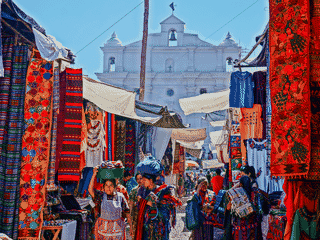
- The main market fills with textiles, produce and livestock on Thursdays and Sundays.
See also
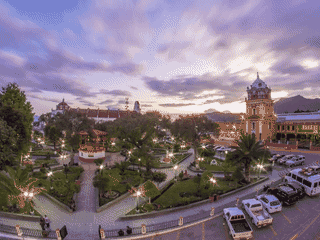

Solola
Guatemala14.77°N 91.18°W · 2,114 m
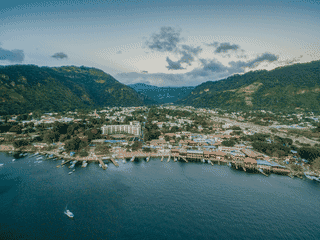

Panajachel
Guatemala14.74°N 91.16°W · 1,597 m
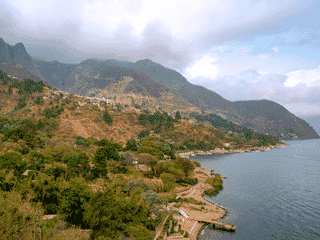

Santa Cruz la Laguna
Guatemala14.74°N 91.21°W · 1,832 m
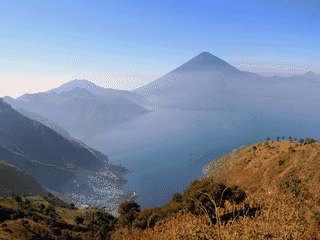

Lake Atitlán
Guatemala14.70°N 91.20°W · 1,562 m
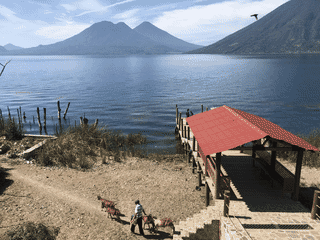

San Marcos La Laguna
Guatemala14.72°N 91.27°W · 1,460 m
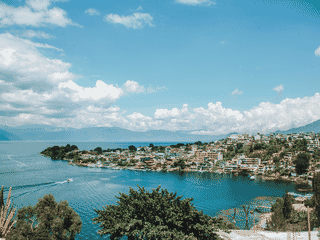

San Pedro la Laguna
Guatemala14.69°N 91.27°W · 1,610 m
Overview
Chichicastenango is a K'iche' Maya town surrounded by highland valleys and mountains. Its Thursday and Sunday market brings handwoven textiles and everyday commerce into the streets around colonial churches.
Languages: Spanish
Why go?
Chichicastenango (locally called 'Chichi') is a small K'iche' Mayan town at 2,030m in Guatemala's Western Highlands, home to about 23,000 people. Its main draw is one of Central America's most vibrant and photogenic markets, held every Thursday and Sunday — where vendors sell everything from live chickens to hand-woven textiles sourced from distant Mayan communities. The town sits surrounded by valleys and mountains, offering a vivid contrast between colonial Catholic churches and living indigenous traditions.
Adapted from Wikivoyage contributors · CC BY-SA 4.0
Getting in
The town lies 17km after the Los Encuentros junction, accessed via a road of endless switchbacks. Direct buses and shuttles run from Guatemala City, Antigua, and Panajachel — most route through the Los Encuentros junction where you change buses for the final leg. On market days (Thursday and Sunday), there is a steady flow of direct buses. Antigua-to-Chichi shuttle services typically cost around GTQ 80-120.
Adapted from Wikivoyage contributors · CC BY-SA 4.0
Getting around
Chichicastenango is compact enough to explore on foot. The central plaza and market area are within a few blocks of all the town's main hotels. Local buses and pick-up truck collective taxis (camionetas) serve routes to nearby villages and the Los Encuentros junction for connections onward.
Adapted from Wikivoyage contributors · CC BY-SA 4.0
When to go
The market is the reason to come, so plan your visit for a Thursday or Sunday. The Festival of Santo Thomas (December 13-22, with the biggest day December 21) is one of the largest celebrations in Guatemala — combining a city festival with traditional dances, religious processions by the Cofradia, and spectacular fireworks including Toros and Castillos set off in the main square after dark. Firecrackers and mortars are set off in front of the Church of Santo Thomas throughout the day during the festival.
Adapted from Wikivoyage contributors · CC BY-SA 4.0
Where to stay
Accommodation is limited and simple. Posada El Arco (Calle 4-36 4) is a family-run posada with a garden and breakfast included, priced around $15-30 USD — it's close to the market but has no website and is hard to reserve by phone; you simply show up. The Mayan Inn (Avenida 8a Calle 1-91) and the Santo Tomas Hotel (Av 5 - 32) are mid-range options, with the latter being the upscale choice right next to the market and church. During the Santo Thomas Festival in December, rooms fill quickly.
Adapted from Wikivoyage contributors · CC BY-SA 4.0
Food and drink
The market offers basic food stalls with local Guatemalan snacks. Casa San Juan Restaurante (8a Ave., Plaza Central) is tucked away on a side street and is where upscale Guatemalans go for good food in an old colonial building near the church — serving a mix of Guatemalan dishes and international options. Las Brasas (6a Calle, open daily 8AM-9PM) offers grilled meats in a traditional Mayan-decor setting. Budget travelers can eat well at market stalls for under GTQ 30-50.
Adapted from Wikivoyage contributors · CC BY-SA 4.0
Things to do
The Iglesia Santo Tomas (5a Avenida) is a colonial-era Catholic church that sits at the heart of town, fronted by the market and flanked by traditional religious Cofradia organizations. The Chichi Market (Plaza Central, open Thursday and Sunday mornings to late afternoon) is the main attraction — a sprawling market with handicrafts from local and distant Mayan communities. The Festival of Santo Thomas in December is a major cultural event with processions, dances, and fireworks. The surrounding valleys and mountains offer short hiking opportunities for those with extra time.
Adapted from Wikivoyage contributors · CC BY-SA 4.0
Shopping
Chichicastenango's market is the best place in the region to buy traditional Mayan fabrics and textiles. Vendors cluster by product type — flowers, produce, livestock, clothing — creating an informal zone structure. Prices generally drop the farther you go from the center. Go early in the morning to avoid tour groups arriving by bus. Be ready to bargain in a pleasant and enjoyable sort of way. While you may get better prices visiting a specific Mayan community directly, the Chichi market offers the fullest range of products in one place.
Adapted from Wikivoyage contributors · CC BY-SA 4.0
Connectivity
Mobile coverage (Tigo, Claro, and Claro's local subsidiary) is available in town. WiFi is limited to hotels and a few cafes around the plaza central.
Adapted from Wikivoyage contributors · CC BY-SA 4.0
Safety
Chichicastenango is generally safe for travelers, though the market can get crowded — watch your belongings. The town is at high altitude (2,030m); acclimatize and stay hydrated. On market days, traffic in the town center can be chaotic with buses and trucks.
Adapted from Wikivoyage contributors · CC BY-SA 4.0
Day trips
Lake Atitlán and the lakeside town of Panajachel are the most popular day-trip destinations — about 1.5-2 hours away by bus. The town of Salcajá, known for its colorful traditional textiles, is also nearby. Huehuetenango, a major highland town to the northwest, can be reached for a longer day trip.
Adapted from Wikivoyage contributors · CC BY-SA 4.0
Go next
Lake Atitlán (via Panajachel) is the top onward destination — a stunning volcanic lake ringed by villages. Panajachel is the main access point for the lake. Salcajá is a short trip for textile shoppers. Huehuetenango opens access to the far northwestern highlands and the Mexican border region.
Adapted from Wikivoyage contributors · CC BY-SA 4.0
Field guide adapted from Wikivoyage contributors · CC BY-SA 4.0. Text has been adapted and organized for this guide. About our sources.
Places to know
A few starting points from the guide. Check current hours and prices before you go.
- sleep
Mayan Inn
Adapted from Wikivoyage contributors
- sleep
Posada El Arco
Family run posada with a garden. Breakfast included. Unfortunately not easy to reserve (no website, no email, and phone hardly ever works). You'll get a room if you show up. Walking distance from the (famous.) market.
Recorded price: $15-$30
Adapted from Wikivoyage contributors
- sleep
Santo Tomas Hotel
The upscale hotel in Chichi. Right next to the market and the church.
Adapted from Wikivoyage contributors
- eat
Casa San Juan Restaurante
This is where upscale Guatemalans go for good food. The restaurant is in an old colonial building near the iglesia and offers a mix of Guatemalan dishes along with burgers etc.
Adapted from Wikivoyage contributors
- eat
Las Brasas
Lots of grilled meats and other items with traditional Mayan or Guatemalan decor.
Adapted from Wikivoyage contributors
- see
Chichi Market
A large market on Thursdays and Sundays with a wide range of handicrafts from local and far flung Mayan communities. Be ready to bargain in a pleasant and enjoyable sort of way.
Adapted from Wikivoyage contributors
- see
Iglesia Santo Tomas
Adapted from Wikivoyage contributors
- buy
Chichi Market
A large market on Thursdays and Sundays with a wide range of handicrafts from local and far flung Mayan communities. While you will get better prices if you visit a Mayan community, the Chichi market is the best place to see the full range of Mayan handicraft products. A must visit in Guatemala. Be ready to bargain in a pleasant and enjoyable sort of way.
Adapted from Wikivoyage contributors
Before you go
Culture
Chichicastenango is a living Mayan town; respect local customs, especially around the church and Cofradia religious activities. Photography of local people should be done with permission.
Money
The local currency is the Guatemalan quetzal (GTQ). ATMs are limited; withdraw in Panajachel or Antigua before arriving if possible.
Transport
Shuttles from Antigua to Chichicastenango cost around GTQ 80-120. Direct buses from Guatemala City, Antigua, and Panajachel all pass through the Los Encuentros junction.
Weather
At 2,030m altitude, the climate is mild and cool year-round. Pack layers and rain gear — the highlands can be rainy especially from May to October.