Cartagena
South America · Colombia
Did you know?
- Spanish colonial fortresses stand alongside the walled historic center.
- Plaza de los Coches occupies a former slave market.
- Fried fish comes with coconut rice and patacones.
See also
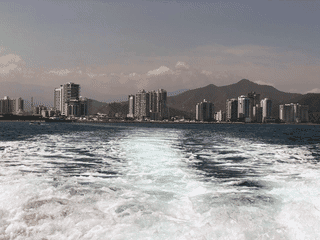

Santa Marta
Colombia11.24°N 74.21°W · 8 m
Barranquilla
Colombia10.96°N 74.80°W · 18 m
Minca
Colombia11.14°N 74.12°W
Taganga
Colombia11.27°N 74.19°W · 11 m
Overview
Cartagena is a Caribbean coastal city with a walled historic center and Spanish colonial fortresses. Its military and civil architecture are central to the city's appeal.
Languages: Spanish
Why go?
Cartagena de Indias is a stunning colonial city on Colombia's Caribbean coast, a UNESCO World Heritage site since 1984. Founded in 1533, its well-preserved walled city and fortresses showcase Spanish colonial military and civil architecture. Beyond history, the city offers vibrant nightlife, excellent fusion cuisine, and easy access to tropical islands and beaches. It is the most tourist-visited city in Colombia, popular both for its cultural richness and Caribbean atmosphere.
Adapted from Wikivoyage contributors · CC BY-SA 4.0
Getting in
Rafael Núñez International Airport (CTG) is 3 km northeast of the old city, with flights from New York, Panama City, Quito, Fort Lauderdale, Miami, Madrid, and many Colombian cities. Low-cost carrier VivaColombia also serves the city. The bus terminal offers connections to Santa Marta (COP$80,000, 5.5 hr) and other destinations. Cruise ships dock at the harbor near the old town.
Adapted from Wikivoyage contributors · CC BY-SA 4.0
Getting around
The historic center is compact and walkable. Bikes can be rented from Bike & Art (1 hr COP$4,000, 3 hr COP$10,000). Taxis are plentiful; negotiate fares upfront, especially to La Popa (around COP$50,000 round trip). Chiva buses, colorful open-air party buses, offer tours for COP$18,000-25,000. The old town is divided into El Centro, San Diego, and Getsemaní.
Adapted from Wikivoyage contributors · CC BY-SA 4.0
When to go
The dry season runs from December to April, with July also seeing less rain. Even in the rainy season, sunny days outnumber rainy ones. September and October are wettest. The city gets extremely crowded during Christmas holidays and Semana Santa (Holy Week), when Colombian schools are out. Year-round temperatures are consistently hot, with daytime highs around 32°C and nighttime lows around 23°C.
Adapted from Wikivoyage contributors · CC BY-SA 4.0
Where to stay
Budget accommodation concentrates in Getsemaní, where colonial houses have been converted into hostels. Dorm beds start at COP$15,000 (Amber Hostel) and private rooms from COP$35,000 (Casa Viena). The walled city itself has pricier options, while Bocagrande offers many hotels of all prices. For a unique experience, consider staying in a restored colonial mansion hostel. Budget: under COP$80,000 per night; mid-range: COP$80,000-250,000; splurge: over COP$250,000.
Adapted from Wikivoyage contributors · CC BY-SA 4.0
Food and drink
Cartagena's fusion cuisine blends African, Indigenous, and European influences. Local 'corrientes' restaurants serve set lunches (soup, main, juice) for around COP$6,000-12,000. Specialties include fried fish with coconut rice (arroz de coco) and patacones. Street vendors sell exotic fruit juices for COP$2,000. For a treat, try ceviche at La Cevicheria (COP$25,000) or Colombian franchise Crepes & Waffles (dishes around COP$25,000). Nightlife ranges from salsa bars like Donde Fidel (beer COP$2,500) to the Avenida del Arsenal disco strip (entry COP$10,000-20,000).
Adapted from Wikivoyage contributors · CC BY-SA 4.0
Things to do
Explore the walled city's plazas: Plaza de los Coches (former slave market), Plaza de la Aduana, and Plaza de Bolívar. Visit the Convento de San Pedro Claver (COP$6,000), the Palacio de la Inquisición (COP$17,000), and the Museo del Oro (free). Climb the Castillo de San Felipe fortress (COP$30,000, audio guide COP$10,000) for city views. Nearby, the 150-m La Popa hill offers panoramic views and the Santa Cruz monastery (COP$8,000). Take a Chiva bus party tour or a day trip to Islas del Rosario or Volcán del Totumo. Learn salsa at Crazy Salsa (intro class COP$10,000).
Adapted from Wikivoyage contributors · CC BY-SA 4.0
Stay safe
The touristed old town is generally safe, but be cautious in peripheral areas and at night. Getsemaní becomes seedy after dark with aggressive beggars and drug pushers. A firm 'No quiero nada' in Spanish usually deters vendors. Avoid buying illegal drugs; a common scam involves fake police demanding 'fines'. The old town is safe compared to other Colombian cities, but remain vigilant in quiet streets after dark.
Adapted from Wikivoyage contributors · CC BY-SA 4.0
Connect
Internet cafés are common; Contact Internet Café charges COP$1,000/hr, Micronet COP$1,500/hr. Many hotels and hostels offer free Wi-Fi. Stamps can be bought at Adpostal in La Matuna. The city library (Biblioteca Bartolomé Calvo) offers free access.
Adapted from Wikivoyage contributors · CC BY-SA 4.0
Budget
A daily backpacker budget can be as low as COP$50,000-70,000: dorm bed around COP$25,000, local set meal COP$12,000, fruit juice COP$2,000, and museum entry COP$6,000-17,000. Mid-range travelers might spend COP$100,000-150,000. Budget accommodation is cheap in Getsemaní; street food and local eateries keep food costs low.
Adapted from Wikivoyage contributors · CC BY-SA 4.0
Day trips
Islas del Rosario: a boat tour (around COP$50,000-70,000 including lunch, aquarium, and Playa Blanca) takes you to a coral archipelago. Volcán del Totumo: a 15-m mud volcano 45 km northeast; tours cost COP$30,000-50,000 and often include lunch and a beach stop. Playa Blanca on Isla Baru is a popular beach day trip. Santa Marta is reachable by bus (COP$80,000, 5.5 hr).
Adapted from Wikivoyage contributors · CC BY-SA 4.0
Go next
From Cartagena, buses head to Santa Marta (COP$80,000, 5.5 hr, Berlinastur) with connections to Barranquilla. The nearby Volcán del Totumo is a popular half-day trip. For those continuing overland, buses also serve Bucaramanga, Cúcuta, and Bogotá. Boat trips to the San Blas Islands in Panama are organized by some hostels.
Adapted from Wikivoyage contributors · CC BY-SA 4.0
Field guide adapted from Wikivoyage contributors · CC BY-SA 4.0. Text has been adapted and organized for this guide. About our sources.
Places to know
A few starting points from the guide. Check current hours and prices before you go.
- eat
Abaco
Cafe & Book Store is a great place to relax and get some peace and quiet. Local books on Cartagena in addition to great coffee.
Recorded price: Hot beverage and cake around COP$9000
Adapted from Wikivoyage contributors
- eat
Atahualpa
Peruvian place with fresh fish. The menu of the day is great value
Recorded price: Set dinner soup, main and juice for COP$12,000
Adapted from Wikivoyage contributors
- eat
Cafe El Santisimo
One of the must-see restaurants of Cartagena.
Recorded price: Dishes around COP$50,000
Adapted from Wikivoyage contributors
- eat
Club de Pesca
Fine dining restaurant specializing in the "fruits of the sea". Great seafood and great atmosphere. Located in Manga with view to the bay and marinas of Cartagena.
Recorded price: Mains COP$40,000-60,000
Adapted from Wikivoyage contributors
- eat
Crepes & Waffles
Very nice Colombian franchise restaurant which offers very good dishes to excellent prices.
Recorded price: dishes around COP$25,000
Adapted from Wikivoyage contributors
- eat
Donde Olano
Great sea food with fusion style, don´t miss the shrimps in passion fruit and coconut rice.
Recorded price: Mains COP$30,000-70,000, but does have some more affordable alternatives
Adapted from Wikivoyage contributors
- eat
El Balcón
2nd floor restaurant that overlooks the Plaza San Diego. Small balcony for seating, but great food, both fish and meat. Good set menus and 2-for-1 specials on cocktails every day from 18:00-21:00.
Recorded price: About COP$45,000 with drink
Adapted from Wikivoyage contributors
- eat
El Corral
Very nice Colombian franchise hamburger chain.
Recorded price: Good quality hamburgers for COP$10,000-15,000 for a combo.
Adapted from Wikivoyage contributors
Before you go
Language
Spanish is the official language. English is spoken in tourist areas, but basic Spanish phrases are helpful.
Money
Local currency is the Colombian peso (COP). ATMs are widely available in the city center, but some may charge high fees. Carry small bills for street vendors.
Safety
The old town is relatively safe, but be cautious in Getsemaní at night and avoid peripheral areas. Street vendors can be persistent.
Tipping
Tipping is not mandatory but appreciated. A 10% service charge is often included in restaurant bills. Tip guides and helpers on tours (e.g., mud volcano) COP$1,000-5,000.
Transport
The old town is walkable. Taxis are unmetered; agree on fare before getting in. Buses from the terminal connect to other cities.
Weather
Tropical climate with year-round heat. Dry season Dec-Apr; rainy season May-Nov, with heavy rain in Sep-Oct. Always carry sunscreen and a hat.