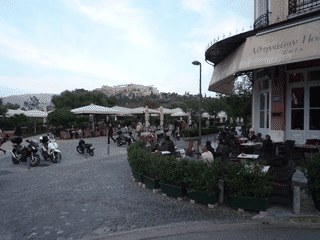
.jpg)
Athens
Eastern Europe and the Balkans · Greece
Did you know?
- A single transit ticket allows transfers for 90 minutes.
- The Acropolis, Parthenon and Ancient Agora share this urban setting.
- Psyrrí, Gazi and Exarcheia are late-night bar districts.
See also
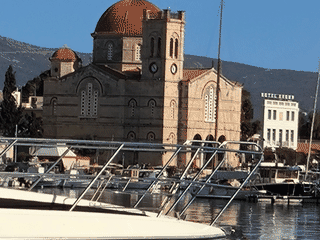

Aegina
Greece37.74°N 23.44°E · 531 m
Overview
Athens pairs the Acropolis and Parthenon with the Ancient Agora. The National Archaeological Museum adds artifacts from Mycenae to Santorini.
Languages: Greek
Why go?
Athens is the capital of Greece with a metropolitan population of 3.6 million. It was a major centre of Classical Greece and deeply influenced Western civilization. Today, it's a vibrant modern city where ancient monuments coexist with contemporary culture, offering a mix of history, nightlife, and bustling streets.
Adapted from Wikivoyage contributors · CC BY-SA 4.0
Getting in
Athens is served by Eleftherios Venizelos International Airport (ATH), with flights from major European cities. Long-distance buses arrive at Liosion or Kifissos KTEL stations. Trains from Larissa Station connect to northern Greece and beyond. Ferries from Piraeus port link the islands.
Adapted from Wikivoyage contributors · CC BY-SA 4.0
Getting around
Athens has a unified public transport system with metro, tram, and buses operated by OASA. A single ticket allows unlimited transfers for 90 minutes. Signs are in Greek and English, and most staff speak English.
Adapted from Wikivoyage contributors · CC BY-SA 4.0
When to go
Spring and late autumn offer the best weather for visiting. Summer can be extremely hot and dry, while winter is low season with occasional rain and fewer tourists. Smog can be an issue during peak traffic, but skies are usually blue.
Adapted from Wikivoyage contributors · CC BY-SA 4.0
Where to stay
Accommodation ranges from hostels and camping to 5-star luxury. The most central area is Plaka, with easy access to sights. For modern hotels with sea views, consider coastal suburbs like Glyfada or Piraeus. Prices vary: dorm beds from €12, budget doubles from €28.
Adapted from Wikivoyage contributors · CC BY-SA 4.0
Food and drink
Plaka and Kolonaki are excellent for dining. Traditional tavernas serve Greek dishes like souvlaki (around €2) and moussaka. For nightlife, head to Psyrrí, Gazi, or Exarcheia for bars and clubs that open late. Greeks eat dinner after 20:00.
Adapted from Wikivoyage contributors · CC BY-SA 4.0
Things to do
Must-see landmarks include the Acropolis, Parthenon, and Ancient Agora. The National Archaeological Museum houses treasures from Mycenae to Santorini. For a break, visit the National Gardens or hike up Lycabettus Hill for panoramic views. In summer, head to the south coast beaches.
Adapted from Wikivoyage contributors · CC BY-SA 4.0
Safety
Athens is generally safe, but watch for pickpockets on the metro and in crowded areas. Be wary of the 'friendly stranger' bar scam. Avoid demonstrations near Syntagma, and be cautious in Exarcheia at night. Football rivalry between Panathinaikos and Olympiacos can lead to violence.
Adapted from Wikivoyage contributors · CC BY-SA 4.0
Connectivity
Athens has 5G coverage from Cosmote, Vodafone, and Nova. Free Wi-Fi is widely available in public places and accommodations.
Adapted from Wikivoyage contributors · CC BY-SA 4.0
Budget
A backpacker can get by on €40–60 per day, including dorm accommodation (€12–15), street food meals (€2–5), and a few museum entries (€10–20). Transport is affordable with a single ticket covering all modes for 90 minutes.
Adapted from Wikivoyage contributors · CC BY-SA 4.0
Day trips
Beaches in south Athens are reachable by bus A2, B2 or tram from Syntagma. Parnitha National Park offers hiking trails. The ancient theatre of Epidaurus is a popular day trip during the Athens Festival (May–October).
Adapted from Wikivoyage contributors · CC BY-SA 4.0
Go next
From Athens, ferries connect to the Greek islands from Piraeus, Rafina, and Lavrio. Trains and buses head to northern Greece, and international buses go to Albania, Bulgaria, and Turkey.
Adapted from Wikivoyage contributors · CC BY-SA 4.0
Field guide adapted from Wikivoyage contributors · CC BY-SA 4.0. Text has been adapted and organized for this guide. About our sources.
Places to know
A few starting points from the guide. Check current hours and prices before you go.
- eat
Aspro Alogo
An excellent little Greek restaurant well worth finding. Everything is fresh and delicious and the service is great. The owner is a helpful and generous guy. Attentive and familiar treatment.
Adapted from Wikivoyage contributors
- eat
Atlantikos
Nice little place with great seafood selection. The meals look simple and are delicious. The portions are quite large and the quality price ratio is very well balanced. One should go in time and expect quite some waiting time to get a table on a small alley. Best local fish tavern with crunchy anchovies and perfect frying without being oily.
Adapted from Wikivoyage contributors
- eat
Cafe Avissinia
A remarkable restaurant, serving refined and creative innovations on traditional Greek dishes in a chic setting. It is on the square of the same name which is the venue of the main Athens flea market. This is an interesting place to come for lunch, where you can sit enjoying the upscale food and ambiance while looking out on the gritty bazaar of the Flea Market. Moderately expensive, and unfortunately no open wine, though they do have a short but well-chosen list of Greek bottled wines. Open for lunch and dinner. Those considering walking there for dinner from Plaka or the Monastiraki Metro should be aware that the intervening area, while fine by day and not known to be particularly dangerous even at night, it does take on an uncomfortable "Bladerunner" atmosphere after dark.
Adapted from Wikivoyage contributors
- eat
Giántes
A tavern with a garden serving organic dishes.
Adapted from Wikivoyage contributors
- eat
K Filippou
A long-established taverna serving some of the best and most authentic food in Athens. Seating is indoors and outdoors, though it's hard to find a seat in the latter during pleasant weather.
Adapted from Wikivoyage contributors
- eat
Kafeneio Ivis
Very authentic Greek tavern, frequented by locals. Great value for money. Warm welcome, nice terrace and fast service.
Adapted from Wikivoyage contributors
- eat
Karamanlidika
A very remarkable, slightly upscale restaurant specializing in dishes native to the Karamanli people. Owing to their history, the food served here is a (very well-executed) mix between Greek and Turkish cuisine. A hidden gem (that is rather crowded, though). Expect to pay 11€ per person for main courses and water.
Adapted from Wikivoyage contributors
- eat
Karavitis
a severely traditional taverna where the speciality is stamnaki, or beef, potatoes and cheese cooked in tomato sauce in an individual clay pot. The fried zucchini here are also always good. Mostly patronized by Greeks, but there is an English-language menu.
Adapted from Wikivoyage contributors
Before you go
Connectivity
5G coverage from Cosmote, Vodafone, and Nova. Free Wi-Fi in many public places.
Culture
Dress modestly when visiting churches. Tipping is appreciated but not mandatory.
Emergency
General emergency number: 112. Police: 100. Ambulance: 166.
Health
Tap water is generally safe, but bottled water is widely available. Sun protection in summer.
Language
Greek is the official language, but English is widely spoken in tourist areas. Signs are bilingual.
Local transport
Public transport by metro, tram, bus. Single ticket valid 90 min with transfers. Metro runs from ~5:30 to midnight.
Money
Greece uses the euro (€). ATMs are widely available. Credit cards are accepted in most hotels and restaurants, but some smaller shops may be cash-only.
Safety
Athens is generally safe, but pickpockets are common on the metro. Avoid demonstrations and be cautious in Exarcheia at night.
Transport
Public transport (metro, tram, bus) is efficient with a single ticket valid for 90 minutes. The metro runs from about 05:30 to midnight.
Visa context
Visa rules depend on passport; check current entry rules before booking.
Weather
Best visited in spring and autumn. Summer can be extremely hot; winter is mild with some rain.