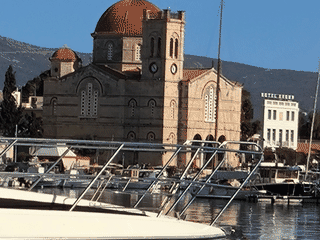

Aegina
Eastern Europe and the Balkans · Greece
Did you know?
- The Doric Temple of Aphaea was built around 500 BC.
- Moni has deer and a beach landing reached by water taxi from Perdika.
- Many sculptures from the temple are now in Munich's Glyptothek.
See also
.jpg)
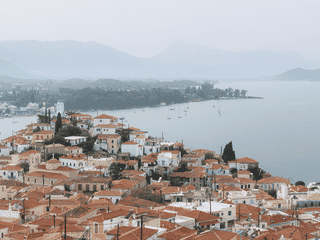
Poros
Greece37.53°N 23.45°E · 358 m
.jpg)
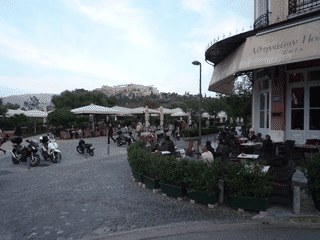
Athens
Greece37.97°N 23.72°E · 74 m
Overview
Aegina combines an old port and waterfront cafes with the Temple of Aphaea. The temple stands on a pine-covered ridge, adding an ancient landmark to an island break.
Languages: Greek
Why go?
Aegina is the closest Saronic Gulf island to Athens—barely an hour by hydrofoil from Piraeus port. It feels more like a beach suburb than a typical Greek island: agreeable old port, waterfront cafes, and the famed Temple of Aphaea on a pine-scented ridge. Athenians have long escaped here for weekend heat relief, and it remains more low-key than islands purpose-built for tourism. The island is famous for its pistachios (φιστίκια) with PDO status—distinctive pale shells, red-green kernels, intense sweet taste. You can buy them at any wayside kiosk and try them with salt and lemon juice.
Adapted from Wikivoyage contributors · CC BY-SA 4.0
Getting in
Frequent ferries connect Piraeus port in Athens to Aegina town. Hydrofoils for foot passengers take 40 minutes with a single fare of €14; conventional vessels carrying cars and motorbikes take 70 minutes for €10. Within Piraeus, follow signs for 'Aegina' and 'Gate E8' (though the gate can shift—check electronic screens, sometimes E7). In normal times hydrofoils sail hourly 07:00-17:00, with some continuing to Agistri, Poros, or Methana. Operators include Hellenic Seaways and Blue Star Ferries. As of December 2025, only hydrofoil options are available from these carriers.
Adapted from Wikivoyage contributors · CC BY-SA 4.0
Getting around
Five car rental agencies near the harbour also offer motorbikes and scooters—book ahead to ensure availability, as some offerings are dilapidated. For day trips, hiring a taxi can be more practical; drivers know the roads, parking spots, and timing to return you to the ferry pier. Buses are limited: three routes start from the stand by the harbour, all taking at most 30 minutes to the end of the line. Single tickets cost €2, payable in cash on board. Destinations are only shown in Greek—ask the driver if unsure. Route 1 (yellow) follows the north coast; Route 2 (blue) runs east past the Temple of Aphaea; Route 3 (orange) heads south to Perdika.
Adapted from Wikivoyage contributors · CC BY-SA 4.0
When to go
Peak season is summer (June-August) when Athenians flood the island for beach escapes—expect higher prices and more crowds, especially on weekends. Spring (April-May) offers milder temperatures, wildflowers, and fewer tourists. The island can get busy with day-trippers from Athens, particularly when cruise ships dock on the east pier. Autumn (September-October) provides comfortable weather for sightseeing and lower accommodation rates. Winter sees much reduced ferry service and many tavernas closed.
Adapted from Wikivoyage contributors · CC BY-SA 4.0
Where to stay
The main accommodation strip starts north of Aegina town and straggles along the coast through Souvala to Vagia—a good budget-to-midrange option near north coast beaches. Other clusters cluster around Agia Marina (east side) and Perdika (southwest tip). Aegina Hotel on Dimitri Petriti St 23 offers B&B doubles from €45 with free WiFi and balconies overlooking the harbor. Hotel Rastoni, 200m north of the ferry pier, has charming garden setting with B&B doubles at €75. Blue Dolphin studios in Vagia offer doubles at €75 with pool and friendly Swedish owners. Budget backpackers should look for rooms in the older town behind the harbor.
Adapted from Wikivoyage contributors · CC BY-SA 4.0
Food and drink
Aegina town waterfront is lined with cafes and tavernas. Flisvos, north of the pier (daily 10:00-00:00), and Pantarei on the harbour (daily 07:30-03:00) are reliable choices. Agia Marina has Pita Tom (daily 12:00-00:00) serving fresh, inexpensive souvlaki and gyros. Perdika at the southwest tip has a whole row of good tavernas by the harbor. Vagia beach has Aeredes (daily 10:00-00:00) with good Greek food and sea views. For drinks, Perdikiotika at 38 Apheas in Aegina town has charming decor; Bartan and Barrera are on Irioti at the north end of the harbor, with Belle Epoque a couple of blocks inland on Pileos. The rest of the island relies on waterfront tavernas rather than free-standing bars. The fish market is in a pungent alley by the harbour, open daily 06:00-21:00.
Adapted from Wikivoyage contributors · CC BY-SA 4.0
Things to do
The Temple of Aphaea (13km east of town, €6 entry, daily 10:00-17:00) is the island's headline attraction—a Doric temple built 500 BC on a ridge of pine trees, once worshiped by Aegina's own goddess before merging into Athena and Artemis. Most sculptures are now in Munich's Glyptothek. Climb Oros, the island's highest peak at 532m (5km southeast of town)—follow Lefkis road towards Anitseo, well-marked path passes remains of a temple to Zeus, takes 45 minutes, panorama over the Saronic Gulf. Best beaches are Souvala (north coast), Agia Marina (east), Marathonas (5km south of town), and Perdika. The Aegean Sailing School on Martyros Leontiou offers RYA sailing courses in English (M-Sa 09:00-17:00, Su 14:30-19:00).
Adapted from Wikivoyage contributors · CC BY-SA 4.0
Safety
Aegina is generally very safe for travelers. Take care with sun protection and keeping hydrated—the sea breeze is cooling so you don't realize how sun-frazzled you're getting. Standard precautions against pickpocketism in crowded tourist areas apply. Tap water is generally safe to drink but many prefer bottled water.
Adapted from Wikivoyage contributors · CC BY-SA 4.0
Connectivity
As of August 2022, Aegina town has 4G coverage from all Greek carriers, but the signal becomes patchy about 3km out of town. You might pick up 5G from Piraeus on the ferry ride over. WiFi is available in most hotels and cafes—Aegina Hotel offers free WiFi.
Adapted from Wikivoyage contributors · CC BY-SA 4.0
Budget
Budget travelers can manage on €50-70/day including ferry (€14 hydrofoil or €10 conventional from Piraeus), dorm-style accommodation or budget room (€30-50), simple meals at tavernas and souvlaki stands (€8-15 per meal), and local buses (€2 per ride). Midrange travelers spending €80-120/day get private rooms, better tavernas, temple entry fees, and occasional taxi use. Key expenses: Temple of Aphaea €6, Temple of Apollo €4 (conc €2), Christos Kapralos Museum €5 (conc €3).
Adapted from Wikivoyage contributors · CC BY-SA 4.0
Day trips
Moni is the bosky island just west of Perdika, 1km long, reached by a 10-minute water taxi. There's a beach bar at the landing point but it's otherwise uninhabited—the deer will come looking for handouts. Nisida off Aegina's northeast tip is a wooded 100m place flanked by two smaller outcrops, seldom visited; Zoodochos Pigi there is a modern church (meaning 'life-giving spring'). Agistri island is a short ferry ride away and known for its pine forests and beaches. Seasonal ferries continue from Aegina town to Agistri and to Poros and Methana on the Epidaurus mainland.
Adapted from Wikivoyage contributors · CC BY-SA 4.0
Go next
Most routes mean taking the ferry back to the mainland. Piraeus port is worth a few hours before heading into Central Athens—the city has world-class museums, ancient sites, and vibrant neighborhoods to explore. Seasonal ferries continue from Aegina town to the island of Agistri (known for pine forests and beaches) and to Poros and Methana on the Epidaurus mainland. Poros has a charming clock tower and is close to the archaeological site of Troezen; Methana is volcanic with hot springs.
Adapted from Wikivoyage contributors · CC BY-SA 4.0
Field guide adapted from Wikivoyage contributors · CC BY-SA 4.0. Text has been adapted and organized for this guide. About our sources.
Places to know
A few starting points from the guide. Check current hours and prices before you go.
- sleep
Aegina Hotel
Simple 2-star hotel close to harbour, with 19 rooms and friendly staff. It offers 2 double rooms, 11 twin rooms and 6 triple (2 + 1 beds). All have private bathroom, a/c and TV, many have balconies overlooking the sea; some rooms have a refrigerator. There's a courtyard with palm trees and a terrace with views of the harbor and town. Free Wifi.
Recorded price: B&B double €45
Adapted from Wikivoyage contributors
- sleep
Blue Dolphin studios & apartment
Small place with six studios and one apartment, and pool. Friendly, helpful Swedish owners.
Recorded price: Double (room only) €75
Adapted from Wikivoyage contributors
- sleep
Hotel Rastoni
Charming small guesthouse with garden.
Recorded price: B&B double €75
Adapted from Wikivoyage contributors
- eat
Aeredes
Good Greek food, sea views and friendly staff.
Adapted from Wikivoyage contributors
- eat
Flisvos
Reliable waterfront cafe north of the pier with good Greek food and harbor views.
Adapted from Wikivoyage contributors
- eat
Pantarei
Harbourside cafe with extended hours, good for early breakfast or late dinner.
Adapted from Wikivoyage contributors
- eat
Perdika tavernas
Row of good tavernas by the harbour in this fishing village at the southwest tip.
Adapted from Wikivoyage contributors
- eat
Pita Tom
Fresh, inexpensive souvlaki and gyros in Agia Marina.
Adapted from Wikivoyage contributors
Before you go
Connectivity
4G coverage in Aegina town from all Greek carriers; signal drops 3km out. Free WiFi in most hotels and cafes.
Culture
In legend, Aegina was a goat-nymph carried off by Zeus, who fathered Aeacus—the island was named for her. In the 7th-5th centuries BC, Aegina was a major maritime trading state with its own currency.
Food
Aegina pistachios (φιστίκια) are a must-try local specialty with PDO status. Fish market near harbor opens 06:00-21:00. Tavernas cluster along waterfront in Aegina town, Agia Marina, and Perdika.
Health
No specific health risks; standard travel precautions.
Local transport
Buses cost €2 single, cash. Taxis available. Car rental from harbour agencies.
Money
Euro (€) is the currency. Smaller tavernas and kiosks prefer cash; hotels and nicer restaurants accept cards. Aegina's fish market is cash-only. ATMs available near the harbor.
Safety
Generally very safe island. Sun protection is essential despite cooling sea breeze. Standard urban precautions apply in tourist areas.
Transport
Hydrofoils (€14, 40 min) are fastest from Piraeus; conventional ferries (€10, 70 min) also carry vehicles. Buses cost €2 per ride with limited schedules—routes only shown in Greek.
Visa context
Visa rules depend on passport; check current entry rules before booking. Greece is part of the Schengen Area.
Weather
Hot, dry summers (June-August) with sea breeze; spring and autumn are milder and ideal for sightseeing. Ferry service reduces in winter and many businesses close.