Atalaya
South America · Peru
Did you know?
- Macaws gather at the Colpa de Inuya clay lick.
- The Tambo and Urubamba rivers join here to form the Ucayali.
- The town's nickname translates as the Emerald of Ucayali.
See also
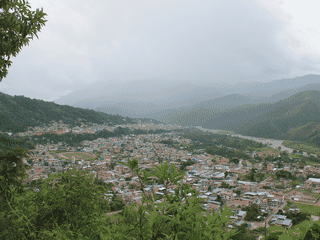

La Merced
Peru11.06°S 75.34°W · 751 m
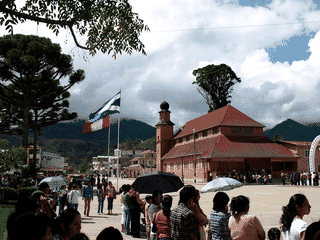

Oxapampa
Peru10.58°S 75.40°W · 1,814 m
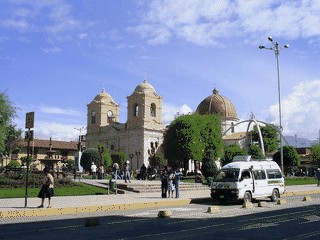

Huancayo
Peru12.07°S 75.22°W · 3,271 m
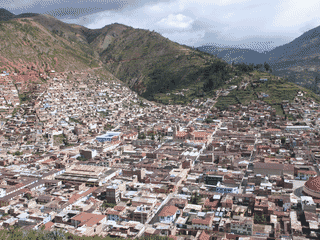

Tarma
Peru11.42°S 75.69°W · 3,053 m
Overview
Atalaya is a remote gateway into the Peruvian Amazon. The town lies where the Tambo and Urubamba meet to form the Ucayali, making rivers central to a visit.
Languages: Aymara, Quechua, Spanish
Why Go
Atalaya is a remote gateway into the Peruvian Amazon, positioned where Rio Tambo and Rio Urubamba converge to form the Rio Ucayali. The town is sometimes called La Esmeralda del Ucayali (The Emerald of Ucayali) and serves as the capital of Atalaya Province in the Raymondi District. It offers a quieter, less-touristed alternative to larger Amazon hubs, with access to thermal springs, macaw clay licks, and jungle rivers.
Adapted from Wikivoyage contributors · CC BY-SA 4.0
When to Go
The rainy season runs from December through March, with temperatures ranging from 18°C to 37°C year-round. Travelers heading upstream on Rio Urubamba toward Kiteni or Sepahua should avoid the wet season due to dangerous rapids, particularly the Pongo de Mainique. The dry season (April-November) offers more reliable river transport but hotter conditions.
Adapted from Wikivoyage contributors · CC BY-SA 4.0
Getting In
Atalaya is accessed primarily by river or road. Downstream on Rio Ucayali, boats travel to Pucallpa (2-5 days depending on conditions). Upstream routes lead to Ivochote, Sepahua, Kiteni, and eventually Quillabamba and Machu Picchu. Road connections exist to La Merced, Pichanaki, Satipo, and Puerto Ocopa.
Adapted from Wikivoyage contributors · CC BY-SA 4.0
Getting Around
The town sits along the Malecon facing Plaza 29 de Mayo. Most destinations require either river transport or vehicles heading into the surrounding jungle regions. Hostal Peruanita on Jiron Raimondi is located just off the Malecon.
Adapted from Wikivoyage contributors · CC BY-SA 4.0
Where to Stay
Hostal Peruanita (formerly Hostal Denis) at Jiron Raimondi #144 offers the main accommodation option, with rooms priced at S/. 20 for singles and S/. 25 for couples. Rooms 100-107 open onto a large garden. Run by a friendly family, the hostel is quiet day and night.
Adapted from Wikivoyage contributors · CC BY-SA 4.0
Food and Drink
Chocolate & Pimienta on Jiron Purus Cuadra 7 is described as the best restaurant in Atalaya, offering clean, nicely appointed, and inexpensive high-quality meals. The menu changes based on market availability, with a prix fixe full lunch including beverage for S/. 9.
Adapted from Wikivoyage contributors · CC BY-SA 4.0
Things to Do
The most interesting activity is navigating the river confluence where Rio Tambo (cold, brown, from highlands) meets Rio Urubamba (green, warm, from jungle). The waters do not mix, allowing visitors to see two distinct colors and temperatures running parallel for miles. Nearby attractions include Aguas Termales Unini (60°C sulphurous hot springs surrounded by lush vegetation), Quebrada de Sapani (gorge with pools, waterfalls, and Ashaninka community), Colpa de Inuya (clay lick attracting large macaws), Quebrada Canuja (cold water springs), and Cascada de Corintoni.
Adapted from Wikivoyage contributors · CC BY-SA 4.0
Go Next
River options include downstream to Pucallpa (2-5 days), upstream to Ivochote (7-9 hours by road from Kiteni), Sepahua (less than 1 day upstream), and Kiteni (several days upstream, not recommended in wet season due to Pongo de Mainique rapids). Road connections lead to Puerto Ocopa (less than 1 day upstream via Rio Tambo), La Merced, Pichanaki, and Satipo. From Kiteni, road access continues to Quillabamba and Machu Picchu.
Adapted from Wikivoyage contributors · CC BY-SA 4.0
Field guide adapted from Wikivoyage contributors · CC BY-SA 4.0. Text has been adapted and organized for this guide. About our sources.
Places to know
A few starting points from the guide. Check current hours and prices before you go.
- sleep
Hostal Peruanita
This place is quiet day and night. The rooms 100 - 107 open onto a large garden adding green space (and fewer guests) to the mix. Water and juices available at market prices. Run by a friendly family.
Recorded price: S/. 20 single. S/. 25 couple
Adapted from Wikivoyage contributors
- eat
Chocolate & Pimienta
Clean, nicely appointed yet inexpensive high-quality meals. Menu changes to market availability. Prix fixe full-lunch with beverage S/. 9. Easily the best restaurant in Atalaya.
Adapted from Wikivoyage contributors
- see
Aguas Termales Unini
Small hot spring 60°C, sulphurous water. The area is surrounded by lush vegetation.
Adapted from Wikivoyage contributors
- see
Cascada de Corintoni
Adapted from Wikivoyage contributors
- see
Colpa de Inuya
Clay containing high concentration of salts, which attracts large numbers of macaws.
Adapted from Wikivoyage contributors
- see
Quebrada Canuja
Cold water springs.
Adapted from Wikivoyage contributors
- see
Quebrada de Sapani
Gorge, several pools surrounded by lush vegetation and waterfalls. Also a native Ashaninka community.
Adapted from Wikivoyage contributors
Before you go
Money
Atalaya is a small remote town; carry sufficient cash as ATM access is likely limited or nonexistent. Peruvian Sol (S/.) is the local currency.
Transport
River transport is the primary means of reaching destinations along Rio Ucayali, Rio Tambo, and Rio Urubamba. Road connections are sparse and may be in poor condition.
Weather
Tropical climate with temperatures 18-37°C. Rainy season December-March may disrupt transport and make river travel hazardous.