Mount Cook National Park, Aoraki
Oceania · New Zealand
See also
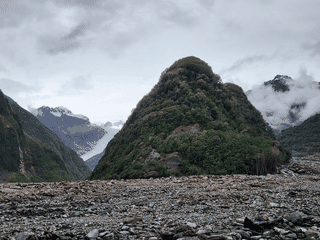

Fox Glacier
New Zealand43.46°S 170.02°E
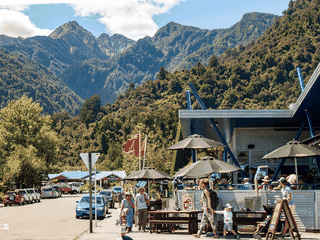

Franz Josef
New Zealand43.38°S 170.18°E
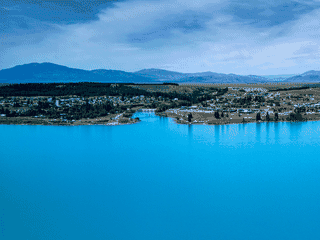

Lake Tekapo
New Zealand44.00°S 170.48°E
Overview
Aoraki / Mount Cook National Park is New Zealand's alpine heartland, home to 22 of the country's 23 peaks over 3,000 metres including Aoraki / Mount Cook (3,724 m) and Mount Tasman (3,498 m). The park covers 707 km² within the Te Wahipounamu UNESCO World Heritage site, offering world-class trekking, mountaineering, glacier experiences, and stargazing under some of the southern hemisphere's clearest skies.
Languages: English, Māori, New Zealand Sign Language
Why go?
Aoraki / Mount Cook National Park is New Zealand's alpine heartland, home to 22 of the country's 23 peaks over 3,000 metres including Aoraki / Mount Cook (3,724 m) and Mount Tasman (3,498 m). The park covers 707 km² within the Te Wahipounamu UNESCO World Heritage site, offering world-class trekking, mountaineering, glacier experiences, and stargazing under some of the southern hemisphere's clearest skies. Unlike many national parks, it remains uncrowded outside peak summer months, with a small village presence and genuine wilderness immersion.
Adapted from Wikivoyage contributors · CC BY-SA 4.0
Getting in
The park is accessed via Mount Cook Village on Highway 80, which branches from Highway 8 at the turn-off from either Twizel (south) or Lake Tekapo (north). There is no public transport to the village itself; visitors typically drive or arrange transfers from nearby towns. Mount Cook Village has a small airport served by light aircraft for scenic flights and heli-transfers. The nearest major towns are Twizel (68 km south) and Lake Tekapo (120 km via Mackenzie Country), offering fuel, supplies, and accommodation.
Adapted from Wikivoyage contributors · CC BY-SA 4.0
Get around
Walking is the primary way to explore the park's formed tracks and recognised walking routes. The popular Hooker Valley/Kea Point Track and others start from the village area with free parking at trailheads. For access to high remote terrain, glaciers, and mountain summits, light aircraft and helicopters operate from Mount Cook Airport and Glentanner Park Centre, reducing hours of walking to minutes. Helicopters can land on glaciers and remote alpine areas unreachable on foot.
Adapted from Wikivoyage contributors · CC BY-SA 4.0
When to go
Summer (December to February) offers the most reliable weather for tramping and high-altitude activities, though this is also peak season with more visitors on popular tracks. Winter (June to August) transforms the park into a skiing destination with ski touring from alpine huts, day skiing on the Tasman Glacier, and heliskiing in the Ben Ohau and Liebig Ranges. Shoulder seasons (November, March-April) can be quieter but weather is less predictable. Rapid weather changes occur even in summer—always carry warm layers and high-energy food for day walks.
Adapted from Wikivoyage contributors · CC BY-SA 4.0
Where to stay
Accommodation options centre on Mount Cook Village, ranging from budget dorms to motel units. YHA Aoraki Mt Cook (Haka House) offers solar-powered hostel beds from $72-413 per night with wood-lined rooms. Mt Cook Lodge and Motels provides dorm beds from $45 with private rooms available. Aoraki Alpine Lodge offers motel-style units with mountain views at 101 Bowen Drive. For budget self-catering and campervan sites, Glentanner Park Centre sits on Lake Pukaki 18 km from the park, with a café open for breakfast and lunch year-round. Backcountry huts scattered through the mountains require tramping to reach and should be booked in advance.
Adapted from Wikivoyage contributors · CC BY-SA 4.0
Food and drink
The Old Mountaineers Cafe, Bar and Restaurant next to the DOC Visitor Information Centre serves food from 11 AM till late, offering mountain-town hospitality with views. The Hermitage (Sir Edmund Hillary Alpine Centre) has dining options for hotel guests and visitors. For self-catering, supplies should be brought from Twizel or Lake Tekapo as the village has limited retail options. Glentanner Park Centre's café is open year-round for breakfast and lunch.
Adapted from Wikivoyage contributors · CC BY-SA 4.0
Things to do
The park's headline activities centre on its glaciers and mountains. The Tasman Glacier is New Zealand's longest, with boat and kayak tours exploring terminal lakes with icebergs on Mueller Lake from $120-133 per person. Guided ascents of Mount Cook and introductory climbing courses are arranged by operators like Alpine Guides and Alpine Recreation. Scenic flights depart from Mount Cook Airport and Glentanner Park—Air Safaris offers the Grand Traverse flight covering all major peaks and glaciers in both Aoraki/Mount Cook and Westland National Parks, with glacier landings possible. The Sir Edmund Hillary Alpine Centre (inside The Hermitage Hotel, $25 adult/$15 child, daily 8:30AM-8PM) features a museum on regional aviation and climbing history plus a planetarium and 3D theatre. Stargazing tours operate under the park's dark skies.
Adapted from Wikivoyage contributors · CC BY-SA 4.0
Safety
This is genuine mountain country requiring preparation and experience. Even in summer, carry warm clothing and high-energy food as weather can change rapidly. Tramping and climbing parties must be self-sufficient—intention plans should be lodged with park rangers and parties prepared to shelter overnight in emergencies. Weather may delay search and rescue, so competence in all aspects of mountaineering is essential. Motorists must stick to paved roads; unsealed tracks (especially Balls Hut Rd) are so dangerous they void vehicle insurance. In winter, chains are mandatory when snow covers roads. Seek local advice before any proposed activities.
Adapted from Wikivoyage contributors · CC BY-SA 4.0
Go next
The park connects south to Twizel and onward to Queenstown via the Mackenzie Country interior. To the north, Lake Tekapo and the scenic routes toward Christchurch are the main connections. Glentanner Park Centre (18 km from the park on Lake Pukaki) serves as a staging point. The West Coast glaciers (Fox and Franz Josef) are a dramatic contrast—reachable by scenic flight over the Southern Alps or via the Lewis Pass or Arthur's Pass routes by road. Mount Cook Village itself marks the terminus of Highway 80.
Adapted from Wikivoyage contributors · CC BY-SA 4.0
Field guide adapted from Wikivoyage contributors · CC BY-SA 4.0. Text has been adapted and organized for this guide. About our sources.
Places to know
A few starting points from the guide. Check current hours and prices before you go.
- sleep
Aoraki Alpine Lodge
Motel with some views of the mountains.
Adapted from Wikivoyage contributors
- sleep
Glentanner Park Centre
Self catering and budget accommodation, backpackers and campervan sites. The cafe/restaurant is open for breakfast and lunch all year round with evening dining in summer. Views of the mountain.
Adapted from Wikivoyage contributors
- sleep
Mt Cook Lodge and Motels
Recorded price: Dorm bed $45, private rooms available
Adapted from Wikivoyage contributors
- sleep
YHA Aoraki Mt Cook, Haka House
YHA associate hostel. Solar powered with wood lined rooms.
Recorded price: $72 - $413
Adapted from Wikivoyage contributors
- eat
Old Mountaineers Cafe, Bar and Restaurant
Adapted from Wikivoyage contributors
- see
Sir Edmund Hillary Alpine Centre
A small museum in The Hermitage Hotel focusing on the region's aviation history in addition to the climbing history of Aoraki / Mt Cook – it also features a planetarium and 3D movie theatre.
Recorded price: Adult: $25; child: $15
Adapted from Wikivoyage contributors
- see
Tasman Lake and Glacier
New Zealand's longest glacier with a length of km
Adapted from Wikivoyage contributors
- do
Glacier Sea Kayaking
Kayaking on Mueller Lake with views to Aoraki / Mt Cook and the Mueller Glacier.
Recorded price: $120-$133 pp
Adapted from Wikivoyage contributors
Before you go
Accommodation
Mount Cook Village has hostel dorms from $45-72 and motel units; book ahead in summer. Glentanner Park Centre offers budget self-catering 18 km from the park.
Connectivity
Limited mobile coverage in the park. Most accommodation and the visitor centre have WiFi, though speeds may be slow in remote mountain settings.
Fees
No entry fee to Aoraki / Mount Cook National Park. Parking at Hooker Valley/Kea Point Track and Mount Cook Village is free.
Safety
Mountain country demands experience and self-sufficiency. Leave intentions with rangers. Winter driving requires chains. Some remote roads void vehicle insurance.
Supplies
Bring food and supplies from Twizel or Lake Tekapo; the village has very limited retail options. Self-catering accommodation benefits from pre-stocked groceries.
Transport
No public transport to Mount Cook Village; self-drive or arrange transfers from Twizel (68 km) or Lake Tekapo (120 km). Scenic flights and heli-transfers available from Mount Cook Airport.
Weather
Mountain weather changes rapidly even in summer. Always carry warm layers, rain gear, and high-energy snacks on day walks. Check conditions with DOC before heading out.