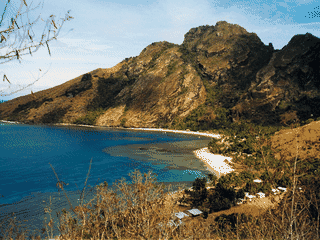

Yasawa Islands
Oceania · Fiji
See also
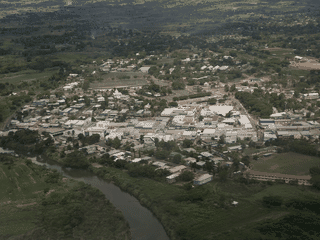

Nadi
Fiji17.80°S 177.42°E · 10 m
Overview
The Yasawa Islands offer an authentic Fiji experience far from the crowds of more commercial destinations. These volcanic islands feature dramatic hills, pristine beaches, and coral reefs that are slowly recovering from past damage.
Languages: English, Fijian, Fiji Hindi
Why go?
The Yasawa Islands offer an authentic Fiji experience far from the crowds of more commercial destinations. These volcanic islands feature dramatic hills, pristine beaches, and coral reefs that are slowly recovering from past damage. With approximately 30 resorts spread across 12 major islands, backpackers can island-hop using the convenient Yasawa Flyer ferry or score deals on local water taxis. The islands provide excellent snorkeling, diving, hiking to viewpoints, kava ceremonies, and opportunities to visit traditional villages with welcoming harmonic singing.
Adapted from Wikivoyage contributors · CC BY-SA 4.0
Getting in
South Sea Cruises (Awesome Adventures Fiji) operates the Yasawa Flyer ferry from Nadi (Port Denarau) departing at 8:45AM daily. The route stops at all major Yasawa island resorts, reaching the Blue Lagoon around 1PM before returning to Port Denarau by 5:45PM. Book at their airport office, downtown Nadi, or Port Denarau base. Alternatively, Tavewa Seabus runs from Lautoka at 7:30AM daily to the northern Yasawa Islands, taking approximately 3 hours. Compare and book both services online through Fiji-bookings.
Adapted from Wikivoyage contributors · CC BY-SA 4.0
Getting around
The Yasawa Flyer picks up passengers on its daily run to transport between islands. Bula Pass holders (5, 7, 10, 12, 15, or 21-day passes from Awesome Adventures) have ferry transfers included; otherwise each inter-island ferry ride costs FJD 45-70. Local water taxis offer cheaper alternatives for shorter trips at FJD 5-15, though they are slower and have been known to run out of fuel. Some resorts offer free pick-ups from other resorts. Like all Fiji prices, transfer costs are often negotiable, especially for group bookings.
Adapted from Wikivoyage contributors · CC BY-SA 4.0
See
The Yasawa Islands are beautiful and unspoiled with volcanic peaks rising from the sea. The best natural activities include hiking—the islands have high hills with sweeping views of surrounding archipelago—and snorkeling or diving at the reef systems surrounding each island. Note that up until about five years ago, many areas dynamited coral for aquarium sales, so large patches of dead coral remain, though marine sanctuaries and coral farms are bringing reef life back. Some areas now have diverse fish up to 1 meter in length, plus occasional sharks and turtles.
Adapted from Wikivoyage contributors · CC BY-SA 4.0
Do
Snorkeling and diving are excellent, with some islands offering spectacular reef right off the beach and diving rates that are relatively cheap. Manta Ray Island Resort organizes special snorkeling trips to see manta rays passing through a shallow passage between islands—you must be ready to jump in within 5 minutes of the "manta ray alarm." Hiking opportunities include climbing Wayalailai for sunrise views or hiking across the spit to Waya. Nearly all islands have palm frond basket and bracelet weaving lessons, regular kava ceremonies where refusing would be rude on smaller islands, and Sunday church services featuring stunning harmonic singing. Day trips include cave diving through a 30cm-deep, 1.5m-long tunnel to underground caverns, Blue Lagoon visits, village and school tours, and fishing or snorkeling excursions.
Adapted from Wikivoyage contributors · CC BY-SA 4.0
Buy
Souvenirs are available on some islands but are generally cheaper on the mainland (Nadi streets and markets). The key souvenir to consider is a local sulu (wraparound skirt) from your resort. Otherwise, most spending goes toward drinks—water at FJD 4-5 for 1.5L bottles, Fiji Bitter or Fiji Gold beer at FJD 5-6 per can, and cocktails at FJD 10-18 depending on the resort. Budget travelers should buy alcohol and snacks on the mainland before arriving.
Adapted from Wikivoyage contributors · CC BY-SA 4.0
Eat
Resort dining comes in three quality tiers: sparse plates that run out, generous high-carb servings, or broad balanced buffets. If you enjoy fish, inform the chef upon arrival—locals often assume visitors prefer chicken. Beef is expensive and rarely served. Vegetarianism is poorly understood; strict vegetarians or those with allergies must explain dietary needs in detail to the chef immediately upon arrival, specifying what foods are acceptable (e.g., raw vegetables or fruit). Most resort meals satisfy hungry travelers, though health-conscious eaters may miss non-starchy vegetables.
Adapted from Wikivoyage contributors · CC BY-SA 4.0
Drink
Most resorts provide drinking water free at meals, but sell water at FJD 4-5 for 1.5L bottles at other times. Water supplies typically come from rain collection, springs, or are imported from the mainland. Beer (Fiji Bitter or Fiji Gold) costs FJD 5-6 per can and is in plentiful supply. Most resorts also offer cocktails (FJD 10-18), wine, and other alcoholic options. Budget travelers should purchase alcohol supplies on the mainland to save money.
Adapted from Wikivoyage contributors · CC BY-SA 4.0
Where to stay
Budget resorts feature dormitory or bure (thatched hut) accommodation with meals typically included in the price or as a compulsory addition. Accommodation quality varies dramatically from sparse open-air rooms to comfortable Western-style private rooms with toilets, hot showers, and secure doors (Nalova Bay). Mosquito nets are essential if bures are not airtight; top sheets also help. Most beds are clean but vary from very soft to firm. Cold showers are standard, and salt water or mixed salt/fresh water showers are not uncommon. Drinking water is often limited outside meals—some resorts provide unlimited water while others charge for bottled water (typically FJD 4-5 per 1.5L). Noise from resort bars with dancing, singing, or international nights may affect light sleepers.
Adapted from Wikivoyage contributors · CC BY-SA 4.0
Safety
Local boats are slower than the Yasawa Flyer and have been known to run out of fuel without carrying oars—avoid them if unexpected delays would ruin your holiday. The islands operate on "Fiji time," meaning relaxed, reactive responses to problems, which may frustrate travelers expecting punctuality. Mosquitoes can be problematic; bring or request nets. Reef life is recovering from past damage, so some snorkeling areas have limited marine life.
Adapted from Wikivoyage contributors · CC BY-SA 4.0
Budget
Backpackers should budget for inter-island transport (FJD 45-70 per ferry leg or invest in a 5-21 day Bula Pass), accommodation in dorms or bures (typically FJD 80-200 per night including meals), drinks (FJD 5-18 per item), and activities (diving courses, manta ray trips, guided hikes). A "Bula Combo Pass" bundles accommodation and activities without requiring credit cards. Book through Awesome Adventures Fiji for packages of 3-12 days including accommodation, transfers, meals, and activities. Several homestays are available on Airbnb under Superhost status.
Adapted from Wikivoyage contributors · CC BY-SA 4.0
Go next
The Mamanuca Islands lie just off the coast from Denarau, offering crystal-clear waters, palm-fringed sandy beaches, and abundant coral reefs. South Sea Cruises operates day cruises to these islands. The popular Seaspray Sailing Adventure sails the Mamanucas on an 83-foot (25m) schooner as an all-inclusive day trip. The main Fiji islands of Viti Levu (home to Nadi and Suva) and Vanua Levu offer additional experiences for travelers continuing their Fiji journey.
Adapted from Wikivoyage contributors · CC BY-SA 4.0
Field guide adapted from Wikivoyage contributors · CC BY-SA 4.0. Text has been adapted and organized for this guide. About our sources.
Places to know
A few starting points from the guide. Check current hours and prices before you go.
- sleep
Adi's Place
Adapted from Wikivoyage contributors
- sleep
Barefoot Island Lodge
Adapted from Wikivoyage contributors
- sleep
Bayside Resort
Adapted from Wikivoyage contributors
- sleep
Botaira Beach Resort
Adapted from Wikivoyage contributors
- sleep
Coconut Bay Resort
Adapted from Wikivoyage contributors
- sleep
Coral View Resort
Adapted from Wikivoyage contributors
- sleep
David's Place
Adapted from Wikivoyage contributors
- sleep
Kingfisher Lodge
Adapted from Wikivoyage contributors
Before you go
Connectivity
Limited to no mobile coverage on islands. Purchase a Fiji SIM card in Nadi before departing for emergency use.
Culture
Kava ceremonies are common—accepting the bowl is polite. Sunday church services welcome visitors with beautiful harmonic singing.
Food
Meals included with most accommodation. Inform chefs of dietary restrictions immediately upon arrival. Beef is expensive and rarely served; fish is abundant.
Health
Bring mosquito nets or request them from resorts. Cold and salt water showers are common. Bottled water available for purchase at FJD 4-5.
Money
Credit cards are rarely accepted at island resorts; bring cash (Fijian dollars). The Bula Combo Pass helps budget without cards. ATMs available in Nadi and Lautoka before departing.
Packing
Bring mosquito repellent, light long-sleeve clothing for sun protection, cash in Fijian dollars, and any special dietary foods if strictly vegetarian.
Transport
Yasawa Flyer departs Nadi Port Denarau at 8:45AM daily, returning 5:45PM. Tavewa Seabus runs from Lautoka at 7:30AM. Bula Pass (5-21 days) covers ferry transfers.
Water
Drinking water provided free at resort meals. Outside meals, expect to purchase bottled water at FJD 4-5 per 1.5L.