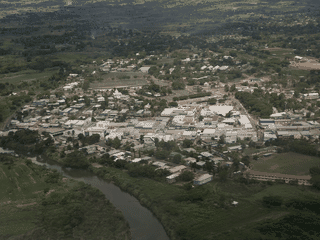

Nadi
Oceania · Fiji
See also
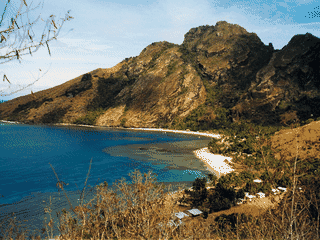

Yasawa Islands
Fiji17.06°S 177.33°E · 600 m
Overview
Nadi is Fiji's primary international gateway, handling nearly all of the country's air traffic. Most visitors pass through, but the town warrants a couple of nights: the bright Sri Siva Subramaniya Temple, the Garden of the Sleeping Giant's orchid terraces, and the Sabeto Hot Springs and Mud Pool are all within easy reach.
Languages: English, Fijian, Fiji Hindi
Why Go?
Nadi is Fiji's primary international gateway, handling nearly all of the country's air traffic. Most visitors pass through, but the town warrants a couple of nights: the bright Sri Siva Subramaniya Temple, the Garden of the Sleeping Giant's orchid terraces, and the Sabeto Hot Springs and Mud Pool are all within easy reach. As a transit hub, it's also the departure point for ferries to the Yasawa and Mamanuca islands.
Adapted from Wikivoyage contributors · CC BY-SA 4.0
Understand
Nadi's main artery is Queens Road, lined with shops where touts may approach you, though they are not threatening. Nadi Back Road serves as an alternate route during traffic or road work. The town has a noticeable Indo-Fijian and native Fijian population, with occasional underlying ethnic tension that rarely surfaces for visitors.
Adapted from Wikivoyage contributors · CC BY-SA 4.0
Getting In
Nadi International Airport (IATA: NAN) is the main international gateway to Fiji, served by Fiji Airways, Air New Zealand, Virgin Australia, Air Niugini, Jetstar Airways, Korean Air, Aircalin, Nauru Airlines, Air Kiribati, and Solomon Airlines. Domestic flights use the southern part of the same terminal. Several hotels offer complimentary airport shuttles. Air-conditioned buses depart the airport for Suva twice daily (7:30 AM and 4 PM).
Adapted from Wikivoyage contributors · CC BY-SA 4.0
Getting Around
Local buses run reliably throughout Nadi and beyond—simply flag one down from anywhere along the route, ring the bell to request a stop. Fares are a fraction of rental car costs. Taxis are convenient; always haggle with the driver beforehand or ask your hotel for typical fare estimates. Hire cars are available at the airport and in town from international brands (Hertz, Thrifty, Avis, Europcar, Budget) as well as local operators; drivers must be over 21 or 25 depending on the rental company and hold a valid licence.
Adapted from Wikivoyage contributors · CC BY-SA 4.0
When to Go
Nadi sits on the drier western side of Viti Levu compared to Suva, though the climate remains warm and humid year-round. The wet season runs from November to April. Walking around unshaded areas during midday can cause profuse sweating—stay hydrated and seek shade regularly.
Adapted from Wikivoyage contributors · CC BY-SA 4.0
Where to Stay
Accommodation in Nadi town itself runs budget to mid-range. The Wailoaloa Beach area (north of town) offers beachfront hostels and hotels, while Martintar precinct has many restaurants, bars, and mid-range options. The truly lavish resorts are concentrated west on Denarau Island. Hostels like Bamboo Backpackers (dorms from $17 FJD) and Smuggler's Cove offer social atmospheres with airport shuttles and fire-dance nights.
Adapted from Wikivoyage contributors · CC BY-SA 4.0
Food and Drink
For authentic Fijian cuisine, Tu's Place on Queens Road in Martintar is acclaimed—try their signature Kokoda (Fijian ceviche). Mumbai Dhaba on Sukuna Road serves excellent-value Indian food with massive portions. The Nadi Produce Markets on Hospital Rd (M–Sa 7 AM–6 AM) offer cheap seasonal fruit and vegetables. The drinking and clubbing scene concentrates in the Martintar precinct, with Ed's Bar (daily 5 PM–late, happy hour 5–10 PM) drawing locals and tourists, and the Ice Bar (daily 2 PM–5 AM) opening as a nightclub after 10 PM.
Adapted from Wikivoyage contributors · CC BY-SA 4.0
Things to Do
The Sri Siva Subramaniya Temple (Queens Rd, daily 6 AM–7 PM, free) is the largest Hindu temple in the Southern Hemisphere—cover knees and shoulders or accept a provided dhoti/sarong. The Garden of the Sleeping Giant (Wailoko Rd, $18 adults, M–Sa 9 AM–5 PM, Su 9 AM–noon) was founded by actor Raymond Burr as an orchid nursery; enjoy walking paths and a complimentary fruit drink. The Sabeto Hot Springs and Mud Pool (Wailoko Rd, daily 8 AM–6 PM) offers mud baths followed by progressively cleaner mineral pools, with massages available. Thrill-seekers can Skydive Fiji (11 Zahoor Rd, Martintar, daily 8:30 AM–5 PM) for tandem jumps over Nadi and the outer islands.
Adapted from Wikivoyage contributors · CC BY-SA 4.0
Stay Safe
Crime in Nadi is declining and mostly petty; a police station sits on Queens Road. Beware of occasional scams and pickpocketing. The warm, humid climate means take water and shade breaks when walking during the day. Watch for potholes on smaller roads around the outskirts.
Adapted from Wikivoyage contributors · CC BY-SA 4.0
Go Next
Local buses to Lautoka cost $2 FJD and terminate at the local markets. The Coral Coast begins at Sigatoka to the south. Ferries depart daily from Port Denarau (west of Nadi, 9 AM–4 PM) to the Mamanuca and Yasawa islands. The sparsely populated Nausori Highlands to the east offer traditional village experiences with panoramic views. Air-conditioned buses connect Nadi Airport to Suva twice daily.
Adapted from Wikivoyage contributors · CC BY-SA 4.0
Field guide adapted from Wikivoyage contributors · CC BY-SA 4.0. Text has been adapted and organized for this guide. About our sources.
Places to know
A few starting points from the guide. Check current hours and prices before you go.
- sleep
Aquarius On The Beach
All rooms at have their own ensuite bathroom and top quality facilities. The pricier rooms have ocean views.
Adapted from Wikivoyage contributors
- sleep
Bamboo Backpackers
Daily acoustic music nights and kava parties. Free Wi-Fi and airport pickup. There are a large number of amenities including a board games room and pool table. The restaurant serves cheap Fijian food.
Recorded price: From $17 per dorm bed
Adapted from Wikivoyage contributors
- sleep
Capricorn Hotel
This hotel has 67 air-conditioned rooms. Complimentary breakfast and airport shuttle. Has a pool, gardens, private car park, a poolside cocktail bar, spa and restaurant.
Adapted from Wikivoyage contributors
- sleep
Club Fiji Resort
A remote boutique resort by the Nadi Bay beach. The accommodation styles at the resort vary and range from bures to villas. There are two restaurants, two bars and an outdoor pool.
Recorded price: Cheapest rooms from $130
Adapted from Wikivoyage contributors
- sleep
Mercure Hotel Nadi
A 3-star transit hotel featuring 85 rooms that command a view of the tropical setting gardens and swimming pool. There is alfresco dining in the restaurant, a Senikai spa and relaxing Rokete bar. The prices are modest but you get what you pay for.
Adapted from Wikivoyage contributors
- sleep
Nadi Bay Resort Hotel
The Nadi Bay Resort is a few minutes by road from the airport and seaplane base, and offers a variety of accommodation including dorms, standard rooms and apartments. Amenities come in two here. There are two restaurants, two bars and two swimming pools.
Adapted from Wikivoyage contributors
- sleep
Novotel Nadi
Every room in the hotel overlooks the tropical landscape. The hotel is equipped with meeting rooms making it suitable for business travellers. In addition to having a bar and restaurant, this Novotel offers a fitness centre, golf course, spa and outdoor pool.
Adapted from Wikivoyage contributors
- sleep
Smuggler's Cove
A basic hostel which is located on the Wailoaloa beach. Offers a shuttle from the airport $18.00 FJD per person, one way. Fire dances are shown on Sunday nights, amongst other activities. This is a well-known area, many tour operators and transfer shuttle services will know how to drop off and pick up here.
Adapted from Wikivoyage contributors
Before you go
Connectivity
Mobile coverage available via Fijian carriers; WiFi common at hostels and hotels. Power plugs use Type I (Australian-style, 240V).
Health
Warm, humid climate—stay hydrated and take shade breaks. Tap water generally safe but bottled water widely available.
Money
Currency is the Fijian dollar (FJD). Credit cards accepted at hotels and larger stores; cash preferred at local markets and for taxi haggling.
Safety
Petty crime present but declining. Police station on Queens Road. Watch for potholes on outskirts.
Transport
Local buses are cheap and run throughout town and beyond. Taxis require haggling—ask your hotel for typical fares first.