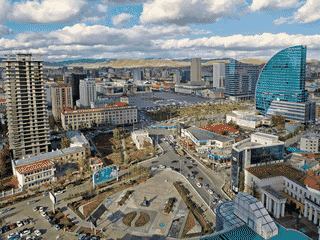

Ulaanbaatar
East Asia · Mongolia
Did you know?
- Narantuul Market is the place to keep valuables especially close.
- The Trans-Mongolian Railway runs north to Irkutsk and south to Beijing.
- Gorkhi-Terelj’s forested mountain valleys are about three hours away by bus.
See also
Overview
Ulaanbaatar is Mongolia’s cultural, economic, and transportation hub, home to roughly half of the country’s 1.6 million residents. Central guesthouses and landmark-based navigation make it a practical starting point for a wider Mongolia itinerary.
Languages: Mongolian
Why Go?
Ulaanbaatar is Mongolia's cultural, economic, and transportation hub, home to roughly half of the country's 1.6 million residents. The city uniquely layers six historical periods—from the 1639 nomadic monastic center of Urga through Soviet-era architecture to glittering modern skyscrapers—all visible within a short walk. It's the essential staging point for trips to Gorkhi-Terelj National Park, Karakorum, and the Gobi Desert, offering museums, monasteries, and the famous Naadam Festival without the need to immediately head into the countryside.
Adapted from Wikivoyage contributors · CC BY-SA 4.0
Getting In
Chinggis Khaan International Airport (IATA: UBN), opened in 2021 and located 52 km south of the city, handles all domestic and international flights. The city sits on the Trans-Mongolian Railway connecting Beijing to Irkutsk, with trains arriving at the main railway station. Buses arrive at several terminals: the New Ulaanbaatar Dragon Terminal for western destinations, Tenger Plaza Terminal (Bayanzurkh Bus Station) for eastern routes including buses to the China border at Zamyn-Üüd (departing 07:00 and 21:00, arriving about 10 hours later), and the Botanical Gardens area for eastern Mongolia.
Adapted from Wikivoyage contributors · CC BY-SA 4.0
Getting Around
Street names are rarely known by locals; instead, navigate using major landmarks and descriptions. Key streets include Peace Avenue (main west-to-east road along the south side of Sükhbaatar Square), Chinggis Avenue (north-to-south on the east side of the square, heading toward the airport), and Seoul Street (west from Chinggis Avenue south of the square). Taxis like Help Taxi (1000₮/km, minimum 4000₮, airport to center 30,000₮) and iTaxi (1000₮/km, airport to center 20,000₮) offer English-speaking dispatch. Many buses also serve the city.
Adapted from Wikivoyage contributors · CC BY-SA 4.0
When To Go
Ulaanbaatar experiences extreme continental climate: summer daytime temperatures average 24°C (with some days above 31°C), while winters are harsh and dry, ranging from -15° to -30°C at night in January-February, occasionally dropping to -50°C. The city holds the dubious distinction of being the world's coldest capital with an average annual temperature of just 0.2°C. Summer (June-August) offers the best weather but coincides with the Naadam Festival (July 11-13)—book accommodation months in advance. Winter visitors should be prepared for severe air pollution from ger district coal burning (19:00-10:00 daily), particularly in northern areas near ger districts, though Zaisan in the south remains relatively clear.
Adapted from Wikivoyage contributors · CC BY-SA 4.0
Where To Stay
Budget travelers will find numerous guesthouses clustered near Sükhbaatar Square and Gandan Monastery. Options include Bolod's Guesthouse (US$7/night, centrally located opposite the square), Chinggis Guest House (dorm US$8, double/twin US$10 with breakfast), Golden Gobi (dorms US$6, private from US$19), and Gana's Guesthouse offering authentic ger accommodation from US$5. For mid-range, the Mandukhai Hotel offers rooms at 20,000-25,000₮/night in the city center. During Naadam (July 11-13), virtually all accommodation sells out—reservations are essential. The Blue Sky Hotel and Tower (from US$200) and Shangri-La Hotel (from US$440/night) serve the luxury market.
Adapted from Wikivoyage contributors · CC BY-SA 4.0
Food And Drink
Ulaanbaatar offers diverse dining at reasonable prices: pizza from 5000₮, fine French café meals up to 30,000₮, and international chains including KFC, Round Table Pizza, and Cinnabon. For authentic Mongolian cuisine, try Hishig Mongol Zoog on Peace Avenue (US$6-10) serving roasted sheep head, buuz, and dried meat soup. Modern Nomads near Sükhbaatar Square provides excellent local and tourist-friendly options. Vegan travelers can head to Luna Blanca near the National Museum (around 4000₮). International options include Indian restaurants like Namaste (20,000₮), Mexican at Los Bandidos (US$7-10), and Turkish at Hurrem Sultan. Drinking spots range from Ikh Mongol brewpub (3500₮ for half-liter) to Grand Khaan Irish Pub (4000₮ for beer).
Adapted from Wikivoyage contributors · CC BY-SA 4.0
Things To Do
The city brims with museums: the National Museum of Mongolia (5000₮) holds the country's most important historical artifacts, the Chinggis Khaan National Museum (adults 30,000₮) showcases Mongol Empire history, and the Natural History Museum (2000₮) displays the Tarbosaurus bataar fossil. Gandantegchinlen Monastery (4000₮) offers morning services at 10:00, while the Choijin Lama Monastery (8000₮) showcases Buddhist art and rare artifacts. Sükhbaatar Square features equestrian statues of Damdin Sükhbaatar and Genghis Khan. The Zaisan Memorial provides panoramic city views. Outdoor activities include Bogd Khan Mountain hiking (take bus #7, #33, or #43 to the south end) and winter sports at Sky Resort (under US$20). Traditional performances include Tumen Ekh folk show (30,000₮, May-October 18:00).
Adapted from Wikivoyage contributors · CC BY-SA 4.0
Safety
Ulaanbaatar is generally safe for tourists, though standard urban precautions apply. Pickpocketing is common at Narantuul Market—carry minimum cash and leave valuables at accommodation. During winter, severe air pollution in ger districts affects those with respiratory conditions; the southern areas near Zaisan remain relatively clear. The city's ger districts on the outskirts lack basic amenities like running water and sewage, and residents may be unwelcoming to random visitors. Traffic can be chaotic with frequent jams. Most tourist sites charge separate camera/video fees (typically 5000-10,000₮).
Adapted from Wikivoyage contributors · CC BY-SA 4.0
Connectivity
Mobile phone operators offer prepaid GSM SIM cards and handset rentals (Mobicom provides rentals), with extensive roaming options. Prepaid cards like BodiCom enable relatively inexpensive international calls. Wi-Fi is widely available at restaurants and coffeehouses throughout the city. The Central Post Office on Peace Avenue sells stamps and postcards (though delivery may take up to two months). Power outlets typically follow European (Type C/F) standards. Most tourist sites have separate camera/video fees of 5000-10,000₮.
Adapted from Wikivoyage contributors · CC BY-SA 4.0
Budget
Ulaanbaatar is relatively affordable for a capital city. Hostel dorm beds range from US$4-8 (or ger accommodation from €5-10), while budget hotels cost 20,000-25,000₮/night. Meals range from 4000-8000₮ for budget restaurants and pizza to 10,000-30,000₮ for mid-range dining. Museum admissions typically cost 2000-8000₮ (with photography fees up to 50,000₮). Taxis run 1000₮/km. Budget approximately 400-800₮ daily for budget travel, 1000-1500₮ for moderate comfort, excluding major tours. Currency exchange at Golomt and TDB banks carries approximately 3% foreign transaction fees.
Adapted from Wikivoyage contributors · CC BY-SA 4.0
Day Trips
Gorkhi-Terelj National Park offers scenic forested mountain valleys just three hours by bus from Ulaanbaatar—ideal for overnight or multi-day trekking. Bogd Khan National Park south of town features hiking trails and the ruins of a large Buddhist monastery destroyed in 1937. Bogd Khan Mountain itself provides a two-to-three-hour hike accessible by bus #7, #33, or #43 to the south end of the line. Sky Resort, 13 km from the city center, offers downhill skiing and snowboarding (under US$20) with a free shuttle bus from the Drama Center.
Adapted from Wikivoyage contributors · CC BY-SA 4.0
Etiquette
Mongolian culture values respect for elders and Buddhist traditions. When visiting monasteries, dress modestly covering shoulders and knees, and remove hats indoors. Photography inside temples may be restricted or require fees. Tipping is not customary but appreciated in tourist-oriented establishments. Bargaining is expected at markets like Narantuul. Handshakes are common greetings. During Naadam and other festivals, formal traditional clothing (deel) may be worn—visitors dressing respectfully will be appreciated.
Adapted from Wikivoyage contributors · CC BY-SA 4.0
Go Next
Ulaanbaatar serves as the gateway to all Mongolian destinations. The Trans-Mongolian Railway connects north to Irkutsk and south to Beijing, passing through Darkhan and Sainshand. Gorkhi-Terelj National Park is a three-hour bus ride away for scenic mountain landscapes. Karakorum, the ancient Mongol Empire capital, lies a day's bus ride to the west in the beautiful Orkhon River valley. The Gobi Desert offers nomadic camel herders and dinosaur fossils. Western Mongolia features Kazakh eagle hunters in the Altai Mountains. Buses to the China border at Zamyn-Üüd depart at 07:00 and 21:00 (approximately 10 hours).
Adapted from Wikivoyage contributors · CC BY-SA 4.0
Field guide adapted from Wikivoyage contributors · CC BY-SA 4.0. Text has been adapted and organized for this guide. About our sources.
Places to know
A few starting points from the guide. Check current hours and prices before you go.
- eat
Agnista Vegan Food
Similar to the other Agnista but with less of a crowd during lunchtime.
Adapted from Wikivoyage contributors
- buy
3rd & 4th Microdistrict
You'll find several malls, name-brand stores, restaurants, supermarkets, curbside booths, and a movie theater at UB's largest shopping district. Selection ranges from luxury brands down to cheap Chinese imports. Traffic congestion is heavy in this part of the city.
Adapted from Wikivoyage contributors
- do
ASA Arena
Home to the world-famous Mongolian contortionists, where most of the world's professional contortionists get their start. The circus also features animals, jugglers, and other entertainment.
Adapted from Wikivoyage contributors
- drink
Ambrosia Restaurant
A nice little restaurant that turns into a club at night, with good drink specials. Popular with foreigners.
Recorded price: 3000₮ for a beer
Adapted from Wikivoyage contributors
- do
Bogd Khan Mountain
The mountain ridge south of town, is a great place for a hike. To get there, take the #7, #33 or #43 bus from in front of the Bayangol Hotel to the south end of the line. From there, the road continues south about 100 m, whereupon you'll come to a checkpoint. Proceed, bear left when the road forks, and you'll soon find yourself in a ger camp with a small stream flowing north. This is where the hiking path itself begins, on the left (east) side of the stream. At the top of the ridge, veer west and proceed through the woods for an easy amble of about two or three hours (you'll come to a high point about 500 m past the turn). At the end of that stretch, you have the option of either branching off to the west or else continuing straight and slightly east to Bogd Uul Mountain (this path is marked with orange paint marks on the trees). That part of the trip is quite long — about 10 km one-way — and more challenging, with varying elevations.
Adapted from Wikivoyage contributors
- buy
Books in English Bookshop
Used books are bought and sold here. There's even a buyback policy. Selection is mostly but not exclusively English-language.
Adapted from Wikivoyage contributors
- drink
Brauhaus
Goes for a German brewhouse look (hence the name) and succeeds. This bar is big but usually not noisy. It serves X Beer, a quite tasty local brew.
Recorded price: Half-liters run around 2500₮
Adapted from Wikivoyage contributors
- drink
Cafe de Lolita
The first and only maid and anime café in Mongolia.
Adapted from Wikivoyage contributors
Before you go
Connectivity
Prepaid GSM SIM cards available throughout the city. Wi-Fi is common at cafes and restaurants. Power uses European Type C/F plugs.
Culture
Ulaanbaatar has six distinct historical layers visible within walking distance: nomadic monastic center, Qing dynasty, socialist period, and modern megacity.
Health
Air pollution affects those with respiratory issues, particularly during winter. Winter cold can cause frostbite quickly. City medical facilities are the best in Mongolia.
Money
Cash is common but bank transfers, QR payments, and cards are increasingly accepted. ATMs accept foreign cards (about 3% fee); Visa works widely, MasterCard less so. Golomt and TDB banks are most reliable for currency exchange.
Safety
General urban safety applies. Winter air pollution is severe in northern areas near ger districts (19:00-10:00). Pickpocketing reported at Narantuul Market.
Transport
Taxis cost 1000₮/km; airport transfers run 20,000-30,000₮. Street addresses are unreliable—navigate using landmarks.
Visa
Mongolia visa requirements vary by nationality. Check with the Chinese embassy in Ulaanbaatar if transiting to China. Some nationalities can obtain Chinese visas there.
Weather
Summers are mild (avg 24°C) but winters are extreme (-15° to -30°C, occasionally -50°C). The city is the world's coldest capital with five months of sub-zero temperatures.