Overview
A rarely visited Mediterranean capital layers Ottoman medinas, Italian-era architecture, Roman remains, and museums around a walkable old city. It is culturally rich but requires careful itinerary and security planning.
History · Architecture · Museums · Culture · Day Trips
Did you know?
- A museum display includes Gaddafi's 1960s Volkswagen Beetle.
- The medina preserves a Roman street grid and three named gates.
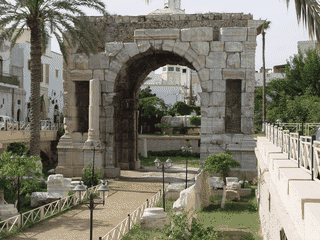
- The Arch of Marcus Aurelius is the only surviving Roman monument within the city.
Why go?
Tripoli offers a rare opportunity to explore a Mediterranean capital where Ottoman-era medinas, Italian colonial architecture, and Roman ruins coexist within a single city. The Red Castle Museum (Assaraya Alhamra) houses treasures from World Heritage sites at Leptis Magna and Sabratha, while the old city walls and triple-gated medina reflect Roman urban planning still visible today. Unlike many North African destinations, Tripoli sees few tourists, making visits to sites like the Karamanli Mosque or the Arch of Marcus Aurelius feel genuinely immersive. The city serves as a gateway for day trips to major Roman ruins, though ongoing political instability requires careful planning.
Getting in
Visas are required for entry to Libya, obtainable through embassies or consulates for roughly US$50-150. Business visitors or those with local connections may arrange a visa on arrival for approximately 100 Libyan dinar, though the process is slow and payment must be made in local currency. Travelers without dinar must exchange money after baggage claim (keeping passport) before re-entering the immigration area. Your hotel is legally required to present your passport to authorities for visa stamping—confirm this before checkout to avoid fines or exit complications. Mitiga International Airport serves most international flights, while Tripoli International Airport in Ben Ghashir has a single terminal handling both domestic and international routes.
Getting around
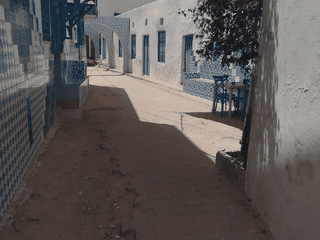
Walking is the best way to explore Tripoli, particularly the old city medina with its planned Roman street grid and surviving gates: Bab Zanata (west), Bab Hawara (southeast), and Bab Al-Bahr (north). The city is walkable for westerners despite being noticeable to locals—take precautions and avoid walking alone at night. Taxis are available but can be pricey for foreign visitors. Martyrs' Square (formerly Green Square) serves as a central reference point with views of the old city walls and shopping streets radiating outward. The Corniche waterfront offers promenade walks with views of the Mediterranean port.
When to go
Tripoli experiences a typical Mediterranean climate: hot, dry summers with temperatures reaching 30-33°C (July-September) and cool, wet winters with lows of 8-9°C (December-February). Rainfall peaks in December (67.5mm) and November (58.2mm), making these months less ideal for sightseeing. Summer heat can be intense but coastal breezes provide relief. The best window for comfortable exploration is April-May or October-November, balancing reasonable temperatures with lower precipitation. Always verify current security conditions before travel, as the post-2011 situation remains fluid.
Where to stay
Tripoli's luxury hotel sector centers on the Corniche waterfront and downtown district. The Corinthia Bab Africa is the premier address, a meeting point for foreigners and Tripoli's elite with multiple quality restaurants, gym, indoor pool, and sauna. The Radisson Blu Al Mahary Hotel on Al Fatah Street offers excellent rooms, restaurants, and spa facilities from approximately €235 per night. The Al Waddan Hotel provides a boutique feel with good service and a private outdoor pool. Budget travelers can consider the renovated Thobacts Hotel, significantly cheaper than the five-star options with friendly English-speaking staff—though internet and wifi remain erratic, which frustrates business travelers more than leisure tourists.
Food and drink
Food quality in Tripoli is good and generally inexpensive by Western standards, though variety is limited with Arabic cuisine dominating. The harbour and beach water quality raises concerns about seafood safety—inspect cleanliness before considering fish dishes. Budget travelers can find takeaway meals for around US$5, while dinner at a good restaurant runs US$15-20, with fancier establishments reaching US$40. Cafes and bistros cluster along the Gergaresh strip toward Seyaheya, with popular venues including O2, W Cafe, Veranda, Caracalla, Cacao, Halaweyat Sharkiya, and Caffe Casa—most serve both Western and Middle Eastern dishes and attract Tripoli's expatriate community. An Oriental restaurant exists within the Corinthea Hotel, with another in Gargash; Arabic language skills help since waiting staff speak limited English. Alcohol is completely forbidden in Libya—available only through risky black market channels with hefty fines if caught.
Things to do
The Red Castle Museum (Assaraya Alhamra) dominates the medina outskirts, a vast palace complex with classical statues and Ottoman fountains spanning 5,000 years of Libyan history—including treasures from Leptis Magna and Sabratha, and quirky displays like Gaddafi's 1960s Volkswagen Beetle. The Museum of Libyan Culture occupies the former Royal Palace. Karamanly House Museum in the Old City preserves the Karamanli dynasty period (1711-1835). The Arch of Marcus Aurelius remains the only surviving Roman monument within the city. Historic mosques include the 1834 Gurgi Mosque and the Karamanli Mosque. The Darghouth Turkish Bath (hammam), established in 1670 AD, offers traditional bathing experiences. The old city walls remain climbable for panoramic views. Prior to the 2011 conflicts, Tripoli had beach access within driving distance worth revisiting once stability returns.
Safety
Libya remains in a state of domestic turmoil following the 2011 revolution. While the situation has stabilized, risks persist from demonstrations and remnants of armed militias. Always verify your proposed itinerary with knowledgeable locals before exploring. Women should dress modestly—long sleeves, long skirts or pants—when shopping or sightseeing, though head scarves are not required as Libya is not as conservative as some Muslim countries. Avoid walking alone at night, particularly as a Westerner who will stand out. Martyrs' Square hosts regular demonstrations (often against the Syrian regime) and gatherings of motorcycle enthusiasts. Check with your embassy regarding current operations—Canada operates remotely from Tunis, the United States Embassy is closed, while Greece, Japan, Philippines, and other embassies maintain varying operational status.
Day trips
Roman ruins at Leptis Magna lie to the east of Tripoli—the birthplace of Emperor Septimius Severus, featuring one of the best-preserved Roman cities in North Africa with a forum, market, basilica, and villa mosaics. Sabratha is located west of Tripoli toward the Tunisian border, another UNESCO World Heritage Site with a well-preserved theater and Roman temple complex. Both sites make excellent full-day excursions from Tripoli with private transport or organized tours. Tunisia lies approximately 3-4 hours west by road, offering an alternative entry point for travelers combining Libyan exploration with Tunisian destinations. Day trips to nearby beaches remain feasible but verify current security conditions before venturing outside the city.
Go next
The Roman World Heritage sites of Leptis Magna (east) and Sabratha (west) are the primary day trip destinations from Tripoli, both offering exceptional Roman archaeology including theaters, temples, and mosaics. Tunisia lies west of Tripoli across approximately 250km of Mediterranean coastline—Tunis, Carthage, and the Saharan frontier towns make logical next stops. Domestic travel within Libya is currently limited by security concerns, though future infrastructure development plans include a new railway system connecting major cities. For regional travel, flights from Mitiga International Airport connect to Tunis, Istanbul, and other regional hubs.
Guide text adapted from Wikivoyage contributors under CC BY-SA 4.0.
Where to start
Sleep
Al Waddan Hotel
Has a "boutique" feel. Good service, rooms and restaurants. Spa facilities are adequate, along with a beautiful, private outdoor pool.
Sleep
Corinthia's Bab Africa
Tripoli's premier hotel, referred to locally by the chain name, also a main meeting point for many foreigners and the Tripoli elite. It has a number of good quality restaurants, a gymnasium, indoor pool and sauna.
Sleep
Radisson Blu Al Mahary Hotel
It has excellent rooms, restaurants, spa facilities and meeting rooms.
Price when recorded: Rooms from €235
Sleep
Rixos Al Nasr
Opened in 2010 and offers the best accommodations and service in Tripoli. The spa features a full Turkish bath, steam room, sauna, ice room and indoor pool. There is a beautiful garden where visitors can enjoy outdoor dining and after-dinner shisha. The Rixos used to be a place to "see and be seen" and meeting place for the local and international elite of Tripoli. Rixos is closed until further notice.
Sleep
Thobacts Hotel
There is a big difference between it and the nearby 5-star hotels mentioned above, but it is a fraction of the price. It has been renovated and the staff are very friendly and speak good English. Internet and wifi services are of an erratic quality. If you are on business this can be frustrating but for the leisure traveller it should not cause you a problem.
Eat
Cafes along Gergaresh Strip
Popular venues including O2, W Cafe, Veranda, Caracalla, Cacao, Halaweyat Sharkiya and Caffe Casa serving both Western and Middle Eastern dishes.
Price when recorded: US$5-20
Eat
Oriental Restaurant (Corinthea Hotel)
Traditional Arabic dining within the Corinthia complex; staff speak limited English so Arabic language helps.
See
Anglican Church of Christ The King
Before you go
Alcohol
Alcohol completely prohibited in Libya—black market exists but carries hefty fines and legal risk. No alcohol in hotels or restaurants.
Connectivity
WiFi available in major hotels but quality erratic. Thobacts Hotel reports inconsistent service. Mobile coverage exists but limited information on providers.
Culture
Libya is not highly conservative—head scarves not required for women. Modest dress (long sleeves, long skirts/pants) appreciated when sightseeing.
Food
Arabic cuisine dominates. Budget meals from US$5, good restaurants US$15-20. Seafood quality questionable—check harbour/beach cleanliness before ordering.
Money
Libyan dinar is the currency. ATMs limited; carry sufficient cash. Hotel may hold passport for currency exchange. Canadian Embassy operates remotely from Tunis.
Safety
Post-2011 instability persists; verify itinerary with locals. Avoid night walks alone. Martyrs' Square hosts demonstrations. Women should dress conservatively.
Transport
Walking is recommended for exploring old city. Taxis available but pricey for foreigners. Martyrs' Square is central navigation point.