Triglav National Park
Eastern Europe and the Balkans · Slovenia
Did you know?
- Farmers sell alpine cheeses in mountain villages and huts below the treeline.
- A lake ferry links Ribčev Laz and Ukanc.
- A wooden walkway follows the Radovna River through Vintgar Gorge to Šum waterfall.
See also
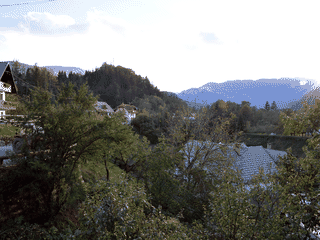
.jpg)
Bled
Slovenia46.37°N 14.12°E · 501 m
Overview
Triglav National Park brings together alpine scenery, gorges and waterfalls. Lake Bohinj offers a lakeside contrast to the mountain landscape.
Languages: Slovene
Why Go?
Triglav National Park covers nearly 85,000 hectares of Slovenia's Julian Alps, centered on Mount Triglav (2864m) and attracting over two million visitors annually. The park offers dramatic alpine scenery with numerous gorges, waterfalls, and the stunning Lake Bohinj—the country's largest lake—without the crowds of more commercialized destinations. It's ideal for hikers, nature lovers, and adventure seekers seeking Slovenia's wilderness experience.
Adapted from Wikivoyage contributors · CC BY-SA 4.0
Getting In
The park has multiple access points, with Tolmin Gorges serving as the southernmost entry. Nearest major towns include Bled, Bovec, Kranjska Gora, and Dovje-Mojstrana, all offering access roads and public transport links. The park includes 25 settlements with a total population of 2,352, most concentrated in Ribčev Laz near Lake Bohinj.
Adapted from Wikivoyage contributors · CC BY-SA 4.0
Getting Around
Public buses connect major settlements including Lake Bohinj, Bled, and Bovec. A free shuttle bus runs from Bled main station to Vintgar Gorge every 20-30 minutes during peak hours. Most trailheads require walking from bus stops or parking areas. Within the park, well-marked hiking trails connect mountain huts, gorges, and viewpoints.
Adapted from Wikivoyage contributors · CC BY-SA 4.0
When to Go
Summer (June-October) offers the best conditions for hiking and outdoor activities, with routes to Mount Triglav's summit open only during this period. July and August bring peak crowds; June and September offer fewer visitors with similar weather. Afternoon thunderstorms are common in summer—always check weather conditions before hiking. Winter access is limited to cross-country skiing and ski resorts.
Adapted from Wikivoyage contributors · CC BY-SA 4.0
Where to Stay
Better accommodation options are located in nearby towns of Bled, Kranjska Gora, Dovje-Mojstrana, and Bovec. Within the park, mountain huts offer simple meals and accommodation—reservations are strongly advised in peak season. Lake Bohinj has several hotels including Hotel Jezero, Hotel Bellevue, and budget-friendly Hotel Pod Voglom. Camping is prohibited throughout the park.
Adapted from Wikivoyage contributors · CC BY-SA 4.0
Food and Drink
In Ribčev Laz, hotel restaurants provide meals, while mountain huts sell simple dishes and refreshments. The region is renowned throughout Slovenia for locally-produced alpine cheeses, sold by farmers in half-kilogram wedges in small villages and mountain huts below the treeline. Restaurants like Gostilna Rupa specialize in pork and fish with live music on Thursdays.
Adapted from Wikivoyage contributors · CC BY-SA 4.0
Things to Do
Mount Triglav (2864m) is the iconic summit, requiring no climbing skills but demanding no fear of heights; routes are open June-October. Vintgar Gorge features a 1600m wooden footbridge along the Radovna River dating to 1893, ending at Šum waterfall. Lake Bohinj offers swimming, paddleboarding, and boat hire with a ferry connecting Ribčev Laz and Ukanc. Adventurous activities include canyoning in gorges and rafting on the Soča River.
Adapted from Wikivoyage contributors · CC BY-SA 4.0
Safety
Always check weather conditions before hiking—afternoon thunderstorms are common in summer, and you should seek shelter in mountain huts during storms. Carry warmer clothes even in summer, proper hiking shoes, and helmets for ferratas. Ropes and belays are advisable for fixed-rope routes. Snakes and bears exist but encounters are rare. In emergencies, call 112 or contact the nearest mountain hut.
Adapted from Wikivoyage contributors · CC BY-SA 4.0
Connectivity
Mobile coverage is generally good in settlements and along major valleys. WiFi is available at hotels and some mountain huts. Slovenia uses Type F power plugs (220V/50Hz). Mountain huts have limited or no connectivity—plan accordingly for multi-day hikes.
Adapted from Wikivoyage contributors · CC BY-SA 4.0
Budget
Budget travelers should budget for mountain hut stays (typically €20-40 per night with breakfast), self-catering using local alpine cheeses and provisions from village shops, and park activities. Vintgar Gorge and Mostnica Gorge charge €2 entry. Daily budget for budget travelers: €50-80 including accommodation in hostels or mountain huts, food, and activities.
Adapted from Wikivoyage contributors · CC BY-SA 4.0
Day Trips
The famous Lake Bled is a short bus ride from the park's eastern section. The Soča Valley offers additional outdoor activities and scenic drives. The Vršič mountain pass provides spectacular views between the Sava and Soča river valleys. Italian lakes (Lakes of Fusine) are accessible for those with vehicles.
Adapted from Wikivoyage contributors · CC BY-SA 4.0
Etiquette
Slovenians appreciate visitors attempting Slovene phrases, even if imperfect. English is widely spoken, along with Italian and German. Dress respectfully when visiting churches—the 13th-century Church of St. John the Baptist in Ribčev Laz has remarkable frescoes by the Master of Bohinj. Remove hats in church interiors.
Adapted from Wikivoyage contributors · CC BY-SA 4.0
Go Next
Nearby destinations include Bled (famous lake with activities), Bovec (outdoor adventure hub), Kranjska Gora (ski resort and border crossing), and Ljubljana (Slovenia's capital). The road crossing from Kranjska Gora to Bovec via the Vršič pass offers awe-inspiring alpine scenery. Italy and Austria borders are minutes away for cross-border exploration.
Adapted from Wikivoyage contributors · CC BY-SA 4.0
Field guide adapted from Wikivoyage contributors · CC BY-SA 4.0. Text has been adapted and organized for this guide. About our sources.
Places to know
A few starting points from the guide. Check current hours and prices before you go.
- eat
Gostilna Mihovc
Adapted from Wikivoyage contributors
- eat
Gostilna Rupa
One of the best restaurants in the park, specializing in pork and fish. Live music on Thursdays.
Adapted from Wikivoyage contributors
- eat
MK Pizzeria
Adapted from Wikivoyage contributors
- see
Bled
The famous lake with various activities in the surroundings
Adapted from Wikivoyage contributors
- see
Boka Waterfall
Adapted from Wikivoyage contributors
- see
Church of St. John the Baptist
Tiny church, but includes some of the most brilliant frescoes in Slovenia, many painted by the Master of Bohinj. The exterior frescoes, however, are barely discernable. Dates to the 13th century. Wooden porch paved with river stones form the date 1639.
Adapted from Wikivoyage contributors
- see
Ciprnik
View of Planica, Tamar Valley and Rateče
Adapted from Wikivoyage contributors
- see
Hike along Pišnica
Hike along the creek through the valley
Adapted from Wikivoyage contributors
Before you go
Accommodation
Camping is prohibited in the park. Mountain huts require reservations in peak season. Hotels cluster around Lake Bohinj settlements.
Language
English widely spoken. Italians and Germans also common. Locals appreciate visitors attempting Slovene phrases.
Money
Slovenia uses the Euro (€). ATMs available in larger settlements. Most mountain huts are cash-only.
Safety
Call 112 for emergencies. Carry proper hiking gear including warmer clothes even in summer. Mountain huts provide shelter during storms.
Transport
Public buses connect Lake Bohinj, Bled, and Bovec. Free shuttle to Vintgar Gorge from Bled station every 20-30 minutes in peak season.
Weather
Check weather at meteo.arso.gov.si before hiking. Afternoon thunderstorms common in summer. Routes to Mount Triglav summit open June-October only.