.jpg)
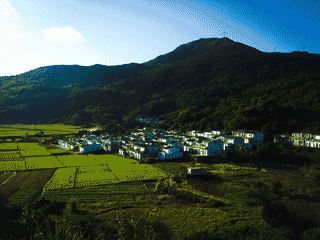
Taishan City
East Asia · China
Did you know?
- Stone Flower Mountain has an 8-km paved path for biking and rollerblading.
- Stone Bowl Eel Rice develops a crisp “nuong” layer as it cooks in a clay pot.
- The local Taishanese language is closely related to Cantonese but has low mutual intelligibility.
See also
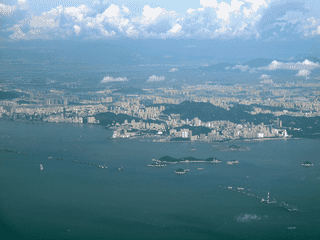

Zhuhai
China22.26°N 113.55°E · 36 m
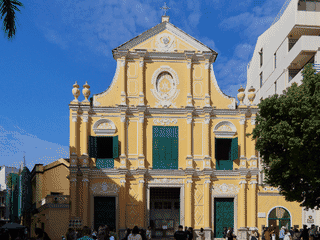

Macau
Macau22.17°N 113.55°E · 22 m
Zhongshan
China22.52°N 113.37°E · 11 m
Overview
Taishan is a compact base for traditional Cantonese food, local language, and overseas-Chinese heritage. Nearby Kaiping diaolou, Enping hot springs, and Yangjiang broaden the short-trip options.
Languages: Chinese
Why go?
Taishan is the ancestral homeland of hundreds of thousands of overseas Chinese in North America, earning it the nickname "First Home of the Overseas Chinese." The city offers authentic Taishanese cuisine (less deep-fried than typical Cantonese), unique diaolou watchtowers, hot spring resorts, and access to the Chuandao Islands for beach vacations at a fraction of Hainan prices. It's a rare chance to experience small-town Guangdong that most tourists never see, with locals eager to share their heritage with returning diaspora and curious visitors alike.
Adapted from Wikivoyage contributors · CC BY-SA 4.0
Get in
Taishan is served by Taishan Railway Station with connections to larger rail networks. The city lies in Jiangmen Prefecture, accessible by bus from neighboring cities like Kaiping (15 min), Enping (45 min), and Jiangmen (1 hour). Long-distance bus connections exist to Yangjiang (2 hours west) and further destinations. The nearest major airport is in Guangzhou or Shenzhen.
Adapted from Wikivoyage contributors · CC BY-SA 4.0
Get around
Local buses connect all towns in Taishan, with two main bus stations in Taicheng: Taishan Central "Juong Cheh Jaam" and "Top Saan" stations. Within towns, taxis include 4-wheel cars, motorcycles, and 3-wheelers — in smaller towns, only motorcycle and 3-wheel options exist. Biking is practical as towns are relatively flat; a basic commuter bicycle costs ¥200 to purchase. Van taxis can be hired for trips between towns.
Adapted from Wikivoyage contributors · CC BY-SA 4.0
Talk
The local language is Taishanese "Hoisanwah" (99% similar to Kaiping and Enping dialects), a Yue Chinese language often considered a dialect of Cantonese but with low mutual intelligibility. Cantonese serves as the regional lingua franca, while Mandarin is the national official language — most non-elderly locals speak both at least decently. English is essentially non-existent outside tourist-facing establishments.
Adapted from Wikivoyage contributors · CC BY-SA 4.0
When to go
Taishan has a subtropical climate: winters are mild (11-13°C in Jan-Feb), summers are hot and humid (32°C+ with humidity making it feel 37°C+). The most pleasant seasons are spring (March-May) and autumn (October-November). Summer brings scorching heat, sudden thunderstorms, and mosquito season. Tomb Sweeping Month (one month after Chinese New Year) is culturally significant when locals hike mountains to honor ancestors — foreigners are welcomed to join.
Adapted from Wikivoyage contributors · CC BY-SA 4.0
Where to stay
Taicheng (Toising) is the administrative capital and main base for tourists, offering the most amenities. Hotels range from budget options like Hotel at Bi Cui Yuan (¥80-110/night for full stay, ¥50 for 3-hour rest) to mid-range hotels like Gaoye Hotel adjacent to Pedestrian Street. The Country Garden Phoenix Hotel offers luxury but is several miles from the city center. For hot spring experiences, resorts like Fudu Hot Spring Holiday Resort and Sunrise Hot Spring Spa offer packages through local travel agents.
Adapted from Wikivoyage contributors · CC BY-SA 4.0
Food and drink
Taishan cuisine is Cantonese-style with emphasis on simpler fares — less deep-fried dim sum than larger Guangdong cities. Steaming in stainless steel cabinets is the preferred cooking method. The most famous dish is Stone Bowl Eel Rice "Wong Seen Fon" from Shuibu Town, where rice cooks in a clay pot creating a crispy "nuong" layer. Budget meals start at ¥3 for noodle soup, ¥5-20 for breakfast vendors. "Tea Cuisine" restaurants serve Western-Cantonese fusion food. Locals love late-night dining from 9-10PM. Local fruits include year-round bananas (¥3-7/lb), sugar cane (¥1-2/lb, Jan-Mar), and durian (May-Aug).
Adapted from Wikivoyage contributors · CC BY-SA 4.0
Things to do
In Taicheng, visit Shi Hua Shan (Stone Flower Mountain) for an accessible hike with a small temple midway up and a lake with pedal boat rentals. Stone Flower Mountain Park offers an 8-km paved path for biking/rollerblading with surrey rentals at ¥30-35/hour. Hot spring resorts include Fudu (¥55-75 via travel agents), Sunrise Hot Spring Spa (¥65 regular, ¥35 off-season), and Dreamland Resort (¥70). For beaches, head to Xiachuan Island (roundtrip boat ¥94, island bus ¥20, resort fee ¥40) or Lang Qin Wan Beach (¥35 entry). Cultural experiences include Tomb Sweeping Month mountain hikes and "Gook Yull" (sand oven) winter barbecues.
Adapted from Wikivoyage contributors · CC BY-SA 4.0
Stay safe
Taishan is relatively safe with light crime. The main hazard is traffic: sidewalks in the shopping core around Pedestrian Street are often blocked by motorcycles and vendor wares, forcing pedestrians to walk alongside car traffic. Drivers are more civilized than in other parts of China but won't stop for pedestrians. Avoid walking during four commute periods: 7:30-8AM, 11:30AM-noon, 1:30-2PM, and 5:30-6PM. Second-hand smoke is pervasive; eat at outdoor restaurants or venues with private rooms (ask for "law fong").
Adapted from Wikivoyage contributors · CC BY-SA 4.0
Connect
Free WiFi is available at numerous locations including Hotel Gaoye (entire building), Cu San, Hua Yuan Ka Fei, Tian Meng Yuan (2nd location only), Xin Da Di at Gaoye Shopping Center, He Lan Ka Fei (near Pedestrian Street), Chabel Snacks, Young Station Snacks, and Vinroy Coffee. Internet cafes "mong bahr" are numerous, including at Tian Liang Shopping Center. For mobile data, China Mobile and other major carriers offer SIM cards with 4G coverage throughout urban areas.
Adapted from Wikivoyage contributors · CC BY-SA 4.0
Budget
Taishan is extremely affordable for travelers. Budget accommodation starts at ¥80-110/night for hotels, with hostels likely lower. Street food breakfast costs ¥3-5, casual restaurant meals ¥10-30, and better restaurants ¥50-100. Local bus fares are minimal, motorcycle taxis available in smaller towns. Activities include hot spring entry ¥35-93 (cheaper via travel agents), beach entry ¥35, and mountain hiking mostly free. A reasonable daily budget is ¥150-300 excluding accommodation.
Adapted from Wikivoyage contributors · CC BY-SA 4.0
Day trips
Kaiping ("Hoi Ping") is a 15-minute bus ride north, famous for its historic diaolou watchtowers built by overseas Chinese. Enping ("Yun Ping") is 45 minutes west with numerous hot spring resorts. Yangjiang ("Yerng Gong"), China's knife manufacturing capital, is 40-50 minutes by train or 2 hours by bus. Heshan ("Hawk saan"), 1 hour north toward Guangzhou, has temples in mountains overlooking the highway. The major city of Jiangmen ("Gong Moon") is also nearby.
Adapted from Wikivoyage contributors · CC BY-SA 4.0
Etiquette
Taishan is traditional Guangdong society where respect for elders and ancestors is paramount. During Tomb Sweeping Month, joining locals on mountain hikes to honor ancestors is welcomed — foreigners ("gwi loes") are treated as a point of pride if they participate. Remove shoes when entering homes. When invited to private rooms at restaurants ("law fong"), it's a sign of hospitality. Greet with a slight nod or handshake; avoid firm handshakes with elders.
Adapted from Wikivoyage contributors · CC BY-SA 4.0
Go next
From Taishan, Kaiping's UNESCO-listed diaolou are a must-see (15 min by bus). Enping hot springs offer relaxation (45 min west). Further west, Yangjiang is the knife capital of China (40-50 min by train). North toward Guangzhou lies Heshan with mountain temples. The regional hub of Jiangmen ("Gong Moon") provides connections to larger cities. For island beaches, Xiachuan Island offers budget-friendly alternatives to expensive Hainan resorts.
Adapted from Wikivoyage contributors · CC BY-SA 4.0
Field guide adapted from Wikivoyage contributors · CC BY-SA 4.0. Text has been adapted and organized for this guide. About our sources.
Places to know
A few starting points from the guide. Check current hours and prices before you go.
- eat
Arc de Triumph
If you have a hankering for an American breakfast, the best place to get it is at Hotel Gaoye's breakfast buffet which runs from 7:30AM to 10:30AM. In addition to coffee/eggs/ham/bacon/sausage, there also are Chinese breakfast foods. The cost is ¥38 plus 10% tip -- hotel guests eat free. The buffet is only open on weekends.
Adapted from Wikivoyage contributors
- eat
Breakfast vendor
The dish of choice here is noodle soup. There is no variation at all -- it comes with a bit of vegetable, fish patty, mushroom and pork. However, the noodles are firm and fresh. And best of all, it only costs ¥3.
Adapted from Wikivoyage contributors
- eat
Breakfast vendor (S Gate Rd)
Best steam noodle rolls in Taishan with thin, discrete layers that distribute sweet soy sauce evenly.
Recorded price: ¥3-5
Adapted from Wikivoyage contributors
- eat
Country Garden Phoenix Hotel
The Cantonese restaurant here arguably has the best dim sum in Taicheng. Dim sum is served mornings and late evenings -- the hours in between are open for lunch/dinner.
Adapted from Wikivoyage contributors
- eat
Cu San
This is a western-style restaurant in Taishan with a huge menu offering everything from steak to lamb chops to grilled salmon. One of the managers speaks English fairly well and she will take orders from obvious "gwi loes".
Adapted from Wikivoyage contributors
- eat
Da Yu Ji Pork Chop
Formerly known as Chabel. Tea cuisine, blended fruit drinks, Macau-style egg tarts, Macau-style chicken/pork sandwiches. For less than ¥20, you can get a sandwich and drink.
Adapted from Wikivoyage contributors
- eat
Duhu Seafood Street
This is a town 30 minutes drive from Taicheng. You will find many open air stalls selling live seafood. Pick whatever meets your fancy and take it to any of the local restaurants who will then cook to your preference. If you like fresh abalone, you can get it here from ¥5 to ¥15 per abalone depending on size/quality.
Adapted from Wikivoyage contributors
- eat
Fu Lin Men
This restaurant offers Cantonese food most similar to what's available in Hong Kong or Guangzhou. You can also have dim sum here early in the morning and late evenings.
Adapted from Wikivoyage contributors
Before you go
Connectivity
Free WiFi available at Hotel Gaoye, Cu San, Hua Yuan Ka Fei, Tian Meng Yuan (2nd location), Xin Da Di, He Lan Ka Fei, Chabel Snacks, and Young Station Snacks. Internet cafes ("mong bahr") are plentiful near Pedestrian Street.
Culture
Taishan is the "First Home of the Overseas Chinese" — the ancestral homeland for hundreds of thousands of North American Chinese. Taishanese ("Hoisanwah") is the local language, similar to Cantonese but less mutually intelligible. English is rare.
Food
Taishan cuisine is lighter Cantonese — expect steamed dishes over fried. Famous dish is Stone Bowl Eel Rice "Wong Seen Fon" from Shuibu Town. Budget meals from ¥3 for noodle soup. Late-night dining (9-10PM) is popular.
Health
Mosquitoes are prevalent when temperatures exceed 25°C — use repellent ("mun pah suoy") and wear long pants. Summer heat reaches 32°C+ with humidity making it feel 37°C+ — apply sunscreen and carry umbrellas for both sun and sudden summer storms.
Language
Taishanese ("Hoisanwah") is the local dialect, closely related to Cantonese. Cantonese is the regional lingua franca; Mandarin is the national official language. Most non-elderly locals speak both. English is virtually non-existent.
Money
Chinese Yuan (¥) is the local currency. Exchange money with the informal money changers at the east end of Pedestrian Street under the archway — they handle USD, HKD, and CAD. ATMs accept international cards at major banks.
Safety
Taishan is generally safe. Main hazard is chaotic pedestrian traffic near Pedestrian Street — avoid rush hours (7:30-8AM, 11:30AM-noon, 1:30-2PM, 5:30-6PM). Second-hand smoke is pervasive; seek outdoor seating or private rooms.
Transport
Local buses connect all towns; two main stations in Taicheng. Taxis include 4-wheel cars, motorcycles, and 3-wheelers. Van taxis available for multi-stop trips. Towns are flat — biking is practical with bikes costing ¥200.
Weather
Subtropical climate: winter lows of 11-13°C (Jan-Feb), summer highs of 32°C+ with intense humidity. Best seasons are spring (March-May) and autumn (October-November). Summer brings heat, mosquitoes, and thunderstorms.