Overview
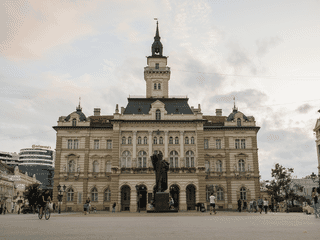
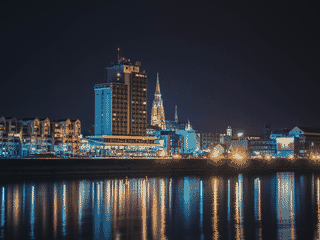
Subotica stands out as a hidden gem in northern Serbia, renowned for its exceptional Hungarian Art Nouveau architecture from the early 20th century's golden period. The city offers a relaxed atmosphere without big-city congestion, yet delivers disproportionate beauty with its colorful facades, ornate buildings, and vibrant cultural scene.
Architecture · Budget Travel · Day Trips · Festivals · History
Before you go
Connectivity
Most cafes and public spaces offer WiFi. Local SIM cards available for data. European two-pin plugs (Type C/F) used.
Culture
Multicultural city: 1/3 Hungarian, 1/3 Serbian, 1/3 Croatian. Both Serbian and Hungarian widely spoken. English common among younger people, German among older.
Food
Must-try: burek (RSD100), ćevapi in lepinja, pljeskavica, palačinke (sweet or savory crêpes), gulaš and paprikaš stews. Roštilj (barbecue) restaurants common.
Language
Serbo-Croatian and Hungarian in daily use. English best with younger/middle-aged people. German useful for older generations (60+).
Money
Serbian Dinar (RSD) is the local currency. Credit cards accepted at most hotels, restaurants, and supermarkets. Burek and street food around RSD100. Hostels from RSD900/night.
Packing
Bring layers for changeable weather. Comfortable walking shoes essential for exploring city center architecture. Light jacket for summer evenings.
Safety
Generally safe city. Normal urban precautions apply. Lake Palić parks popular and well-maintained.
Transport
Single bus tickets cost RSD95. Taxis available near Town Hall and train station - ensure meter is on. 56 public bikes available at 4 parking points. Bus #6 to Palić (RSD120).
Weather
Best visited spring through autumn. Summer brings festivals but also more crowds. Winter cold but fewer tourists and lower prices.