
Osijek
Eastern Europe and the Balkans · Croatia
Did you know?
- Riblji paprikas pairs fish stew with handmade noodles.
- The tram system traces its beginnings to 1884.
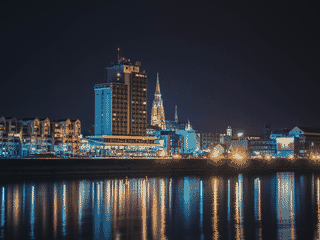
- The Drava promenade passes a marina and riverside cafes.
See also
.jpg)
Pécs
Hungary46.07°N 18.23°E · 153 m
Overview
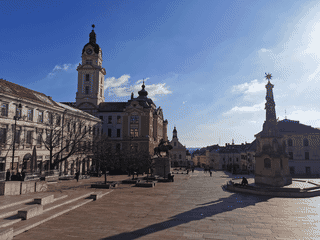
Osijek's Tvrđa quarter combines Habsburg baroque architecture with museums, churches and bars. Its historic square provides a compact introduction to the city's cultural life.
Languages: Croatian
Why Go
Osijek is the fourth-largest city in Croatia with around 96,000 residents and serves as the economic and cultural hub of eastern Slavonia. The city bears some scars from the 1990s conflict—some buildings still have bullet holes or shrapnel markings—but most have been meticulously restored. With approximately 15,000 university students, the city maintains a youthful energy and excellent value compared to more tourist-heavy coastal destinations.
Adapted from Wikivoyage contributors · CC BY-SA 4.0
Get In
Osijek is the major rail and road hub for eastern Croatia. The city has an airport (Osijek Airport) with twice-weekly Croatia Airlines service from Munich on Mondays and Fridays, plus seasonal flights from Split and Dubrovnik in summer. Buses and taxis connect the airport with the city center. The main train station serves connections across Croatia and international routes.
Adapted from Wikivoyage contributors · CC BY-SA 4.0
Get Around
Osijek has a tram system dating back to 1884, with three main lines connecting the railway station, town square, Tvrđa fortress, industrial district, and city borders. Tickets can be bought from the driver or via a BUTRA-universal bus/tram card for unlimited riding. Local buses run every 10-15 minutes within the city and every 20-25 minutes to surrounding settlements. The city is fairly flat and designed for pedestrians. Numerous bicycling routes exist, such as Donji grad-Bilje. Taxis serve the main railway station and airport to city center route.
Adapted from Wikivoyage contributors · CC BY-SA 4.0
When to Go
Osijek experiences continental climate with hot summers and cold winters. Summer brings outdoor swimming at Copacabana beach on the Drava River (free entry), festivals like Osijek Cultural Summer and Osijek Beer Festival, and UFO Urban Fest Osijek. The city is least crowded during shoulder seasons, though some attractions may have limited hours. July features the annual folk and embroidery festival in Đakovo, a half-hour south.
Adapted from Wikivoyage contributors · CC BY-SA 4.0
Where to Stay
Accommodation ranges from budget hostels to four-star hotels. Hostel Tufna offers affordable stays in the city. Guesthouse Maksimilian in Tvrđa fortress provides good value. For mid-range options, Hotel Central sits at the central square Trg A. Starčevića, while Hotel Osijek overlooks the Drava River with 140 rooms and 7 apartments. Zoo Hotel is located at Tvrđavica near the Osijek Zoo. Pansion kod Ruže offers 15 rooms with buffet breakfast included.
Adapted from Wikivoyage contributors · CC BY-SA 4.0
Food and Drink
Traditional Slavonian cuisine is a highlight, with influences from all directions and a preference for spicy food. Local specialties include riblji paprikas (fish stew with hand-made noodles) and kulen (spicy sausages). Restaurant dining offers better value than other large Croatian cities. Numerous pizzerias dot the city, with El Paso in the Winter Port and Galija on the upper coast of the Drava River being particularly atmospheric. Traditional food restaurants cluster mostly in Tvrđa fortress. Every street has at least one bakery selling fresh bread and burek. Osijek has the oldest beer brewery in Croatia, founded in 1687, producing beer and non-alcoholic drinks. Beer costs 1.50-2 EUR per 0.5L bottle.
Adapted from Wikivoyage contributors · CC BY-SA 4.0
Things to Do
Tvrđa is a beautifully preserved 18th-century Habsburg baroque fortress designed by Maximillian de Gosseau in 1721, with museums, churches, bars, and clubs around Trg Svetog Trojstva. The Co-Cathedral of St Peter and St Paul is Croatia's tallest church at 90m, featuring stained glass windows and a Walcher pipe organ. The Croatian National Theatre (Zupanijska) was built in 1886 and painstakingly restored after war damage. Promenada along the Drava River offers pleasant walks past the marina and cafes. Visit the Franciscan monastery in Tvrđa for baroque interior and monastery library. Cycling to village Bilje (10 km) explores golden fields and forests—watch for mine field signs. Summer swimmers enjoy Copacabana beach on the Drava (free). Football fans can catch NK Osijek at Opus Arena (capacity 13,000).
Adapted from Wikivoyage contributors · CC BY-SA 4.0
Safety
Osijek is generally safe for travelers. Be aware of mine field signs in forests surrounding the city—do not venture off marked paths in wooded areas, particularly around Bilje and Kopački Rit. Some buildings still show war damage. Standard urban precautions apply regarding personal belongings.
Adapted from Wikivoyage contributors · CC BY-SA 4.0
Connectivity
Most accommodations and cafes offer free WiFi. Mobile coverage is reliable throughout the city via Croatian carriers (T-Hrvatski Telekom, A1, VH Telecom). Power sockets use standard European Type C/F (230V/50Hz).
Adapted from Wikivoyage contributors · CC BY-SA 4.0
Budget
Osijek offers excellent value for backpackers. Dorm beds in hostels start around 15-20 EUR. A beer costs 1.50-2 EUR. Traditional restaurant meals provide better value than coastal Croatia. Local buses and trams use a BUTRA card for unlimited rides. Open-air markets offer fresh produce at low prices.
Adapted from Wikivoyage contributors · CC BY-SA 4.0
Day Trips
Kopački Rit wetlands (15 km north) is Europe's largest natural wetlands with spectacular birdlife—take local bus to Bilje then walk 2-3 km. Đakovo (30 minutes south) features an enormous cathedral and Lipizzaner horse training center; July hosts a folk and embroidery festival. Vukovar (under 1 hour by bus, departing almost hourly) provides sobering insight into the 1990s conflict at this completely rebuilt border town. Bizovac thermal spas to the west offer better value than Zagreb spas with fewer tourists, accessible by train or bus.
Adapted from Wikivoyage contributors · CC BY-SA 4.0
Go Next
From Osijek, Panturist is the major bus operator with domestic and international listings. Vukovar lies less than an hour away with buses every hour. Đakovo is 30 minutes south with its cathedral and Lipizzaner horses. Kopački Rit nature park is 15 km north for birdwatching. Thermal spas in Bizovac provide relaxation accessible by train or bus.
Adapted from Wikivoyage contributors · CC BY-SA 4.0
Field guide adapted from Wikivoyage contributors · CC BY-SA 4.0. Text has been adapted and organized for this guide. About our sources.
Places to know
A few starting points from the guide. Check current hours and prices before you go.
- sleep
Amor d.o.o.
Rooms in Prenoćište Tina have bathroom, LCD TV, air conditioner and free wi-fi. In same object there is also restaurant and caffe bar.
Adapted from Wikivoyage contributors
- sleep
Guesthouse Maksimilian
Good value for the price.
Adapted from Wikivoyage contributors
- eat
Caffe Bar Focus
Formerly Leganini, with “Lega” meaning “pal” in the Osijek dialect. The motto of this “friendly café” is “Try something new,” meaning a sandwich wrap instead of čevapi or pljeskavica. The flat bread is made to order, then wrapped around your choice of meats, sauces and fresh vegetables. Located on the way into town on the route from Đakovo highway, this is a good place for a quick bite if you’re hungry after a long drive. They also deliver.
Adapted from Wikivoyage contributors
- eat
El Paso
Atmospheric pizzeria in the Winter Port along the Drava River
Adapted from Wikivoyage contributors
- eat
Galija
Popular pizzeria on the upper coast of the Drava River
Adapted from Wikivoyage contributors
- eat
Traditional Food Restaurants in Tvrđa
Traditional Slavonian cuisine served in the fortress district
Adapted from Wikivoyage contributors
- see
Church of St. Michael
Second largest church in the city, built in high baroque and royal style; priest offers tours
Adapted from Wikivoyage contributors
- see
Church of St. Roch
First Catholic church built after Ottoman rule ended
Adapted from Wikivoyage contributors
Before you go
Connectivity
WiFi widely available in cafes and accommodations. Standard European Type C/F power (230V/50Hz). Croatian mobile carriers provide reliable coverage.
Food
Traditional Slavonian cuisine features spicy kulen sausages and riblji paprikas fish stew. Restaurants offer better value than coastal destinations. Every street has bakeries with fresh bread and burek.
Money
Croatia uses the Euro (EUR). Credit cards accepted at hotels, restaurants, and larger shops. Cash preferred at open markets and smaller establishments.
Safety
General urban safety applies. Beware of unmarked mine areas in surrounding forests—stay on marked paths. Some buildings still show war damage.
Transport
Trams and buses use BUTRA card for unlimited rides, or tickets from drivers. City is walkable with few hills. Taxis available for airport/station transfers.