
Stone Town
Africa · Tanzania
See also
.jpg)
Nungwi
Tanzania5.73°S 39.30°E
Paje
Tanzania6.27°S 39.53°E
Dar es Salaam
Tanzania6.80°S 39.28°E · 12 m
Overview
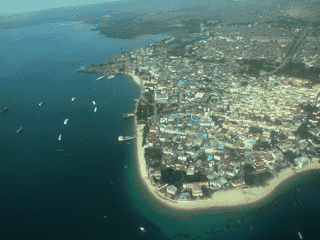
Stone Town is Zanzibar's cultural heart and East Africa's most architecturally distinctive city. The UNESCO-listed old town preserves a 19th-century Swahili settlement where coral-stone buildings with carved wooden balconies, brass-studded doors, and rooftop turrets reflect centuries of trade with Arabia, Persia, India, and Europe.
Languages: English, Swahili
Why go?
Stone Town is Zanzibar's cultural heart and East Africa's most architecturally distinctive city. The UNESCO-listed old town preserves a 19th-century Swahili settlement where coral-stone buildings with carved wooden balconies, brass-studded doors, and rooftop turrets reflect centuries of trade with Arabia, Persia, India, and Europe. It's a living museum that rewards wanderers willing to get lost in its narrow alleys, with the scent of cloves and incense mingling with call-to-prayer echoes and the chatter of dhow sailors at the waterfront.
Adapted from Wikivoyage contributors · CC BY-SA 4.0
Getting there
Stone Town is accessible by ferry from Dar es Salaam (Azam Marine, 6-8 hours crossing, US$35-45 for tourist class), by air via Zanzibar International Airport (accessible via Ethiopian Airlines, Kenya Airways, and coastal flights), or by dhow from nearby Pemba. The ferry port is centrally located on Creek Road, making most accommodation walkable upon arrival.
Adapted from Wikivoyage contributors · CC BY-SA 4.0
Get around
Stone Town is compact and best explored on foot—its narrow streets and small blocks make navigation more about wandering than distance. The main seafront promenade (Mizingani Road) runs along the waterfront, while the market and most sights are within a 15-minute walk of each other. Bajaj (auto-rickshaw) fares within town typically cost TSh 2,000-5,000.
Adapted from Wikivoyage contributors · CC BY-SA 4.0
When to go
The best time to visit is during the dry season from June to October, when rainfall is lowest (July sees only 30.8mm) and temperatures hover around 29°C. The long rains fall from April-May, and short rains occur in October-November. Festival highlights include Zanzibar International Film Festival (July/August, the largest cultural event in East Africa), Maulid celebrations marking the Prophet's birthday (dates vary by lunar calendar), and Eid festivals when the Muslim character of the town becomes especially pronounced.
Adapted from Wikivoyage contributors · CC BY-SA 4.0
Where to stay
Budget accommodation in Stone Town ranges from US$14 dorm beds to TSh 45,000-90,000 doubles in budget hotels. During low season (April-May, November), several hotels close and prices are highly negotiable—arrive without luggage to leverage bargaining power. High season (June-October, December-January) sees demand surge; book online platforms carefully as double-bookings are common. Key areas include the seafront for tourists, Shangani for nightlife, and the narrow lanes behind the market for authentic local immersion.
Adapted from Wikivoyage contributors · CC BY-SA 4.0
Food and drink
Forodhani Gardens transforms nightly into Zanzibar's most famous street-food market, serving Zanzibari pizza, grilled seafood, and sugarcane juice for under US$1. Lukmaan restaurant near the slave market offers affordable local dishes where you point at what you want. Traditional Zanzibari cuisine includes octopus curry, coconut rice, and pilau—expect to pay US$8-15 at sit-down restaurants like House of Spices and Beyt al Chai. The tea culture is strong; Passing Show Restaurant near the harbor is packed with locals drinking chai in the evening.
Adapted from Wikivoyage contributors · CC BY-SA 4.0
Things to do
Key museums include Palace Museum (Beit el-Sahel) showcasing the Zanzibari royal family's daily life, House of Wonders with its Swahili culture exhibits (closed since 2014 for renovation), and Freddie Mercury Museum on Kenyatta Road. The Anglican Cathedral stands atop the old Slave Market, where the altar covers the whipping post. Changuu Island (Prison Island) offers day trips to see 200-year-old Seychelles turtles, reachable by boat from the beach near the ferry for US$15-37 per person. Cooking classes at Tangawizi Bistro teach Swahili cuisine. Evening wharf dinners near Blues Restaurant combine cheap local fish with live music.
Adapted from Wikivoyage contributors · CC BY-SA 4.0
Buy
The Forodhani Gardens curio market next to the food stalls sells spices, textiles, and carved wooden doors. Halai's on Hurumzi Street offers colorful textiles at fixed prices, while Emerson on Hurumzi attracts those seeking traditional Zanzibari crafts. Spice tours (Mitus Spice Tour, Malindi Rd, US$12-25) offer half-day experiences with lunch. Always bargain—first prices are inflated by 50-100%, and walking through the entire market reveals progressively lower asking prices.
Adapted from Wikivoyage contributors · CC BY-SA 4.0
Safety
Stone Town is generally safe for travelers, though petty theft occurs—lock valuables in guesthouses and be cautious in crowded markets. Women should dress modestly (cover shoulders and knees) out of respect for the Muslim community. Some areas can feel uncomfortable at night; stick to main streets. The main beach area has reports of aggressive vendors (papasi); politely but firmly decline.
Adapted from Wikivoyage contributors · CC BY-SA 4.0
Connectivity
Major mobile providers are Vodacom, Tigo, and Airtel with widespread coverage on Zanzibar. SIM cards are readily available and affordable. Most hotels and restaurants offer free WiFi, though speeds are moderate. Power outlets use British-style Type G (three rectangular pins) and Continental Type D (three round pins in a triangle)—230V.
Adapted from Wikivoyage contributors · CC BY-SA 4.0
Etiquette
Stone Town is predominantly Muslim; visitors should dress modestly, especially when visiting mosques and conservative neighborhoods. Remove shoes before entering mosques. During Ramadan, many establishments close during daylight hours. Photography of local people, especially women, should be requested first. Bargaining is expected in markets and with taxi drivers—it's a social interaction, not confrontation.
Adapted from Wikivoyage contributors · CC BY-SA 4.0
Go next
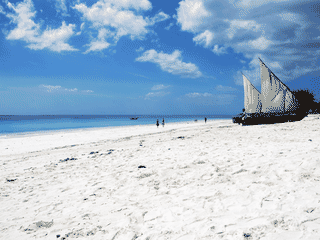
Beaches: Nungwi and Kendwa in the north (1-2 hours by daladala, TSh 3,000-5,000) offer sunset views and water activities. Paje on the east coast (1.5 hours) is famous for kitesurfing. Prison Island (Changuu) has giant tortoises and snorkeling. Spice farms near Stone Town offer half-day tours. Pemba Island to the north is more rustic with diving opportunities, accessible by ferry or small plane.
Adapted from Wikivoyage contributors · CC BY-SA 4.0
Field guide adapted from Wikivoyage contributors · CC BY-SA 4.0. Text has been adapted and organized for this guide. About our sources.
Places to know
A few starting points from the guide. Check current hours and prices before you go.
- sleep
Africa House Hotel
A historical building dating back to the first generation of old Arab houses at Shangani waterfont in Stone Town. Around 1900, it became the English Club for members of the British navy officers. In 1964 the club was taken over by the Tanzanian government. The building was privatised in the 1990s and offers hotel accommodation, the Sunset Bar (a popular meeting place for sundowners), a restaurant, a library and an Arabic shisha smoking lounge.
Adapted from Wikivoyage contributors
- sleep
Annex of Abdullah
Very basic but very cheap single rooms with shared bathrooms. Basic breakfast included. A really decent find for the budget traveller.
Recorded price: US$15
Adapted from Wikivoyage contributors
- sleep
Clove Hotel Zanzibar
A Dutch-owned hotel.
Adapted from Wikivoyage contributors
- sleep
Coco del mer
Nice and central hotel with mostly decent rooms. Ask for discount for about half price. There is also a restaurant downstairs.
Recorded price: double US$60
Adapted from Wikivoyage contributors
- sleep
Dhow Inn
This quiet, comfortable and atmospheric hotel is small and intimate with only 6 rooms. Well equipped rooms, stylish swimming pool, free wifi, attentive staff and the hotel is active with various local NGOs. No small children.
Recorded price: US$65
Adapted from Wikivoyage contributors
- sleep
Dhow Palace Hotel
Slow internet connection (Wifi) available.
Recorded price: Non-residents from US$75 for a single
Adapted from Wikivoyage contributors
- sleep
Flamingo Guest House
A great budget place 10 minutes from the city centre. It is simple, clean and rooms with private bathrooms are a bit more expensive. The breakfast is quite nice and substantial including fruit, a loaf of bread, eggs, and coffee/tea.
Recorded price: Single US$15, double $28, dorm $15 per person
Adapted from Wikivoyage contributors
- sleep
Fontaine Garden Village
Offers 11 bungalows, some en suite, some shared facilities. There is also a house that sleeps 5. 20-seat restaurant. 100 m from the beach. 45 minutes from Stonetown.
Adapted from Wikivoyage contributors
Before you go
Culture
Stone Town is 95%+ Muslim; dress modestly and respect prayer times. The call to prayer echoes through the city five times daily.
Health
Standard travel vaccinations recommended. Medical facilities are basic; serious cases require evacuation to Dar es Salaam or Nairobi. Drink bottled water.
Money
Tanzanian Shilling (TSh) is the local currency; US dollars widely accepted in tourist areas but at poor rates. ATMs available but often unreliable. Credit cards accepted at upscale hotels and some restaurants only.
Transport
Bajaj (auto-rickshaw) is the main local transport within Stone Town; negotiate fares before departure. Daladala minibuses connect to beaches and villages across the island.
Visa
Most nationalities receive a visa on arrival at Zanzibar Airport or Ferry Terminal; confirm current requirements before travel.
Weather
Tropical climate; dry season June-October is optimal. Temperatures 21-33°C year-round. Long rains April-May can disrupt transport.