Paje
Africa · Tanzania
See also
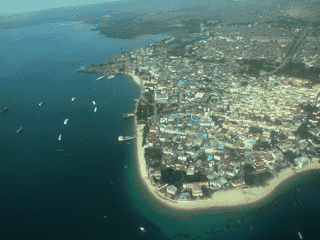

Stone Town
Tanzania6.17°S 39.18°E
.jpg)
Nungwi
Tanzania5.73°S 39.30°E
Dar es Salaam
Tanzania6.80°S 39.28°E · 12 m
Overview
Paje is a sleepy fishing village of roughly 5,000 people on Zanzibar's southeast coast that has become East Africa's premier kitesurfing destination since the first school opened in 2012. Unlike busier parts of Zanzibar, Paje retains an authentic, chilled-out beach atmosphere with fewer persistent beach boys and vendors.
Languages: English, Swahili
Why go?
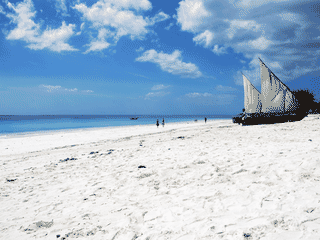
Paje is a sleepy fishing village of roughly 5,000 people on Zanzibar's southeast coast that has become East Africa's premier kitesurfing destination since the first school opened in 2012. Unlike busier parts of Zanzibar, Paje retains an authentic, chilled-out beach atmosphere with fewer persistent beach boys and vendors. The village offers a rare combination of world-class wind conditions for kitesurfing, stunning tidal beaches where you can walk nearly a kilometer to reach water at low tide, and traditional Swahili culture where fishermen repair dhows and women gather seaweed. Even walking the beach at midnight is considered safe, making it ideal for solo travelers seeking both adventure and tranquility.
Adapted from Wikivoyage contributors · CC BY-SA 4.0
Getting in
Paje lies on the east coast about an hour's drive from Zanzibar Airport. A taxi from the airport costs approximately US$60, though drivers just outside the terminal offer rides for around US$40. Shared shuttles booked through The Zanzibus (thezanzibus.com) provide taxi-like comfort for US$10 per person. The cheapest option is the local dala-dala bus at TSh 2,000, which departs from outside the city center and is less comfortable but offers authentic local interaction and travel tips from passengers. Since Paje stretches over 5km, always tell your driver the specific hotel name or nearest landmark rather than just 'Paje' to avoid being dropped at the most expensive resort.
Adapted from Wikivoyage contributors · CC BY-SA 4.0
Getting around
The entire 5km village strip from Bwejuu in the north to Jambiani in the south can easily be explored on foot, though the hot sun can exhaust you within 10 minutes so bring sun protection. Bicycle rentals are available at many resorts, or you can hire a taxi for around US$1.30 per person when sharing. Motorbike and scooter rentals are also options for more independence. Dala-dala routes 309 and 340 connect Paje to Stone Town in 30-40 minutes. Note that most roads in Paje are dusty tracks unsuitable for standard cars, so foot, bicycle, or motorbike are the practical choices.
Adapted from Wikivoyage contributors · CC BY-SA 4.0
When to go
Paje's weather is strongly influenced by monsoon patterns, so checking weather forecasts before planning activities is essential. The kitesurfing season runs from November to March when the kusi (southeast monsoon) provides consistent winds. The beach is tide-dependent — at low tide you may need to walk nearly 1km to reach water, while high tide can cause the beach to disappear entirely. These extremes typically occur once monthly, aligned with the lunar cycle. The village becomes livelier during peak kitesurfing season, with more bars hosting parties and events along the beach.
Adapted from Wikivoyage contributors · CC BY-SA 4.0
Where to stay
Accommodation in Paje ranges from budget bungalows to luxury resorts. Summer Dream Lodge, a Dutch-owned property about 2 minutes from the beach, offers rooms around US$25 including WiFi and breakfast, with dorms available and enormous beds — walk to kite schools in 20 minutes. Ndame Beach Lodge provides 14 bungalows with 31 rooms in a tropical garden for US$40-50 per person, including breakfast, free coffee and tea all day, and Wifi. White Beach Hotel in nearby Bwejuu offers 6 bungalows near the beach at US$25 per person including breakfast and taxes. For splurging, Hakuna Majiwe Beach Lodge features 20 beachfront bungalows with an Italian-African restaurant from $250+ per night.
Adapted from Wikivoyage contributors · CC BY-SA 4.0
Food and drink
Paje's casual food scene has grown alongside its kitesurfing culture, with local meals starting around US$5-7 and international dishes like pasta or pizza from US$10. Zanzibari cuisine blends African, Indian, and Arabic influences using local spices — dishes are flavorful but not overly spicy. Seafood availability depends on the daily catch, with many restaurants displaying chalkboard menus. Utalli Restaurant on the Main Road (opposite Shirin Supermarket) serves good-value rice or ugali with vegetable sauces and optional fish with relatively fast service. Mapacha Food Court offers burgers, grill, pizza, seafood, and vegetarian options at multiple stalls under one roof, popular as an evening gathering spot. The beachfront Oxygen Restaurant is known for fresh seafood and high sunset views. Evening bars include Oxygen (weekly events), Jambo Beach Bungalows (regular social evenings), and Vuvuzela (occasional larger parties). Local beers Kilimanjaro and Safari are widely available alongside fresh pineapple, orange, and papaya juices.
Adapted from Wikivoyage contributors · CC BY-SA 4.0
Things to do
Kitesurfing dominates the activity list — compare prices at the several schools clustered within 1km of each other. When tide is in, swim in the lukewarm Indian Ocean water, or carefully time a walk to the coral reef by watching when locals go (watch the incoming tide). Scuba diving is available through Buccaneer Diving. The iconic Rock restaurant on Michamvi peninsula is a popular excursion — approximately TSh 40,000 for a return taxi or rent a Vespa for US$25/day, best combined with a Blue Lagoon Snorkelling trip. Evenings bring football games on the beach where locals, men, and tourists gather for matches followed by drinks regardless of the score.
Adapted from Wikivoyage contributors · CC BY-SA 4.0
Safety
Paje is considered safe even for walking on the beach at midnight, though standard beach and travel precautions apply. The main safety concerns are sun exposure (the tropical sun can cause burns in minutes), tidal extremes that can catch walkers off guard when returning from the reef, and the usual petty scams associated with beach touts who may subcontract services. Credit card acceptance is limited to the largest hotels and restaurants, so carry cash for smaller establishments.
Adapted from Wikivoyage contributors · CC BY-SA 4.0
Connectivity
WiFi is included at several mid-range accommodations like Ndame Beach Lodge and Summer Dream Lodge. However, connectivity throughout the village can be inconsistent. There are several ATMs in Paje near the petrol station and main roundabout for cash withdrawal. Most smaller shops, stalls, and local restaurants operate on a cash-only basis.
Adapted from Wikivoyage contributors · CC BY-SA 4.0
Budget
Budget travelers can manage on US$30-40 per day including a basic guesthouse bed (US$15-25), street food or local restaurant meals (US$5-15), occasional dala-dala rides (TSh 2,000), and activities like swimming and beach walks. A kitesurfing lesson package will add significantly to daily costs. Budget an extra US$10-25 for The Rock excursion or Vespa rental if you want to explore beyond the village.
Adapted from Wikivoyage contributors · CC BY-SA 4.0
Day trips
Jambiani and Bwejuu are reachable within an hour's walk or bike ride along the beach in either direction. The famous Rock restaurant in Michamvi makes a popular half-day trip (TSh 40,000 taxi or US$25 Vespa rental), ideally combined with Blue Lagoon Snorkelling. Stone Town is 30-40 minutes by dala-dala or taxi for those wanting to explore Zanzibar's historic capital.
Adapted from Wikivoyage contributors · CC BY-SA 4.0
Etiquette
Paje operates at a relaxed pace where locals spend their days gathering seaweed, making coconut fiber ropes, and building or repairing dhows. When photographing people, especially children who may ask for 'caramella' (sweets) or biscuits, always ask permission first — for many locals, photo tips represent a welcome source of income. Dress modestly away from the immediate beach areas. The village is predominantly Muslim, so consider this when exploring inland.
Adapted from Wikivoyage contributors · CC BY-SA 4.0
Go next
Head north to Bwejuu (turn left at the main crossroads) or south to Jambiani and Makunduchi (turn right) — both villages offer similar beach atmospheres with fewer crowds. Stone Town, Zanzibar's historic UNESCO-listed capital, is 30-40 minutes away by dala-dala (routes 309, 340) or taxi and offers the famous House of Wonders, Forodhani Gardens food market, and deep Swahili and Omani history. The southern villages of Makunduchi offer a more traditional experience away from tourism's footprint.
Adapted from Wikivoyage contributors · CC BY-SA 4.0
Field guide adapted from Wikivoyage contributors · CC BY-SA 4.0. Text has been adapted and organized for this guide. About our sources.
Places to know
A few starting points from the guide. Check current hours and prices before you go.
- sleep
Hakuna Majiwe Beach Lodge Zanzibar
The hotel consists of 20 rooms in beach bungalows, facing the ocean. The restaurant, facing the ocean, is situated under a large thatched roof which also houses the lounge and bar. Cuisine is a blend of Italian and African food.
Recorded price: $250+
Adapted from Wikivoyage contributors
- sleep
Ndame Beach Lodge
14 bungalows with 31 rooms within a tropical garden. Different rooms (single, twin, double, triple, family). Breakfast included in rate, as is free coffee and tea all day long and Wifi.
Recorded price: US$40-50 per person
Adapted from Wikivoyage contributors
- sleep
Summer Dream Lodge
This Dutch-owned hotel is about 2 minutes off of the beach and is a good choice if you are looking for a cheaper, quieter hotel. You can walk to the kite schools in about 20 minutes. Rooms are pretty basic (nets & fan) but the beds are enormous. Owner is very helpful. Restaurant and rooms are a good value - the rates in low season with negotiation: TSh 10,000-16,000 for a meal, rooms around US$25 incl Wi-Fi and breakfast (dorms also available)
Adapted from Wikivoyage contributors
- sleep
The Residence Zanzibar by Cenizaro
Recorded price: Starting from US$280
Adapted from Wikivoyage contributors
- sleep
White Beach Hotel Zanzibar
6 bungalows near the beach. The place is very relaxed and comfortable.
Recorded price: US$25 per person, including breakfast and taxes
Adapted from Wikivoyage contributors
- eat
Mapacha Food Court
Open-air food court with multiple stalls offering burgers, grill, pizza, seafood, and vegetarian options; popular evening gathering spot with a circular wooden bar serving cocktails, beer, and wine.
Recorded price: US$5-15
Adapted from Wikivoyage contributors
- eat
Oxygen Restaurant
Beachfront restaurant known for fresh seafood, drinks, high views over the beach, and sunset drinks with weekly events.
Recorded price: US$10+
Adapted from Wikivoyage contributors
- eat
Utalli Restaurant
Simple, good-value local place serving rice or ugali with vegetable sauces and optional fish with relatively fast service.
Recorded price: US$5-7
Adapted from Wikivoyage contributors
Before you go
Connectivity
WiFi available at mid-range accommodations but can be inconsistent. Several ATMs in village. Cash preferred for most transactions.
Money
Currency is Tanzanian Shilling (TSh). ATMs available near petrol station and main roundabout. Credit cards accepted only at largest hotels and restaurants — Supa Duka near the main T-junction notably does NOT accept cards despite signs.
Safety
Generally safe even at night. Main risks are sun exposure, tidal extremes when walking to reef, and touts subcontracting services. Standard beach safety precautions apply.
Transport
Dala-dala buses 309 and 340 connect Paje to Stone Town. Taxis around US$1.30 per person sharing. Bicycle and motorbike rentals available at resorts. Most village roads are dusty tracks unsuitable for cars.
Weather
Weather strongly influenced by monsoons — check forecasts before planning trips. Kitesurfing season is November-March with kusi (southeast monsoon) winds. Beach is tide-dependent; low tide requires walking nearly 1km to water.