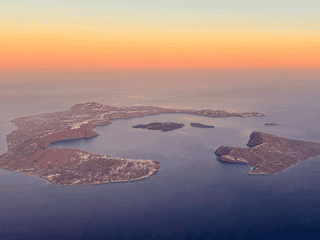

Santorini
Eastern Europe and the Balkans · Greece
Did you know?
- Assyrtiko grapes grow in volcanic soil.
- A caldera trail links Fira and Oia through villages.
- Akrotiri preserves a Bronze Age settlement.
See also
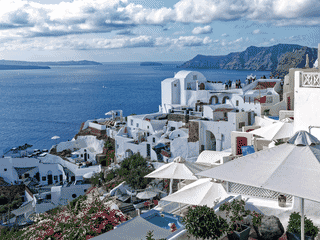

Oia
Greece36.47°N 25.37°E
Overview
Santorini combines whitewashed clifftop villages with ancient sites and volcanic-soil wines. Black beaches at Kamari and Perissa offer a different setting from Fira and Oia.
Languages: Greek
Why Go to Santorini
Santorini is a volcanic archipelago in the southern Cyclades, famous for its dramatic caldera landscape formed by one of the largest eruptions in human history around 1600 BCE. The island features iconic whitewashed clifftop villages like Fira and Oia, stunning sunsets, ancient ruins at Akrotiri and Thera, unique wines from volcanic soil, and strikingly colorful pebble beaches including black sand at Kamari and Perissa. The local legend connecting Santorini to the Lost City of Atlantis adds mystique to its already compelling mix of natural beauty, history, and culture.
Adapted from Wikivoyage contributors · CC BY-SA 4.0
Getting In
The main options are ferries from Piraeus (standard ferryboats and high-speed catamarans) and flights from Athens. Getting in from Athens by air is faster and avoids possible sea sickness, but in season air tickets sell out well before most ferries. The island has a small airport (Santorini Thira National Airport) north of Monolithos, where passengers can drop off luggage only two hours before flights. The port of Athinios serves ferries, and the old port of Fira is used for smaller vessels.
Adapted from Wikivoyage contributors · CC BY-SA 4.0
Getting Around
Santorini's steep caldera terrain means many stairs and limited flat paths. The famous Fira-Oia hiking trail offers spectacular views through villages. Bus services connect major towns, with the Fira Bus Station serving as the hub. Taxis and rental vehicles are available, though driving involves narrow roads and steep inclines. The inner caldera side (Fira, Oia, Imerovigli) has villages built on cliffs, while the outer side resembles typical Cycladic islands with beaches in Kamari and Perissa.
Adapted from Wikivoyage contributors · CC BY-SA 4.0
When to Go
The ideal times to visit Santorini are the shoulder seasons of April-June and September-October when temperatures are pleasant, rain is low, and crowds are manageable. April-May are perfect for hiking the Fira-Oia trail as wildflowers blossom across the barren landscape. From September, weather cools and becomes more attractive, though rain chances increase towards year-end. Summer (July-August) brings extreme heat with UV index 9-10, overcrowding from cruise ships, and businesses closing during midday hours (noon-15:00). December through March is off-season with cooler temperatures, occasional rain and winds, and many businesses shuttered until spring. Greek Orthodox Easter (April or May) marks the season start.
Adapted from Wikivoyage contributors · CC BY-SA 4.0
Where to Stay
Santorini divides into the inner caldera side (western edge with Fira and Oia) where luxury hotels offer caldera, volcano, and sunset views but require climbing many stairs, and the outer eastern side with beach hotels in Kamari that attract youngsters and families with larger rooms and pools at lower prices. Room rates are set according to view quality. Many caldera hotels orient towards couples and honeymooners, with some refusing children under 13 due to cliffside danger. Book accommodation well in advance as most hotels have no more than 20 rooms and fill quickly. Most hotels close during winter, reopening after Greek Orthodox Easter and closing by end of October. July, August, and September are considered high season.
Adapted from Wikivoyage contributors · CC BY-SA 4.0
Food and Drink
Santorini produces unique wines from Assyrtiko, Aidini, and Mandilaria grapes grown in volcanic soil, with vineyards scattered throughout the island and several wineries offering tastings. Local cuisine features fresh seafood, fava (yellow split pea puree), tomatokeftedes (tomato fritters), and local cheeses. Fira and Oia have numerous restaurants ranging from casual tavernas to fine dining, while smaller villages may have limited options. Supermarkets include Lidl near Mesaria and Sklavenitis in Fira, Mesaria, and Perissa. Mini markets (convenience stores) near town centers charge inflated prices, at least 25% higher than supermarkets. Many restaurants close during the hottest afternoon hours (noon-15:00) in summer.
Adapted from Wikivoyage contributors · CC BY-SA 4.0
Things to Do
Santorini offers diverse attractions: the ancient Bronze Age city of Akrotiri (often called the Minoan Pompeii), the ruins of Thera on Mesa Vouno mountain, the archaeological museum in Fira, the Museum of Prehistoric Thera, and wine museums at traditional wineries. The volcano islands of Nea Kameni and Palaia Kameni, accessible by boat from the old port of Fira, allow visitors to hike smoldering craters and bathe in volcanic hot springs. Beaches include the famous black sand beaches of Kamari and Perissa, the red beach at Akrotiri, and the white beach near Vlychada. Hiking opportunities include the famous Fira-Oia trail and walks through traditional villages like Pyrgos with its medieval castle.
Adapted from Wikivoyage contributors · CC BY-SA 4.0
Safety
Santorini is relatively crime-free with low pickpocket risk, though tourists may feel overcharged by some restaurants or bars—always check for posted prices. Rental scam agencies target tourists with faulty motorbikes and ATVs at low prices, then demand full damage costs after accidents; verify vehicle condition before signing contracts and understand that basic insurance is not comprehensive coverage. The cliffs and low walls pose danger to children, and elderly visitors may struggle with numerous steps. Cave exploring is popular but stay on paths due to unstable tufa rock prone to rockslides—do not linger under cliffs. The island is vulnerable to earthquakes; a major quake devastated the area in 1956, and in 2025 earthquake swarms closed attractions islandwide as a precaution. Know the assembly points set up in each settlement and obey official evacuation orders.
Adapted from Wikivoyage contributors · CC BY-SA 4.0
Connectivity
There are local radio stations in Santorini, mainly broadcasting in Greek: Volcano Radio at 106.4 MHz and Top Melody Fm Radio at 104.9 MHz. WiFi is widely available in hotels, restaurants, and cafes throughout tourist areas. Mobile coverage is good in populated areas but may be limited on hiking trails and remote beaches. Power plugs use standard European two-pin round sockets (Type F or C).
Adapted from Wikivoyage contributors · CC BY-SA 4.0
Budget Planning
Santorini is significantly more expensive than other Greek islands due to its popularity and limited space. Budget travelers should stay in hostels or guesthouses on the outer side (Kamari, Perissa) where prices are lower than caldera-view accommodations. Eating at supermarkets and mini markets costs 25-50% less than restaurants in tourist zones. Ferries from Piraeus range from budget ferries (5-10 hours, lower cost) to high-speed catamarans (4-5 hours, higher cost). Summer high season (July-September) sees peak prices; shoulder seasons and winter offer substantial savings. Daily budget for budget travelers: €50-80 per day including accommodation in shared rooms, simple meals, and local transport.
Adapted from Wikivoyage contributors · CC BY-SA 4.0
Day Trips
The volcanic islets of Nea Kameni and Palaia Kameni are the most popular day trip, offering hiking to the crater and swimming in volcanic hot springs reachable from the old port of Fira by boat. Thirassia, the uninhabited island opposite Oia, can be visited as a half-day trip. The traditional village of Pyrgos with its medieval kastro (castle) offers panoramic island views and traditional architecture. Wine tours to the island's numerous wineries provide tasting opportunities of Assyrtiko, Aidini, and Mandilaria wines.
Adapted from Wikivoyage contributors · CC BY-SA 4.0
Etiquette
Santorini follows Greek island customs: dress modestly when visiting churches and monasteries (cover shoulders and knees). Tipping is appreciated but not mandatory, usually 5-10% at restaurants. Greeks are generally welcoming to tourists; greeting with a friendly Kalimera (good morning) goes a long way. Business hours may be flexible, especially outside peak season. During religious festivals and Greek Orthodox holidays, some businesses may close for the day.
Adapted from Wikivoyage contributors · CC BY-SA 4.0
Go Next
Ferries from Santorini connect to numerous Cyclades islands including Anafi, Folegandros, Ios, Milos, Mykonos, Naxos, Paros, and Syros. Services also reach Crete (Heraklion, Sitia), the Dodecanese (Karpathos, Kasos, Kos, Rhodes), and the mainland (Piraeus, Rafina). Popular connections include the 2-5 hour ferry to Heraklion (Crete) and various island-hopping routes through the central Aegean.
Adapted from Wikivoyage contributors · CC BY-SA 4.0
Field guide adapted from Wikivoyage contributors · CC BY-SA 4.0. Text has been adapted and organized for this guide. About our sources.
Places to know
A few starting points from the guide. Check current hours and prices before you go.
- see
Akrotiri Archaeological Site
Ancient Bronze Age city buried by volcanic eruption, often called the Minoan Pompeii, with well-preserved buildings and frescoes.
Adapted from Wikivoyage contributors
- see
Ancient Thera
Hellenistic and Roman ruins on Mesa Vouno mountain including temples, gymnasium, and theater with views over the island.
Adapted from Wikivoyage contributors
- see
Black Sand Beach (Kamari)
Popular black volcanic sand beach with beach bars, restaurants, and watersports along the eastern coast.
Adapted from Wikivoyage contributors
- see
Black Sand Beach (Perissa)
Long black sand beach on the southeastern coast, popular with younger travelers and families.
Adapted from Wikivoyage contributors
- see
Museum of Prehistoric Thera
Exhibits artifacts from the Neolithic period through the late Bronze Age, including the famous frescoes from Akrotiri.
Adapted from Wikivoyage contributors
- see
Red Beach
Striking red volcanic sand beach near Akrotiri, one of Santorini's most photographed spots.
Adapted from Wikivoyage contributors
- do
Fira to Oia Hiking Trail
Famous 10.5 km trail across the caldera ridge passing through Imerovigli, offering stunning views and sunset opportunities.
Adapted from Wikivoyage contributors
- buy
Lidl (Mesaria)
German discount supermarket chain offering budget-friendly groceries.
Adapted from Wikivoyage contributors
Before you go
Accommodation
Most hotels have under 20 rooms and fill quickly—book well in advance. Caldera-side hotels have stunning views but many stairs; eastern side (Kamari) offers cheaper beach hotels.
Connectivity
Volcano Radio 106.4 MHz and Top Melody Fm Radio 104.9 MHz. WiFi widely available in tourist areas. European power plugs (Type C/F).
Food
Lidl near Mesaria and Sklavenitis in Fira, Mesaria, and Perissa offer best value. Mini markets charge 25%+ more. Many restaurants close noon-15:00 in summer.
Health
No hospital on Santorini; clinic in Fira at +30 228 602-2237 handles most needs. Serious cases airlifted to Athens. Snakes and scorpions are harmless. Extreme UV requires sunscreen.
Money
Euro (EUR) is the currency. Credit cards accepted at most hotels, restaurants, and shops in tourist areas. ATMs available in Fira, Oia, Kamari, and other major villages.
Safety
Beware of motorbike/ATV rental scams—verify vehicle condition and understand insurance limits. Cliffs and stairs pose hazards, especially for children and elderly. Earthquake risk exists; know assembly points.
Transport
Fira Bus Station is the main hub for KTEL bus services. Ferries arrive at port of Athinios; the old port of Fira serves smaller vessels. The airport is north of Monolithos.
Visa
Greece is part of the Schengen Area. EU citizens enter freely; many other nationalities receive 90-day visa-free stays within 180-day periods.
Weather
UV index is 9-10 year-round (extreme), requiring SPF 50 sunscreen even under T-shirts. Avoid sun during 12:00-15:00. Shoulder seasons April-June and September-October offer mild weather and fewer crowds.