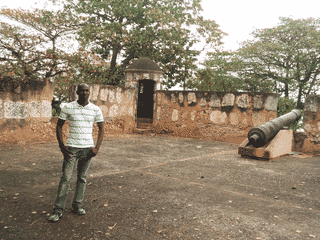

Santo Domingo
Mexico, Central America and the Caribbean · Dominican Republic
Did you know?
- Mofongo is made from mashed plantains.
- The Alcázar de Colón forms part of the UNESCO-listed colonial district.
- Los Tres Ojos contains underground lakes in caves.
See also
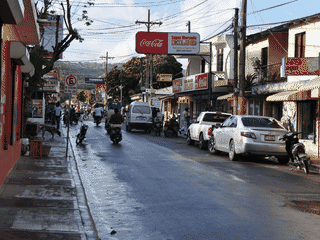

Las Terrenas
Dominican Republic19.32°N 69.53°W · 17 m
Overview
Santo Domingo's Zona Colonial brings together historic churches, fortifications and former colonial residences. The UNESCO-listed district is a focus for exploring the city's architecture.
Languages: Spanish
Why Go?
Santo Domingo is the oldest continuously inhabited European settlement in the Americas, founded in 1496 by Bartholomew Columbus. The UNESCO-listed Zona Colonial preserves 15th- and 16th-century architecture including the Ozama Fortress, Alcázar de Colón, and the first cathedral of the Americas. Unlike resort destinations such as Punta Cana, Santo Domingo offers an authentic Dominican experience with vibrant street life, local cuisine, and significantly fewer tourists.
Adapted from Wikivoyage contributors · CC BY-SA 4.0
Getting In
Las Américas International Airport (SDQ) is the main gateway, located approximately 30 minutes from the city center, serving all major American car rental firms. La Isabela International Airport handles domestic and regional flights. Currency exchange is available at major banks (Banco de Reservas, Scotiabank, Banco Leon, Banco Popular Dominicano) and Agente de Cambio offices upon arrival.
Adapted from Wikivoyage contributors · CC BY-SA 4.0
Getting Around
The city is divided by the Ozama River: the western side (Zona Colonial, Gazcue) is more developed, while Santo Domingo Este lags behind. Typical taxi fares within the city rarely exceed RD$200. The Malecón waterfront and Avenida Independencia offer tree-lined streets with shops and affordable restaurants. Metro service connects key areas including the business district.
Adapted from Wikivoyage contributors · CC BY-SA 4.0
When to Go
Santo Domingo enjoys tropical climate year-round, with temperatures averaging 23°C in the morning to 31.7°C in the afternoon. January and February are the coldest months; August is the hottest. Hurricane season runs June 1 to November 30, with advance warnings typically provided. The city is visitable in any season due to consistent tropical weather.
Adapted from Wikivoyage contributors · CC BY-SA 4.0
Where to Stay
The Zona Colonial offers the most atmospheric accommodation in restored colonial buildings, with options like Island Life Hostel (from RD$1580) and El Beaterio Guest House (from RD$3452). Upscale neighborhoods Naco and Piantini cater to business travelers with hotels like Hotel W&P and InterContinental Real. Budget travelers should book ahead, as hostel options in the Colonial Zone are limited.
Adapted from Wikivoyage contributors · CC BY-SA 4.0
Food and Drink
Dominican cuisine features mofongo (mashed plantains), typically served at restaurants like Adrian Tropical. Mid-range dinners with entrée, main course, drinks, and dessert range from US$15-75 per person. Note that menu prices exclude the 10% service charge and 16% ITBIS sales tax, making actual costs 26% higher than indicated. International chains (McDonald's, Pizza Hut, TGI Fridays) are available in tourist areas.
Adapted from Wikivoyage contributors · CC BY-SA 4.0
Things to Do
The Colonial Zone is the main attraction: visit Ozama Fortress (RD$200 entrance, RD$200 for guide), Alcázar de Colón (closed for renovations as of March 2025), and the Cathedral of Santa María la Menor (first cathedral of the Americas, 1514-1540). Plaza de la Cultura houses the Museo de Arte Moderno (RD$50 adults) and other museums. Parks include Parque Mirador Sur with bike rentals and the Botanical Garden (RD$220 adults).
Adapted from Wikivoyage contributors · CC BY-SA 4.0
Safety
Poverty is prevalent; avoid flashing jewelry, expensive cameras, or large watches in poorer areas. Bags can be snatched by kids on mopeds—keep bags away from the street. Caucasian and Asian travelers may be approached by people seeking money; do not engage. Robbers on motorcycles target pedestrians standing too close to the street. Use bottled water only (tap water is not potable). Contact emergency services at 911. The Tourist Police (Policía Turística) assist visitors.
Adapted from Wikivoyage contributors · CC BY-SA 4.0
Connectivity
Major mobile providers include Claro and Altice with 4G coverage in urban areas. SIM cards are readily available for purchase. WiFi is common in hotels, restaurants, and shopping malls. Power outlets use US/Japan Type A/B plugs (two flat prongs). The national police central line is +1 809-682-2151.
Adapted from Wikivoyage contributors · CC BY-SA 4.0
Budget
Budget travelers can find hostel dorms from RD$1580. Street food and local restaurants offer meals from RD$200-500. Museum entrances range from RD$5-300. Taxi rides within the city typically under RD$200. Daily budget of RD$1500-3000 covers accommodation, food, transport, and attractions. Exchange rate for USD is approximately 1:57 (RD$) as set by Banco Central.
Adapted from Wikivoyage contributors · CC BY-SA 4.0
Day Trips
Playa Boca Chica and Playa San Andrés are 38 km east of the city, offering the premier beach destination with party atmosphere. Los Tres Ojos (Three Eyes) caves with underground lakes are in Santo Domingo Este, near the National Aquarium. The Columbus Lighthouse (Faro a Colón) houses the explorer's remains and is open Tu-Sa 09:00-17:00, Su 09:00-16:00.
Adapted from Wikivoyage contributors · CC BY-SA 4.0
Etiquette
Dominican culture values personal relationships; expect warm greetings and conversation. Dress modestly when visiting churches and religious sites. Tipping 10% is mandatory at restaurants; inquire if unsure. Bargaining is expected at markets but not at formal stores. Photography of military installations or government buildings may be restricted.
Adapted from Wikivoyage contributors · CC BY-SA 4.0
Go Next
From Santo Domingo, travelers can continue to other Dominican destinations: Punta Cana (beach resorts), La Romana (sugar plantations), Santiago ( Cibao Valley), and the Haitian border region. Domestic flights connect to Puerto Plata on the north coast. The city serves as the main transit hub for the country with multiple bus services to provincial destinations.
Adapted from Wikivoyage contributors · CC BY-SA 4.0
Field guide adapted from Wikivoyage contributors · CC BY-SA 4.0. Text has been adapted and organized for this guide. About our sources.
Places to know
A few starting points from the guide. Check current hours and prices before you go.
- eat
Adrian Tropical Food
A unique, quality and "affordable" dining experience. There are three restaurants in the city, the coolest one is literally built on the water in the Malecon. Best known for its "Mofongo" dish. This plate is made out of mashed plantains.
Adapted from Wikivoyage contributors
- eat
Hard Rock Cafe
Adapted from Wikivoyage contributors
- eat
Outback Steak House
Adapted from Wikivoyage contributors
- eat
TGI Fridays
Adapted from Wikivoyage contributors
- eat
Tony Roma's
Adapted from Wikivoyage contributors
- see
Alcázar de Colón
Visit this stunning villa, built in 1510 and retaining period furnishings and other items owned by Governor Diego Colón, first-born son of Christopher Columbus. As of March 2025, it's undergoing renovations.
Adapted from Wikivoyage contributors
- see
Basilica Cathedral of Santa María la Menor
An important landmark because it is the first cathedral of the Americas. Construction began in 1514, and was finished in 1540.
Adapted from Wikivoyage contributors
- see
Colonial Zone
Santo Domingo was the first major European settlement in the New World. Christopher Columbus walked these streets. Check out the many examples of 15th and 16th century architecture in the Colonial Zone. Don't miss the Ozama Fort (built within Columbus's lifetime), the Alcazar de Colon, and the Cathedral, all dating to the early 1500s. You can also check beautiful churches and convents, such as the Iglesia Regina Angelorum and the Convento de los Dominicos. Don't miss the Panteon Nacional, where the national heroes are buried, in the Calle Las Damas, the New World's first (European) street. Also, walk up the Calle del Conde, a very old pedestrian shop-lined street that used to be the commercial heart of the city. This street leads to the Puerta del Conde, where the Dominican Republic proclaimed its independence from Haiti, and the Parque Independencia, where the country's founding fathers' remains are kept at the Altar de la Patria. On Sunday evenings, check out the Ruinas de San Francisco for live bands playing Merengue, Bachata, Salsa and Son, in a wonderful weekly show where both locals and tourists dance, drink and enjoy themselves. This would be an unforgettable experience. Also check out La Atarazana street after dark for a variety of romantic outdoor cafes with a spectacular view of the Alcazar and bay area. One such brasserie, Pat E Palo, has operated uninterrupted since 1505. Check out the house where Ponce DeLeon lived before he set out upon his quest for the fountain of youth and ended up discovering Florida.
Adapted from Wikivoyage contributors
Before you go
Connectivity
SIM cards from Claro or Altice available for unsecured phones. WiFi common in hotels and malls. US-type power plugs (two flat prongs).
Culture
Dominican culture blends Spanish, African, and Taíno influences. Merengue and Bachata are national music styles. Spanish is the primary language.
Food
Mofongo, sancocho, and tostones are local staples. Restaurant prices exclude 10% tip and 16% tax—actual cost is 26% higher than menu prices.
Health
Tap water not potable—drink bottled water only. Ice in drinks is generally safe. Medical facilities available in the city center.
Money
Official currency is Dominican peso (DOP). Banks and Cambio offices exchange USD/EUR. Credit cards accepted at major establishments but carry cash for markets and small vendors.
Safety
Avoid displaying valuables in public. Use registered taxis or ride-hailing apps. Tourist Police available at major attractions. Emergency: dial 911.
Transport
Taxis within city rarely exceed RD$200. Metro offers affordable transit between key districts. Car rental available at Las Américas Airport.
Weather
Tropical climate year-round (23-32°C). Hurricane season June-November. January-February are coolest months.