Overview
Puerto Madryn is a compact coastal base for the wildlife reserves of Península Valdés. Seasonal southern right whale watching is a major reason to visit its shores.
Wildlife · Nature · Beach · Food
Did you know?
- Welsh settlers left their mark on the port's name and history.
- Sea-lion snorkeling is an activity associated with the waters near the port.
- Southern right whales use Golfo Nuevo for breeding and calving.
Where it is
Why Go?
Puerto Madryn is a compact Patagonian coastal city that serves as the main hub for Peninsula Valdes wildlife reserves. Its main draw is simple Southern Right Whale watching—these massive creatures cruise within 100 meters of shore at Playa Las Canteras from June through October. The city offers a rare combination of marine wildlife encounters, Welsh Patagonian heritage, and Atlantic beach culture without the crowds of more famous Argentine destinations.
Understand
Puerto Madryn sits on Gulfo Nuevo, a deep-water bay of the Atlantic Ocean. The city grew rapidly in the early 21st century driven by tourism, fishing, and the Aluar aluminum refinery. Its unusual Welsh-derived name reflects its history as part of Welsh Patagonia, colonized by settlers from Wales in the mid-1800s. The population is about 100,000, and the city is the gateway to Peninsula Valdes.
Getting In
Puerto Madryn does not have its own airport; the nearest major airport is in Trelew. The city is connected to Trelew and other Patagonian destinations by bus. Regular bus services run between Puerto Madryn and Trelew, with connections to Trelew Airport (ENE) for flights to Buenos Aires. Long-distance buses connect Puerto Madryn to other major Patagonian cities including Puerto Iguazu and Bariloche.
Getting Around
Puerto Madryn has a city bus system for local transportation. Taxis are numerous and readily available throughout the city. Rental cars are available for those wanting to explore beyond the city, including the route to Peninsula Valdes. For whale watching at Playa Las Canteras, bicycle rental is possible—mountain bikes cost approximately US$15-20 per day as of June 2025, with e-bikes available at higher prices.
When To Go
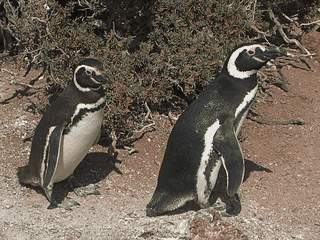
The peak season is summer (December to March) when penguins inhabit Punta Tombo (October to March) and the weather is warmest, though wind remains constant. Whale watching season runs from June through October, with Southern Right Whales using Gulfo Nuevo for breeding and giving birth. January is the busiest month, when sea lions are giving birth and all three main marine species can sometimes be seen together. Winter and spring offer the best whale watching.
Where To Stay
Puerto Madryn has a range of accommodation options centered around the waterfront area. Budget travelers can choose from several hostels including La Tosca Hostel (family-run with mixed dorms), El Gualicho (popular backpacker hostel with hotel-like amenities), and Hostel Viajeros (good location, double rooms from AR$300-400). Mid-range options include La Posada Hotel with swimming pool and parking, and Hostel El Retorno near the center with bus station pickup available.
Food and Drink
Puerto Madryn excels in seafood restaurants along the seafront. Cantina El Nautico (Av Roca 790) offers meals for two with wine around AR$120. Club Náutico serves seafood with views of the bay. Náutico Bistró de Mar provides outdoor patio seating overlooking the ocean. Malón Resto (Ave Roca 508) offers Italian-seafood fusion in a romantic atmosphere, though at higher prices. Local beer can be sampled at Fika Cerveceria, which offers various craft beer options.
Things To Do
Whale watching is the standout activity—Playa Las Canteras north of town offers free shore-based viewing within 100 meters of Southern Right Whales from June to October, best seen within an hour or two of high tide. Snorkeling with sea lions (lobos marinos) near the port costs around AR$1400 for a 2-hour tour including wetsuit. Other activities include kiteboarding, windsurfing, diving in Gulfo Nuevo (cold water but excellent clarity), horse riding, and ocean fishing. Boat trips to spot Commerson's dolphins run June through March.
Safety
Puerto Madryn is generally a safe city for travelers. The main concerns are the strong Patagonian winds, which can be hazardous near cliff edges during whale watching, and the cold Atlantic water, which requires proper wetsuits for swimming or diving. The area around Punta Tombo and Peninsula Valdes involves long drives on gravel roads; rental cars should be used with caution on unpaved surfaces.
Connectivity
Mobile coverage in Puerto Madryn is provided by Argentine carriers. WiFi is available in most hostels and hotels. Power outlets in Argentina use Type I plugs (three flat blades in a V-shape), operating at 220V/50Hz. Travelers from countries using 110V devices will need voltage converters.
Budget
Puerto Madryn is moderately priced for Argentina. Budget travelers can expect to spend approximately AR$3,000-5,000 per day including dorm accommodation (around AR$800-1,500), basic meals (AR$500-1,200), and local transport. Major tour costs include Peninsula Valdes (US$80 plus entrance fee), whale watching by boat (US$83), Punta Tombo (approximately AR$2,200), and snorkeling with sea lions (approximately AR$1,400).
Day Trips
Peninsula Valdes is the primary day trip destination, offering wildlife including whales, sea lions, and penguins depending on season. Punta Tombo, 200 km south (3 hours), features a major penguin colony from October to March. Puerto Pirámides on Peninsula Valdes offers boat tours and is the only major town on the peninsula. Islote Lobos National Park, about an hour north, protects colonies of sea lions and penguins. Pinguinera Cabo Dos Bahias near the peninsula offers free penguin viewing as an alternative to Punta Tombo.
Go Next
Trelew, a British-founded town to the south, can be visited en route to Punta Tombo—ask tour operators to drop you in the center. From Trelew, continue south through Rio Gallegos toward Ushuaia or El Calafate (for Glaciar Perito Moreno). Alternatively, travel west to the Andes through Bariloche or cross into Chile. Peninsula Valdes itself offers wildlife experiences with sea lions and orcas.
Guide text adapted from Wikivoyage contributors under CC BY-SA 4.0.
Where to start
Sleep
El Gualicho
Very popular and comfortable backpackers hostel. Offers very nice rooms and excellent travel information. More like a hotel than a hostel. Not very cosy or familial.
Sleep
Hostel El Retorno
Comfortable friendly hostel with some private rooms and many beds in dorms. They offer pick-up at the bus station. You can call ahead to reserve.
Sleep
Hostel Viajeros
Good location and very friendly staff.
Price when recorded: Double room was AR$300-400 in December 2014
Sleep
La Posada Hotel
Hotel with a big park, swimming pool, parking and big rooms.
Sleep
La Tosca Hostel
Family-run hostel with a couple of double rooms and a mixed dorm.
Eat
Cantina El Nautico
Price when recorded: AR$120 for meal for two with wine
Eat
Club Náutico
Eat
Malón Resto
Italian seafood meals, offering gourmet dishes combined with a romantic atmosphere overlooking the sea. Here the prices are very high.
Before you go
Money
Argentine pesos (AR$) are the local currency. Credit cards are accepted at hotels and larger restaurants but smaller establishments may be cash-only. ATMs are available in the city center.
Safety
The city is generally safe. Main hazards are strong winds near cliffs and cold Atlantic water requiring wetsuits for swimming activities.
Transport
City buses and taxis serve Puerto Madryn. The closest airport is in Trelew (30 km). Rental cars are recommended for exploring Peninsula Valdes and Punta Tombo independently.
Weather
Patagonian climate is windy year-round. Summers (December-March) are mild (15-25°C) but windy. Winters are cold with strong gusts. Whale watching season (June-October) is winter—dress warmly.