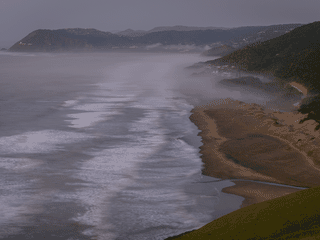

Port St Johns
Africa · South Africa
See also
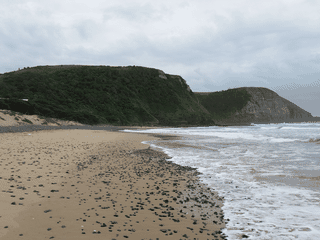

Coffee Bay
South Africa31.97°S 29.15°E
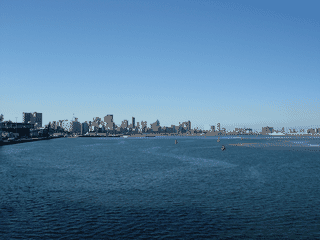

Durban
South Africa29.88°S 31.00°E · 22 m
East London
South Africa33.00°S 27.90°E · 48 m
Overview
Port St Johns sits on the Wild Coast where the Umzimvubu River meets the Indian Ocean, offering dramatic cliffs, unspoiled beaches, and pounding surf. The town draws backpackers seeking raw African coastal wilderness—the Wild Coast Hiking Trail ranks among southern Africa's most spectacular coastal routes.
Languages: Afrikaans, English, Southern Ndebele, Northern Sotho, Southern Sotho, Swazi, Tswana, Tsonga, Venda, Xhosa, Zulu
Why Go
Port St Johns sits on the Wild Coast where the Umzimvubu River meets the Indian Ocean, offering dramatic cliffs, unspoiled beaches, and pounding surf. The town draws backpackers seeking raw African coastal wilderness—the Wild Coast Hiking Trail ranks among southern Africa's most spectacular coastal routes. Unlike busier South African beach destinations, Port St Johns maintains a small-town feel with friendly locals, affordable accommodation, and zero pretension.
Adapted from Wikivoyage contributors · CC BY-SA 4.0
Getting In
Port St Johns is accessed via the R61 road from Mthatha (approximately 90 km) or from Durban via the N2 and R61 (around 300 km). The nearest major airport is in Durban (King Shaka International). Public transport options are limited; most travelers arrive by rental car or arranged transfer. The town is not directly served by train or bus routes, making self-drive the most practical option for independent travelers.
Adapted from Wikivoyage contributors · CC BY-SA 4.0
Getting Around
The town center is walkable, with most amenities clustered around Main Street and First Beach. A vehicle is essential for reaching attractions like Magwa Falls, Agate Terrace, and Mpantu—the roads improve past the bridge crossing but include gravel sections. The ferry on the Umzimvubu River provides access to Mpantu and Sulphur Springs on the opposite bank. Hiking trails connect Second Beach, Silaka Nature Reserve, and the lighthouse.
Adapted from Wikivoyage contributors · CC BY-SA 4.0
When to Go
The peak season runs from November to March, coinciding with South African summer—expect warm weather (25-30°C), school holidays, and higher accommodation prices. The Wild Coast Hiking Trail operates year-round but is most popular in these months. Winter months (May-August) offer quieter conditions and lower prices, though some facilities may have reduced hours. Sea fishing is best during the summer months, while surfing conditions remain favorable year-round.
Adapted from Wikivoyage contributors · CC BY-SA 4.0
Where to Stay
Accommodation spans budget camping (R110-150 per person at The Kraal) to mid-range guesthouses (R325-600 per person). The main beach areas—First Beach and Second Beach—offer the most options including Jungle Monkey Backpackers (R250 per room) and Umzimvubu Retreat (R350pps). For beach access away from town, try Agate Terrace accommodations like Keyser's Cottage (R200-250pps) or Kingfisher Cottage (R200-300). The Kraal Eco Backpackers Lodge, 20 km out of town, provides an eco-sustainable rural experience in Tswelleni village.
Adapted from Wikivoyage contributors · CC BY-SA 4.0
Food and Drink
Restaurants concentrate around First and Second Beach. Jungle Monkey (First Beach) serves pizza and has a bar; Delicious Monster (Second Beach) claims the best view in town. Cremorne Estate offers à la carte dining with praised breakfasts. Umzimvubu Retreat serves excellent food and cakes. Wood'n'Spoon at Second Beach specializes in cheese fondue and hamburgers. The News Cafe on Main Street provides reliable bar food. Most eateries are casual and backpacker-friendly, with mains typically under R100.
Adapted from Wikivoyage contributors · CC BY-SA 4.0
Things to Do
The Wild Coast Hiking Trail offers multi-day coastal wilderness backpacking—the premier activity in the area. Surfing is popular at Second Beach and Agate Terrace with lifeguards on duty; boardsailing also available. Diving reveals unspoiled underwater beauty along the Wild Coast. Day activities include canoeing on the Umzimvubu River to Mpantu and Sulphur Springs, exploring Silaka Nature Reserve, and driving to Magwa Falls. Sea fishing with local guides is a must-try experience. Horse riding and golf provide alternative options.
Adapted from Wikivoyage contributors · CC BY-SA 4.0
Safety
Port St Johns is generally safe for travelers but standard urban precautions apply. Avoid walking alone on isolated beaches at night. The surf can be dangerous—swim only at patrolled beaches where lifeguards are on duty (Second Beach, Agate Terrace). Local roads can be rough; drive carefully, especially on gravel sections. Petty theft from vehicles occurs; don't leave valuables visible. HIV/AIDS rates are high in South Africa—take appropriate precautions.
Adapted from Wikivoyage contributors · CC BY-SA 4.0
Connectivity
Mobile coverage (Vodacom, MTN) is available in town but may be limited in remote areas. WiFi is typically found at backpacker hostels and some guesthouses but is not ubiquitous. SIM cards are available in town if needed. Power outlets use South African Type M plug (large three-pin), same as most of southern Africa.
Adapted from Wikivoyage contributors · CC BY-SA 4.0
Budget
Port St Johns qualifies as a budget destination within South Africa. Budget travelers can manage on R400-600 per day including camping (R110-150pps), self-catering basics, and local activities. Mid-range travelers spending R800-1200 per day get private rooms and restaurant meals. Key expenses: camping R110-250pps, dorm beds R160pps, budget rooms R200-350pps, restaurant meals R60-120,Wild Coast Hiking Trail multi-day packages R2000-3500.
Adapted from Wikivoyage contributors · CC BY-SA 4.0
Day Trips
Magwa Falls lies a drive from town and offers impressive waterfalls in the Wild Coast hinterland. Silaka Nature Reserve adjacent to Second Beach provides walking trails through coastal forest. The Umzimvubu River estuary is ideal for canoeing trips to Mpantu. Agate Terrace beach north of town offers long unspoiled sands. Mbotyi River Lodge (from R645pps) provides an overnight option for those wanting to explore further up the Wild Coast.
Adapted from Wikivoyage contributors · CC BY-SA 4.0
Go Next
Port St Johns is part of the Wild Coast region—continue east toward Mbotyi River Lodge and the北部 Wild Coast beaches. Mthatha (Umtata) provides the nearest major town with better transport connections and amenities. The R61 road south connects toward Port Edward and the southern Wild Coast. Durban lies 300 km south via the N2, offering international flights and more urban attractions.
Adapted from Wikivoyage contributors · CC BY-SA 4.0
Field guide adapted from Wikivoyage contributors · CC BY-SA 4.0. Text has been adapted and organized for this guide. About our sources.
Places to know
A few starting points from the guide. Check current hours and prices before you go.
- sleep
Amapondo Backers
Recorded price: Doubles R250
Adapted from Wikivoyage contributors
- sleep
Cremorne Estate
Recorded price: R600pps
Adapted from Wikivoyage contributors
- sleep
Glass House
Recorded price: From R225pps
Adapted from Wikivoyage contributors
- sleep
Jetty River Lodge
2 bed and breakfast rooms, 5 self-catering, 1 wheelchair-accessible room. Set in a beautiful tranquil garden on the mighty Umzivubu River. Camping and caravans welcome
Recorded price: From R150pps
Adapted from Wikivoyage contributors
- sleep
Jungle Monkey Backpackers
Recorded price: R250 per room
Adapted from Wikivoyage contributors
- sleep
Keyser's Cottage
Poenskop Road, Agate Terrace (Cross bridge and travel 7.5km from the turn-off onto gravel road, past Cremorne, Ferry Point and carry on until you see a board indicating Keyser's Cottage). R200 - R250 per person per night depending on season.
Adapted from Wikivoyage contributors
- sleep
Kingfisher Cottage
2 beautiful self contained cottages each sleeping 6/8 people set in a tropical garden and only metres to the beautiful unspoilt Long beach
Recorded price: R200-R300
Adapted from Wikivoyage contributors
- sleep
Mbotyi River Lodge
Recorded price: From R645pps
Adapted from Wikivoyage contributors
Before you go
Culture
Port St Johns has a distinctly African small-town character with friendly locals. The area is traditionally Pondo (Xhosa-speaking) territory. Respectful interaction with local communities, especially in rural areas like Tswelleni village near The Kraal, is expected.
Money
South African Rand (ZAR) is the currency. ATMs available in town near Main Street. Most accommodations and restaurants accept cash only; credit card acceptance is limited outside upscale establishments.
Safety
Swim only at patrolled beaches with lifeguards. The ocean has strong currents—exercise caution. Standard urban theft precautions apply. Lock vehicles and don't leave valuables visible.
Transport
Self-drive is the most practical way to reach Port St Johns and explore the area. Vehicle rental from Durban or Mthatha. Local roads include gravel sections requiring careful driving. The bridge crossing to the town center is a key landmark.
Weather
Summer (Nov-Mar) brings warm temperatures (25-30°C), occasional rain, and busy periods. Winter is quieter with mild temperatures. The Wild Coast can be windy; bring layers for coastal hikes.