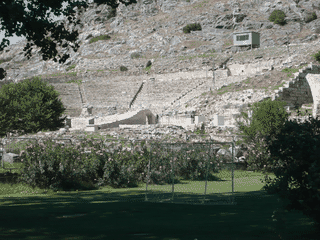

Philippi
Eastern Europe and the Balkans · Greece
Did you know?
- UNESCO listed the archaeological site in 2016.
- The old Via Egnatia runs between upper and lower excavated areas.
- Summer drama and music performances use the ancient theatre.
See also
.jpg)
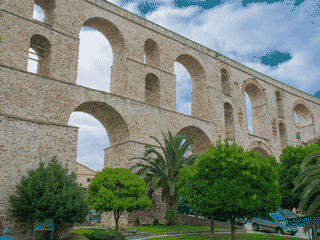
Kavala
Greece40.93°N 24.40°E · 15 m
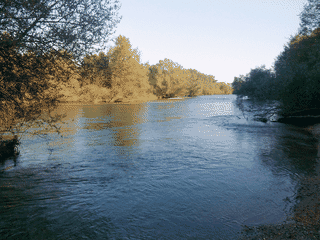

Nestos
Greece40.98°N 24.70°E
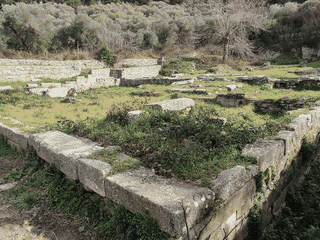

Thasos
Greece40.68°N 24.65°E · 1,205 m

Xanthi
Greece41.13°N 24.88°E · 83 m
Overview
At Philippi, the old Via Egnatia divides the excavated ruins into upper and lower areas. The theatre, temples and basilicas sit above it, with the Roman forum and residential remains below.
Languages: Greek
Why go?
Philippi is a UNESCO World Heritage Site since 2016, offering remarkably preserved Roman and Byzantine ruins including an ancient theatre, Forum Romanum, and multiple basilicas. The site holds special significance as the place where Apostle Paul performed the first baptism on European soil at the Baptistery of Lydia. Unlike crowded Greek tourist sites, Philippi provides a contemplative atmosphere with fewer visitors, making it ideal for history enthusiasts and those interested in early Christian heritage.
Adapted from Wikivoyage contributors · CC BY-SA 4.0
Get in
Philippi is reached via Kavala (15 km) or Drama (25 km). Buses run on regular schedules from the bus stations in both cities to the archaeological site. Most visitors base themselves in Kavala and make a day trip, though Drama is closer. Private car rental offers flexibility for visiting surrounding villages and the mud baths at Lasponera.
Adapted from Wikivoyage contributors · CC BY-SA 4.0
Get around
All archaeological attractions at Philippi are within walking distance. A large parking lot at the site entrance serves visitors arriving by car or bus. The excavated area is divided by the old Via Egnatia into an upper part (theatre, ancient temples, basilicas) and a lower part (Forum Romanum, Agora, residential buildings). Comfortable walking shoes are essential given the uneven terrain.
Adapted from Wikivoyage contributors · CC BY-SA 4.0
When to go
Summer brings theatre performances and musical events in the ancient theatre, though midday visits can be uncomfortably hot with little shade on the excavation site. The mud baths at Lasponera operate only from June to October. Spring and autumn offer milder temperatures ideal for exploring. Winter visits are possible but some facilities may have reduced hours.
Adapted from Wikivoyage contributors · CC BY-SA 4.0
Where to stay
There are no accommodations directly at the archaeological site. The nearest hotels are in the village of Krinides (Philippeio Hotel, Jannis Hotel) or at Lydia (Hotel Lydia). For more options, visitors typically stay in Kavala (15 km away), which offers a wide range of hotels, hostels, and guesthouses to suit various budgets.
Adapted from Wikivoyage contributors · CC BY-SA 4.0
Food and drink
A restaurant next to the archaeological site parking area offers outdoor seating under trees in a small park, ideal for cooling off after visiting the ruins. Several restaurants are available in Krinides village within walking distance. About 10 km toward Drama, trout-specialized cafes and restaurants line a stream in a mountain foothill village, offering cool air even on hot summer evenings. A tourist restaurant near a small lake 2 km from Kato Kefalaria is also recommended.
Adapted from Wikivoyage contributors · CC BY-SA 4.0
Things to do
The ancient theatre hosts summer performances of ancient dramas and music events; bringing cushions is recommended as seating on stone rows becomes uncomfortable. The Lasponera mud baths (€6 entry) offer therapeutic mud treatments for joint and back pain, with separate pools for men and women, a doctor consultation, and massage services available from June to October. The Acropolis climb provides panoramic views of the site and surrounding countryside. Nearby Lydia features the Baptistery where Apostle Paul performed the first European baptism.
Adapted from Wikivoyage contributors · CC BY-SA 4.0
Safety
The main safety concern is sun exposure during summer visits, as there is very little shade on the excavation site. Visitors should bring headgear, sunscreen, and water. The terrain includes uneven surfaces and some steep paths, particularly the Acropolis ascent. The ancient cemetery area is partially fenced off but accessible through a hole in the wire mesh on the south side.
Adapted from Wikivoyage contributors · CC BY-SA 4.0
Go next
From Philippi, day trips can be made to Kavala (15 km) with its waterfront castle and modern city amenities, or Drama (25 km) for access to mountain regions. The Pangaion Hills offer hiking opportunities and are visible from the theatre. The Nestos river gorge and the Rhodope Mountains provide nature-based excursions. Krinides village (500m from parking) contains the extra-muros basilica ruins worth visiting.
Adapted from Wikivoyage contributors · CC BY-SA 4.0
Field guide adapted from Wikivoyage contributors · CC BY-SA 4.0. Text has been adapted and organized for this guide. About our sources.
Places to know
A few starting points from the guide. Check current hours and prices before you go.
- sleep
Hotel Lydia
Hotel directly at the Baptistery of Lydia
Adapted from Wikivoyage contributors
- sleep
Jannis Hotel
Right next to the nearby mud bath
Adapted from Wikivoyage contributors
- sleep
Philippeio Hotel
Good hotel and restaurant in Krinides
Adapted from Wikivoyage contributors
- see
Agora (Forum Romanum)
The Forum Romanum/Agora was the central place for political decisions, economic transactions, social interactions and religious ceremonies, making it the vibrant centre of public life. It was a complex of public buildings, arranged around a central open space. The most impressive buildings are the northeastern and the northwestern temples.
Adapted from Wikivoyage contributors
- see
Akropolis
The Acropolis, with its Late Byzantine tower, offers a wonderful view of Philippi and the surrounding countryside. This makes the somewhat arduous climb really worthwhile.
Adapted from Wikivoyage contributors
- see
Ancient battlefields of Philippi
In the double battle at Philippi, west of Philippi in October / November 42 BC the Roman triumvirates Marcus Antonius and Octavian (the later emperor Augustus) won about the followers of the republic, Marcus Iunius Brutus and Gaius Cassius Longinus, who had been among the leaders of the assassination attempt on Gaius Iulius Caesar. You can no longer see any of the battles in the fields. Only the 2 hills, each about 500 m from the mud bath, where part of the fortification of the army of Cassius are still visible today. On the larger, northern hill you can still see the remains of the fortifications and have a beautiful view of Philippi and the second hill and the former marshland. There is no path on the hill, so you have to go cross-country. The ascent is not exhausting and the view is worth the effort. In the immediate vicinity of the hills is the Lasponera mud bath, where you can park well and also find refreshment in the restaurant. It is a good starting point for visiting the northern hill. The southern hill has nothing to see and is not worth the climb.
Adapted from Wikivoyage contributors
- see
Ancient cemetery
The excavation site is a cemetery outside a basilica. The southern part of the basilica is cut off from the dirt road that runs through it and serves the neighboring fields. The graves in the church are impressive. They are underground, spacious with beautiful decoration, inscriptions, etc. They are in the shape of catacombs. There are also above-ground coffin-shaped tombs, vaulted roofs of the familiar type also found in the other northern cemetery basilica. Unfortunately, the area is not accessible, except through a hole in the wire mesh on the south side.
Adapted from Wikivoyage contributors
- see
Archaeological Museum
Although it offers not really impressive objects such as Athens museums, it is still worth the visit. A small shop in the museum offers replicas of antique objects
Adapted from Wikivoyage contributors
Before you go
Accommodation
No hotels at the site; nearest options in Krinides and Lydia villages. Most visitors stay in Kavala (15 km) with wider budget options.
Packing
Bring sunscreen, hat, water, and comfortable walking shoes. Cushions recommended for theatre performances.
Transport
Buses run regularly from Kavala (15 km) and Drama (25 km) to the archaeological site. Car rental provides flexibility for visiting surrounding villages and mud baths.
Weather
Hot summers with little shade on the excavation site. Bring sun protection. Mud baths at Lasponera only operate June-October.