
Ningbo
East Asia · China
Did you know?
- Ancient bone flutes and rice specimens appear among artifacts dating back 6,000–7,000 years.
- Shipu is described as one of the city's best local seafood restaurants.
- A private library dating to 1561 combines Ming architecture with a designed garden.
See also
.jpeg)
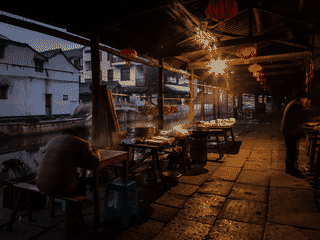
Shaoxing
China30.00°N 120.60°E
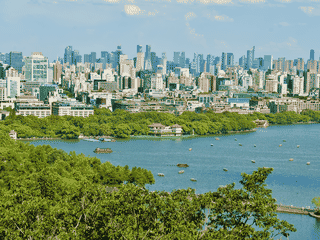

Hangzhou
China30.25°N 120.17°E · 19 m
Overview
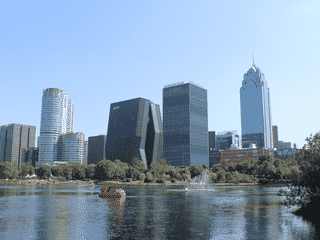
This prosperous port city pairs East China Sea access with maritime heritage, historic temples, waterway towns, and cultural museums. Its position near the Hangzhou Bay Bridge makes it a useful base for exploring Zhejiang.
Languages: Chinese
Why Go
Ningbo is a prosperous port city on the south edge of the Yangtze Delta with direct access to the East China Sea. The city combines maritime heritage with modern development, featuring historic temples, ancient waterway towns, and cultural museums. Its proximity to Shanghai via the Hangzhou Bay Bridge makes it an accessible destination for travelers exploring Zhejiang province.
Adapted from Wikivoyage contributors · CC BY-SA 4.0
Getting In
Ningbo Lishe International Airport offers flights to major Chinese cities and international destinations in East and Southeast Asia. The taxi fare from downtown is ¥45-60 for the 11 km journey. Metro service runs from 06:00 to 22:00, with a free shuttle bus connecting the terminal to the metro station every 8 minutes. High-speed S-trains connect Ningbo Railway Station to Yuyao in 160 km/h service.
Adapted from Wikivoyage contributors · CC BY-SA 4.0
Getting Around
Ningbo has an expanding metro system with five lines: Line 1 opened 2014 (29 stations), Line 2 in 2015 (27 stations), Line 3 in 2019 (15 stations), Line 4 in 2020 (25 stations), and Line 5 in 2021 (22 stations). Taxis start at ¥10 for the first 3 km plus ¥2 fuel tax. Local buses cost ¥1 (¥2 with air conditioning). Rental cars are available at the airport, and motorcycles can be rented outside downtown for reaching outer districts.
Adapted from Wikivoyage contributors · CC BY-SA 4.0
When To Go
Ningbo has a subtropical monsoon climate with high humidity and distinct seasons. July is the hottest month with average daily temperatures of 29°C, while January is the coldest at 4°C. Annual precipitation averages 1,300-1,400 mm. Summers are hot and humid—plan outdoor activities for early morning or evening.
Adapted from Wikivoyage contributors · CC BY-SA 4.0
Where To Stay
Accommodation ranges from budget hostels like Ningbo Lizhai International Youth Hotel (4-bed dorms ¥45, singles ¥80-120) to mid-range options like Ningbo Hotel (¥240) and Ningbo Home Inn. Luxury properties include Crowne Plaza City Center (¥500), Shangri-La, Marriott, and Pan Pacific. The city center near Moon Lake and Tianyi Square offers convenient access to major attractions.
Adapted from Wikivoyage contributors · CC BY-SA 4.0
Food And Drink
Ningbo offers diverse international dining including Brazilian BBQ at Picanha (¥228 for unlimited beer buffet), Indian cuisine at Ganesha (¥80), and Italian restaurants like Da Bossi and Mezzo's 2. Local seafood restaurant Shipu is considered one of the best in the city. Beer at cheaper restaurants tends to be weak, while upscale venues offer export-quality Tsingdao and international beers. Happy hour specials with buy-one-get-one deals are common.
Adapted from Wikivoyage contributors · CC BY-SA 4.0
Things To Do
Tianyi Pavilion, China's oldest private library built in 1561, showcases Ming Dynasty architecture and garden design. The Hemudu Site in Yuyao district displays 6,000-7,000-year-old artifacts including playable bone flutes and ancient rice specimens. Ayuwang Temple, established in 282, houses a bone fragment of Sakyamuni. Dongqian Lake is Zhejiang's largest natural lake with rental bikes, boats, and historic stone carvings. Shipu Harbor offers ancient town exploration and the China Fishing Festival.
Adapted from Wikivoyage contributors · CC BY-SA 4.0
Safety
General crime is low in Ningbo, though travelers should be cautious of tourist-oriented bars in the Lao Wai Tan area where inflated prices and aggressive touts occur. Some bars in the Beilun district cater primarily to business clientele. Avoid running tabs at talking bars and pay for drinks individually. International ATMs are widely available with English language options.
Adapted from Wikivoyage contributors · CC BY-SA 4.0
Connectivity
Ningbo Lishe Airport offers free but unreliable Wi-Fi. Major banks throughout the city allow foreign currency exchange. International ATMs (Plus/Maestro) dispense approximately ¥2,500 per transaction with a daily maximum of ¥5,000 depending on your bank. Most hotels and restaurants in the city center offer Wi-Fi access.
Adapted from Wikivoyage contributors · CC BY-SA 4.0
Budget
Budget travelers can expect to spend ¥45-80 for dorm beds or budget hotel rooms. Local bus rides cost ¥1-2, metro fares are economical, and taxi starts at ¥10. Street food and local restaurants offer meals under ¥50. Museum entry is often free or under ¥20. Dongqian Lake scenic areas charge ¥30 for causeway access.
Adapted from Wikivoyage contributors · CC BY-SA 4.0
Day Trips
Mount Putuo is an island with a major Buddhist temple declared a national park, attracting pilgrims and tourists. Fenghua's Xuedou Mountain scenic area is 35 km away with over 60 scenic spots. The ancient town of Qiantong in Ninghai has been preserved for over 760 years with intricate beam carvings in the Zesi residence. Xiangshan district offers Shipu Harbor fishing town and Hua'ao Stone Forest with coastal columnar tuff cliffs.
Adapted from Wikivoyage contributors · CC BY-SA 4.0
Go Next
From Ningbo, travelers can explore Mount Putuo's Buddhist temples, Zhoushan's archipelago, Fenghua's hot springs and Xuedou Mountain, Ninghai's ancient towns and Nanxi Hot Spring, Xiangsan's fishing harbor, Tiantai Mountain, Taizhou, and Wenzhou. The Hangzhou Bay Bridge provides efficient connection to Shanghai.
Adapted from Wikivoyage contributors · CC BY-SA 4.0
Field guide adapted from Wikivoyage contributors · CC BY-SA 4.0. Text has been adapted and organized for this guide. About our sources.
Places to know
A few starting points from the guide. Check current hours and prices before you go.
- buy
A-Best
Adapted from Wikivoyage contributors
- buy
Auchan
The floor layout can get confusing, first you have to go to the top floor, then find the escalator back down to get to the food hall
Adapted from Wikivoyage contributors
- drink
Badi
Adapted from Wikivoyage contributors
- drink
Barfly
The young and beautiful with stacks of cash flock to this bar. Great shows here. But expensive.
Adapted from Wikivoyage contributors
- drink
Bass Clef Bar
One of the better bars in Lao Waitan, a small intimate bar that is well lit with a mini stage for live music.
Adapted from Wikivoyage contributors
- drink
Black King
The first of many bars on Beilun's main bar street.
Adapted from Wikivoyage contributors
- drink
Bourbon Street
Latin music bar with live band that starts at 21:30. It has a superb Latin sound and feel.
Adapted from Wikivoyage contributors
- drink
C2 Cafe
Real Italian Lavazza Coffee, tables outside in the summer and smoking upstairs in the winter, the place to go to get an excellent espresso.
Adapted from Wikivoyage contributors
Before you go
Connectivity
Free but unreliable Wi-Fi at airport. English language options available at most international ATMs.
Money
International ATMs dispense ¥2,500 per transaction up to ¥5,000 daily. Major banks exchange foreign currency. Credit cards accepted at larger establishments.
Safety
General crime is low. Be cautious of overpriced bars in tourist areas. Pay for drinks individually rather than running tabs.
Transport
Metro system with 5 lines covers the city. Taxis start at ¥10 for 3 km. Bus fare is ¥1-2. Airport is 11 km from downtown with ¥45-60 taxi fare.
Weather
Subtropical monsoon climate with hot humid summers (29°C in July) and mild winters (4°C in January). Annual rainfall 1,300-1,400 mm.